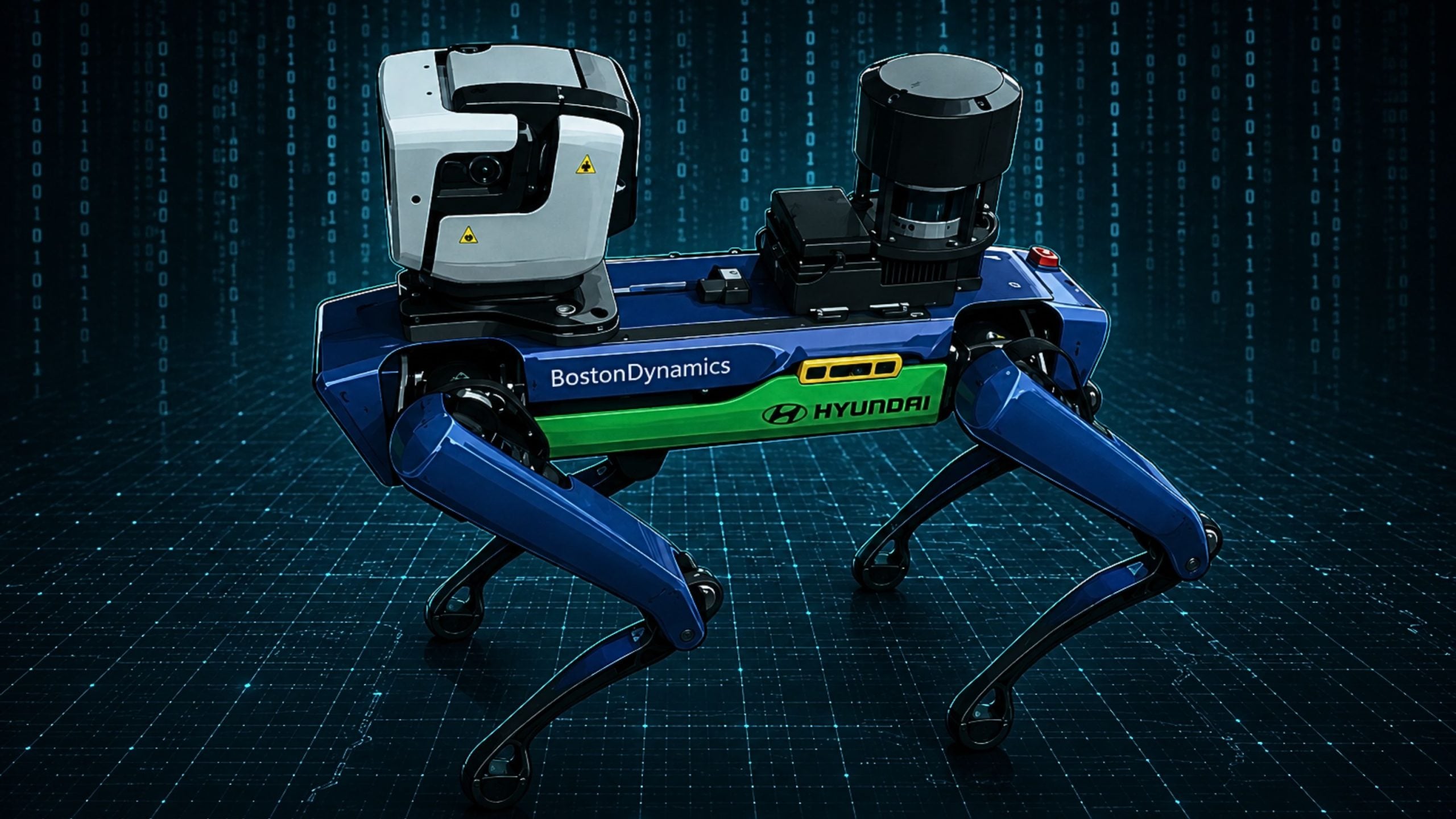
Boston Dynamics’ Spot robots will roam the perimeters of US World Cup venues this summer and they arrive dressed as entertainment. The four-legged machines tilt their heads, perform little dances for the cameras, and pose for selfies with a crowd expected to pass half a million.
Under the choreography sits a mobile sensor package that records far more than any fan walking past will realize.
Every Spot carries 360-degree cameras, thermal sensors, acoustic pickups, and AI anomaly detection, and it streams what it captures back to human teams in real time.
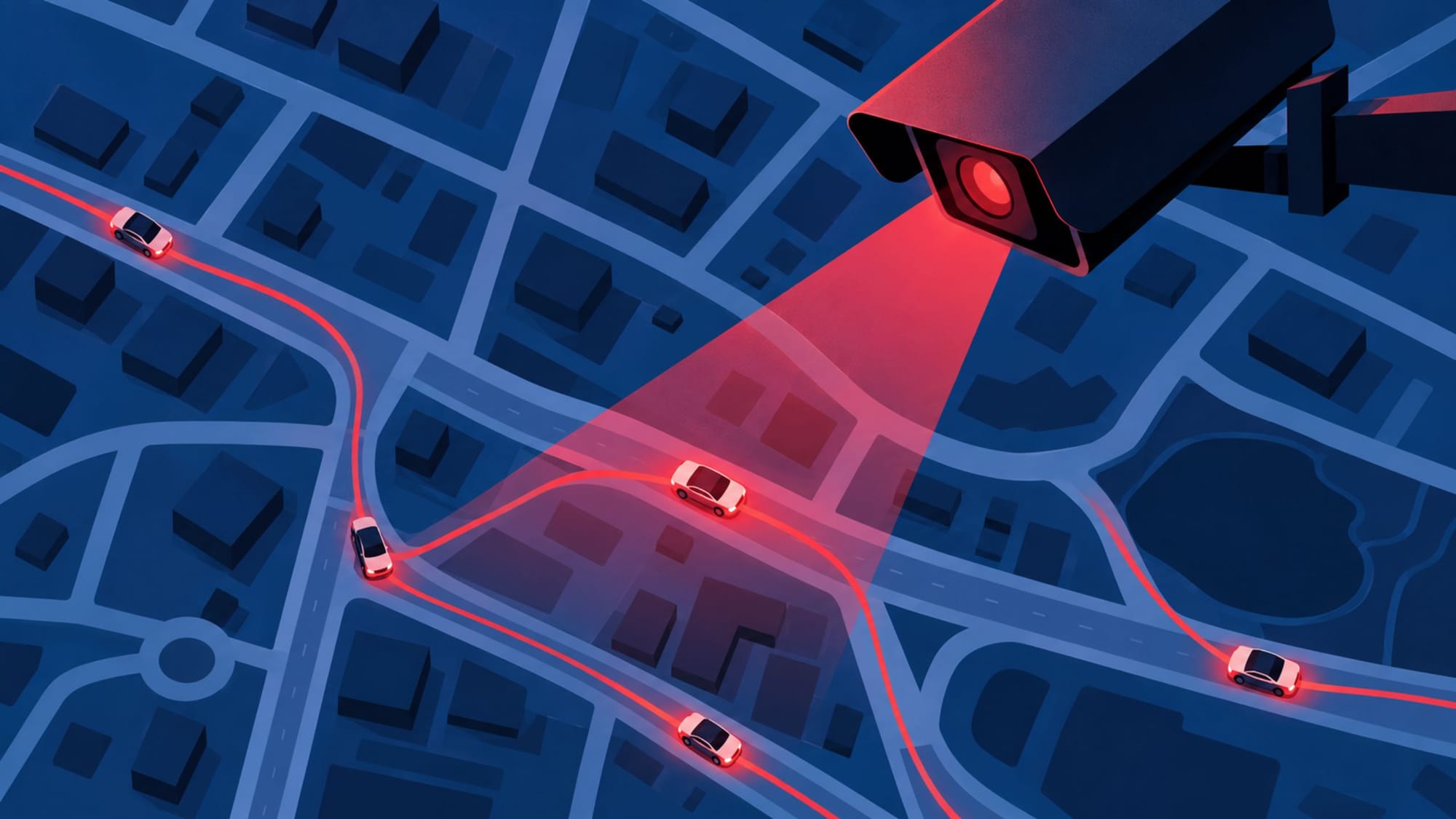
That payload turns a stadium walkway into a continuously recorded zone, where your face, your body heat, your voice and your movement all become data the moment you cross the cordon. The robots are rolling out at AT&T Stadium in Dallas and other FIFA sites ahead of the 2026 tournament.
More: The Olympics Is a Testing Ground for Pre-Crime-Style Mass Surveillance
Boston Dynamics describes the work in soothing terms. The machines “will be used to assist security personnel with investigating things like suspicious packages or other potentially hazardous materials,” the company said.
Hyundai, the South Korean automaker that owns Boston Dynamics and sponsors FIFA, said the bots “will support on-site security operations, helping contribute to a safer tournament environment.” Neither statement says what happens to the footage after the package gets checked, how long the feeds live in storage, or who beyond the security team can pull them up later.
After a viral TikTok video claimed the dogs could identify faces, a Boston Dynamics spokesperson told WFAA that “the robots do not have facial recognition capabilities,” saying they flag unauthorized people in restricted zones without facial scans for now.
A robot that already sees in every direction, senses heat, and runs anomaly detection is a face-recognition system waiting on a software update. Off-the-shelf AI can add that capability through a settings change rather than a hardware rebuild, so the denial describes today’s configuration and nothing past it.
These robots are not autonomous. Human operators sit at consoles, watching the live feeds and deciding when to sound an alarm or call police.
The same platform already works outside the stadium. Security dogs patrol apartment complexes and parking lots in Atlanta, issuing spoken commands to residents and calling in officers even after people comply.
Reporting around those deployments suggests some operators sit far from the people they watch, possibly overseas, though no company has confirmed where the eyes behind the feed are based. The privacy problem holds either way. You cannot see who is watching you and you have no way to know what they keep.
The stadium presents this as a one-off for a big event. The hardware says otherwise. The same quadruped that dances for World Cup selfies has been militarized abroad, with footage from China showing armed robot units built to coordinate through a shared control system.
The cute version and the lethal version run on the same mobility and sensing platform. What separates them is software and intent, both of which change fast.
Securing a 500,000-person tournament is a real logistical problem, and cameras at a venue are nothing new. Persistent, mobile, multi-sensor recording of every attendee, streamed to unknown operators and stored for an undisclosed period, goes well past checking for suspicious packages. A bag inspection does not require thermal imaging of the crowd or acoustic capture of conversations near the cordon. The robots gather that data because they can, not because the task demands it.
When the tournament ends, the machines do not retire. Once a dancing robot recording your biometrics reads as normal at a soccer match, the same platform reads as normal patrolling a mall, a transit station, or a city street, with the recording running the whole time.