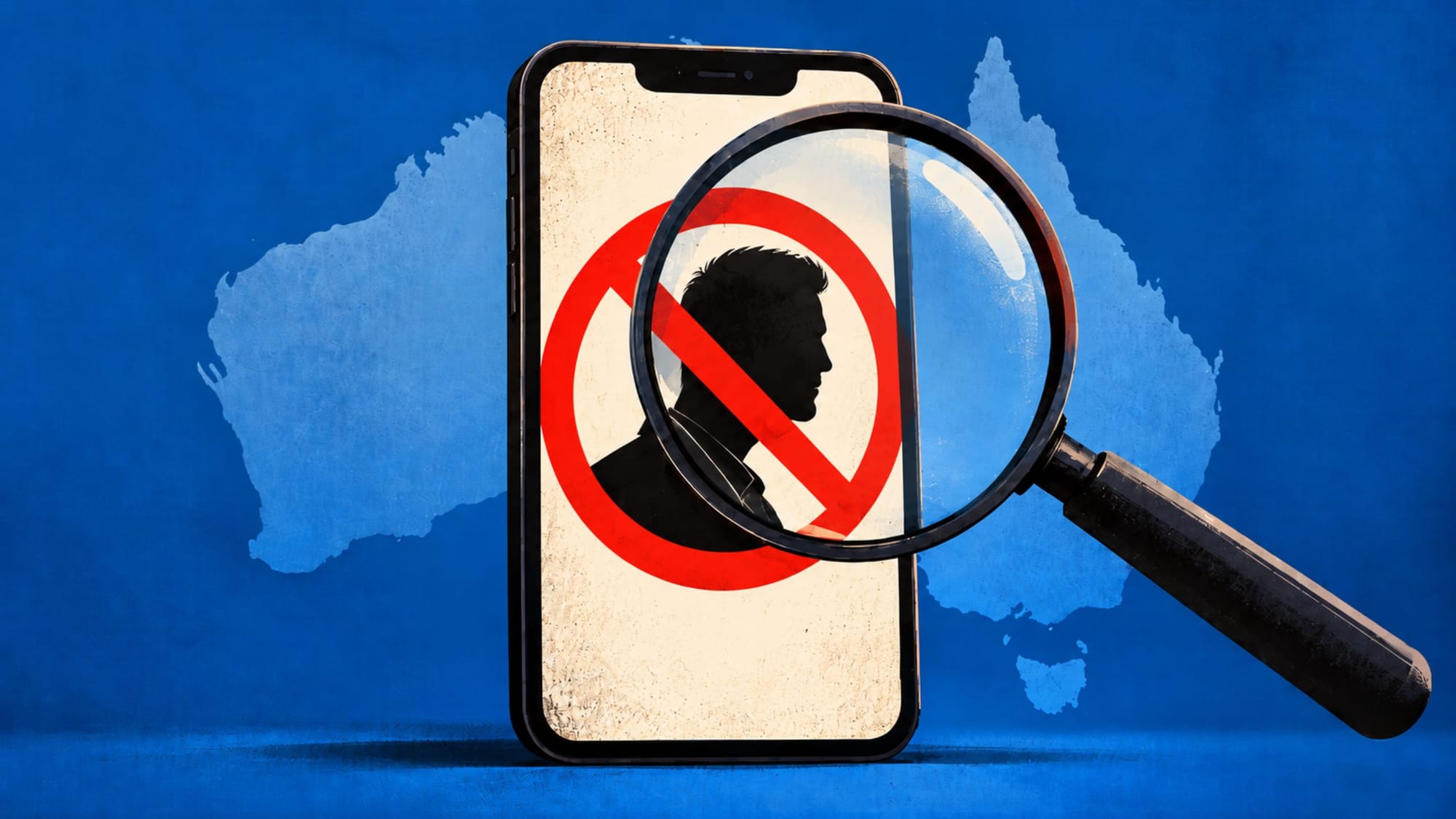
California is once again trying to set a nationwide trend – this time with a bill that opponents say is the US state's Democrats' attempt to "criminalize investigative journalism."
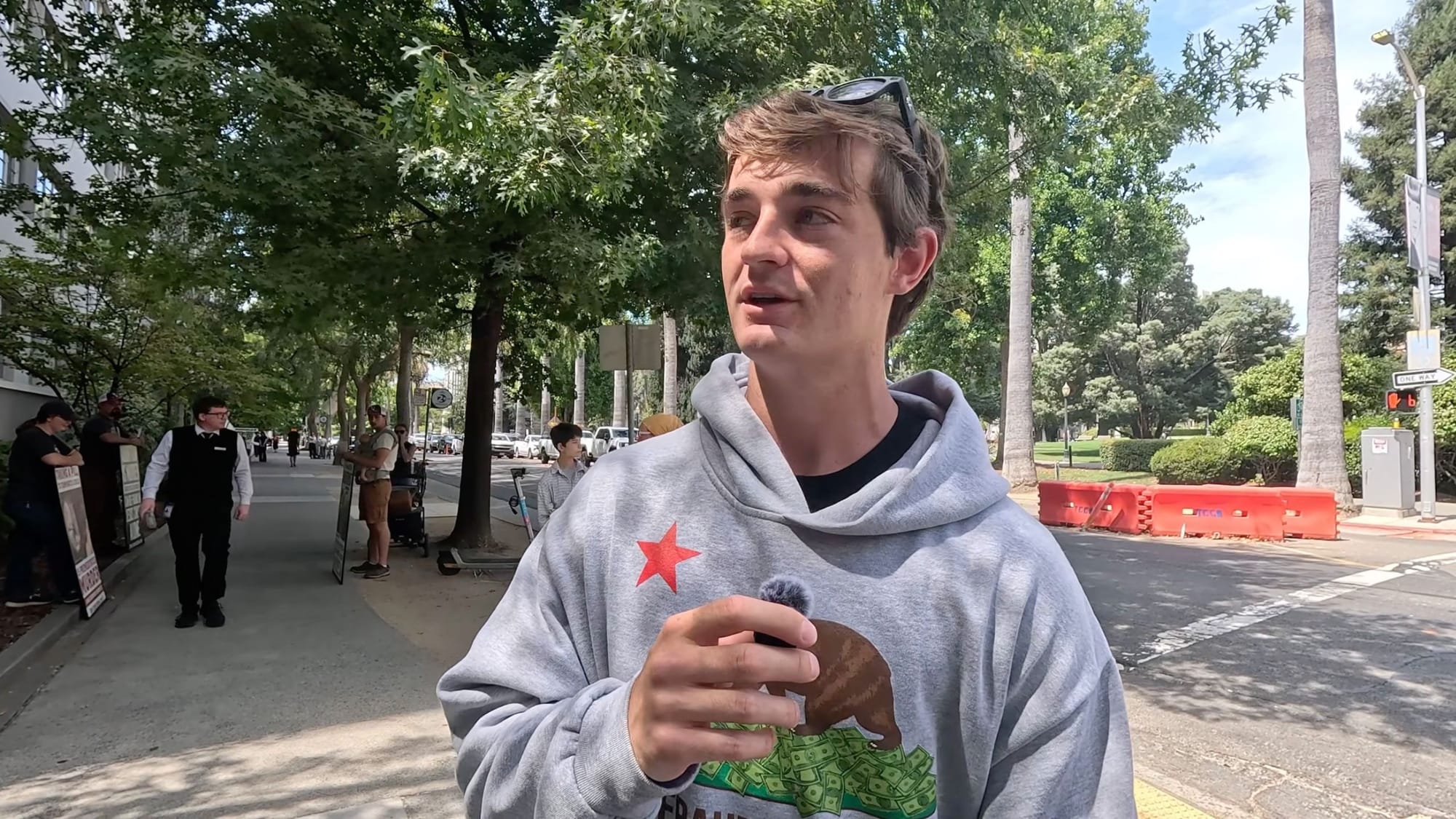
The California Senate has just passed the "Stop Nick Shirley Act" – colloquially named after the investigative video creator who has been making waves with his reports about massive fraud involving daycares in Minnesota.
Nick Shirley's videos, in which he visits empty buildings that are supposed to be daycares, have had millions of views on X and other social media platforms. He documented over $110 million in alleged fraud in that business.
In California, the bill, that has been in the works for months, was first introduced by Democrat Assemblywoman Mia Bonta, and is now one step closer from becoming law, pending the signature of Governor Gavin Newsom.
It's officially a "privacy" law, but one that will allow employees and volunteers at organizations providing services to immigrants to have their images and personal information deleted from the internet. The demand, that doesn't need to be approved by a court or accompanied by a police report, will be valid for four years – even if the person leaves the organization.
The "right" to have content removed will be available to those providing legal representation, advocacy, case management, humanitarian relief, translation, counseling, and healthcare to immigrants. The bill also sets up an address confidentiality program for this group, modeled on the state's Safe at Home program.
The organizations in question will be able to claim "reasonable fear" and have content removed, and the person who posted it will face civil and criminal liability, including a $10,000 fine and imprisonment.
Opponents, such as Assemblymember Carl DeMaio, see it as a way to "intimidate citizen watchdog journalists and protect waste and fraud happening in far-Left-wing NGOs."
DeMaio said the bill "would allow activists and taxpayer-funded organizations to demand the removal of video evidence — even if it captures misconduct in plain view."
Nick Shirley, meanwhile, wrote on X that California was trying to "criminalize investigative journalism with misdemeanors, $10,000 fines, imprisonment, and content takedown."
The bill has been criticized as allowing prior restraint and as having no exemption for journalists. It now needs to go back to the Assembly for a final vote, before it lands on Newsom's desk.