
Roblox Introduces AI System That Rewrites Users’ Chat Messages in Real Time
The message that leaves your keyboard is not the message that arrives.

The message that leaves your keyboard is not the message that arrives.

The same government that already bars under-16s from social media is now coming for AI chatbots, app stores, and search engines.

The bills arrive dressed as child protection but leave behind a mandate to build the largest ID grab in American consumer history.

The law was written before the missiles arrived, but its timing couldn’t be more useful for a government that would prefer its residents experience a war only through official channels.

The consultation closes in May, but Parliament already handed ministers the power to act in February.

A sarcastic joke is now the centerpiece of a First Amendment case that could add to precedent about how members of Congress use their official social media accounts.

The people who spent their careers building the security systems governments want to exploit for age verification have finally had enough.

The AI era’s defining feature isn’t intelligence; it’s installation without asking.

Virginia set the government as the default gatekeeper of how long children can read, watch, and talk online, and a federal judge found that unconstitutional before the law ever took effect.

In a different timeline, wiring an age-surveillance layer into the boot sequence of every computing device in California is an idea that would have died in committee.

Simons was accused of running a thinktank dedicated to fighting “disinformation,” then used a government intelligence body to spread it.

The launch puts a swipeable, short-form feed on every major platform just as TikTok’s year of turbulence has left creators actively looking for somewhere else to go.

The man who called gender ideology education “child abuse” now owes $750,000 for saying so; not in a courtroom, but in a quasi-judicial hearing where no jury decided and no criminal standard applied.

Google is turning sideloading from a right into a permission slip, and the open-source community has until September to convince it otherwise.

The screen Apple called an “error” revealed exactly how the company plans to use your credit history, account age, and payment data to decide what you’re allowed to download.

The SPD is selling this as child protection, but the architecture they’re building looks a lot more like a checkpoint than a parental control.

The man who outlasted a French arrest now faces a Russian prison threat from the country he left behind two decades ago.

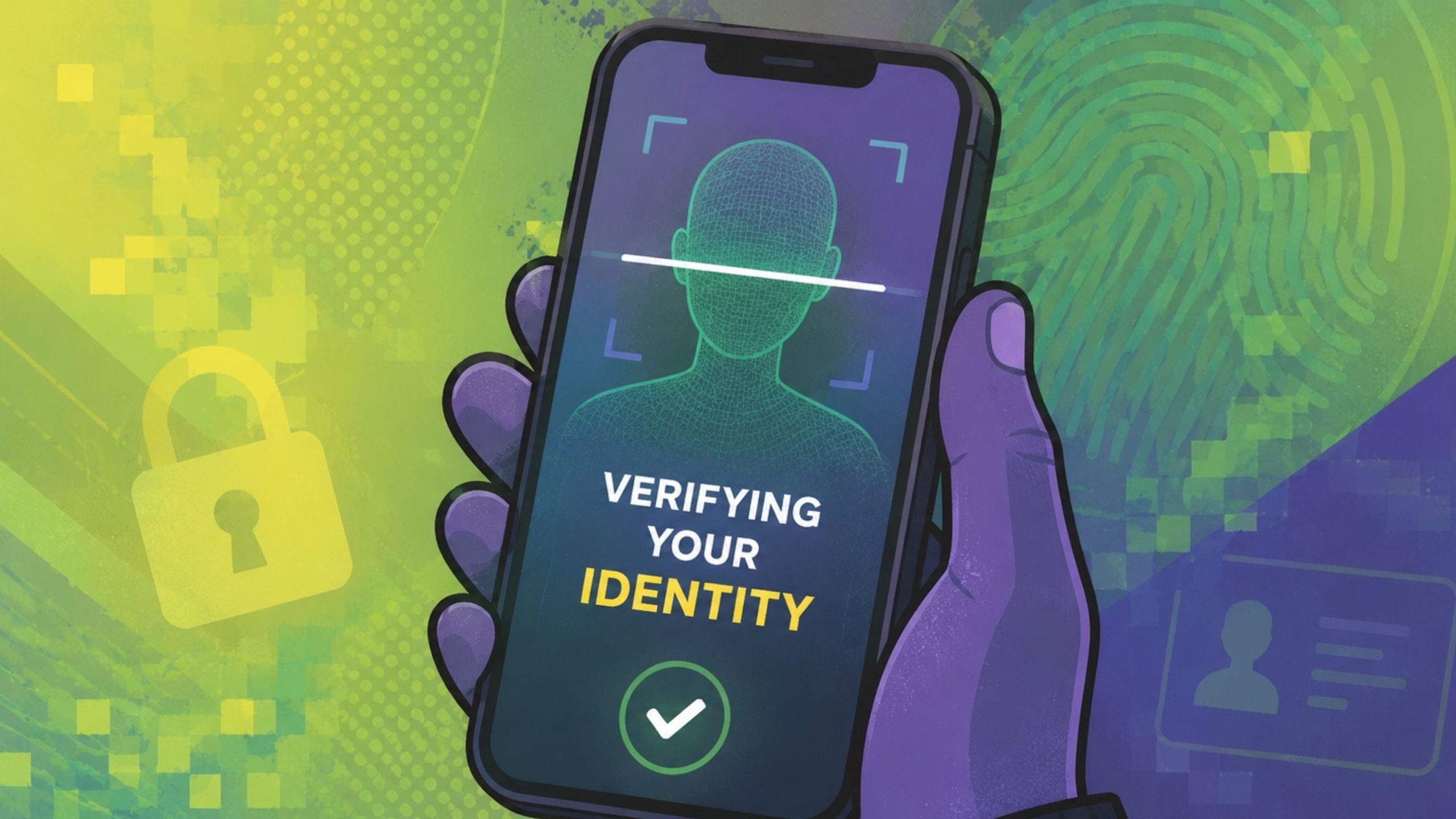
Reddit’s fix for protecting children’s data requires adults to hand their face and government ID to a third-party system that runs 269 verification checks per person.

The false advertising angle is LA County’s way around the First Amendment maze; not “did Roblox harm children?” but “did Roblox lie about it?” – a question courts are far more comfortable answering.

The UK’s age verification mandate arrived as promised, and Xbox delivered it by ejecting players mid-session, stripping away chat, and treating 18-year account holders like suspicious strangers.

Macron is asking Washington to welcome back the architect of the law that got X fined.

Colorado’s OS-level age verification bill sidesteps the failures that killed its predecessors by making Apple and Google do the heavy lifting and outsourcing the problem to a more powerful set of defendants.

The governor who couldn’t bring himself to say “put the phones down” at his own daughter’s party is now asking the state to say it for every family in California.

No outside arbiter, no independent review, no appeal before the fine lands; just the Commission, its definitions, and a $140 million bill. X is pushing back.

The message that leaves your keyboard is not the message that arrives.

The same government that already bars under-16s from social media is now coming for AI chatbots, app stores, and search engines.

The bills arrive dressed as child protection but leave behind a mandate to build the largest ID grab in American consumer history.

The law was written before the missiles arrived, but its timing couldn’t be more useful for a government that would prefer its residents experience a war only through official channels.

The consultation closes in May, but Parliament already handed ministers the power to act in February.

A sarcastic joke is now the centerpiece of a First Amendment case that could add to precedent about how members of Congress use their official social media accounts.

The people who spent their careers building the security systems governments want to exploit for age verification have finally had enough.

The AI era’s defining feature isn’t intelligence; it’s installation without asking.

Virginia set the government as the default gatekeeper of how long children can read, watch, and talk online, and a federal judge found that unconstitutional before the law ever took effect.

In a different timeline, wiring an age-surveillance layer into the boot sequence of every computing device in California is an idea that would have died in committee.

Simons was accused of running a thinktank dedicated to fighting “disinformation,” then used a government intelligence body to spread it.

The launch puts a swipeable, short-form feed on every major platform just as TikTok’s year of turbulence has left creators actively looking for somewhere else to go.

The man who called gender ideology education “child abuse” now owes $750,000 for saying so; not in a courtroom, but in a quasi-judicial hearing where no jury decided and no criminal standard applied.

Google is turning sideloading from a right into a permission slip, and the open-source community has until September to convince it otherwise.

The screen Apple called an “error” revealed exactly how the company plans to use your credit history, account age, and payment data to decide what you’re allowed to download.

The SPD is selling this as child protection, but the architecture they’re building looks a lot more like a checkpoint than a parental control.

The man who outlasted a French arrest now faces a Russian prison threat from the country he left behind two decades ago.

Reddit’s fix for protecting children’s data requires adults to hand their face and government ID to a third-party system that runs 269 verification checks per person.

The false advertising angle is LA County’s way around the First Amendment maze; not “did Roblox harm children?” but “did Roblox lie about it?” – a question courts are far more comfortable answering.

The UK’s age verification mandate arrived as promised, and Xbox delivered it by ejecting players mid-session, stripping away chat, and treating 18-year account holders like suspicious strangers.

Macron is asking Washington to welcome back the architect of the law that got X fined.

Colorado’s OS-level age verification bill sidesteps the failures that killed its predecessors by making Apple and Google do the heavy lifting and outsourcing the problem to a more powerful set of defendants.

The governor who couldn’t bring himself to say “put the phones down” at his own daughter’s party is now asking the state to say it for every family in California.

No outside arbiter, no independent review, no appeal before the fine lands; just the Commission, its definitions, and a $140 million bill. X is pushing back.