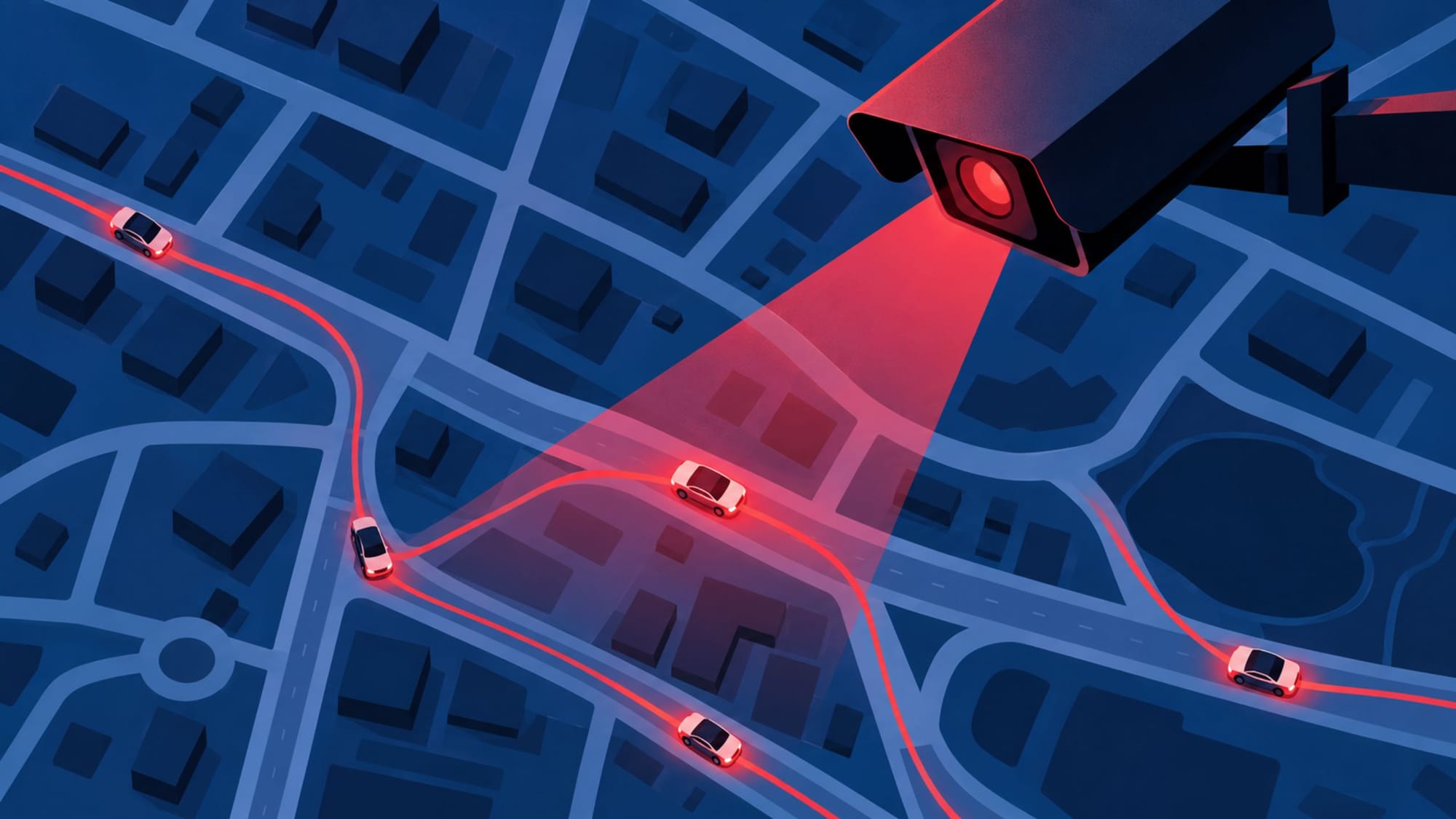
An anonymous Canadian man has sued DHS Secretary Markwayne Mullin to stop the US government from forcing Google to disclose his real name, physical location, movement history, browsing records, and private communications.
The lawsuit, brought by the ACLU’s D.C. and Northern California branches, asks a federal court to invalidate the administrative summons DHS sent to Google and to block the agency from using customs enforcement powers to unmask online speech.
We obtained a copy of the complaint for you here.
The summons cites Section 1509 of the Tariff Act of 1930, a statute written to investigate import duties and customs fraud. Doe lives in Canada, hasn’t entered the US since 2015, and doesn’t do business with anyone in America.
DHS issued the summons on February 14, 2026, demanding “[a]ll records and other information” tied to the Gmail address linked to Doe’s X account, covering September 2025 through February 2026.
That window includes the period after federal agents killed Renee Good and Alex Pretti in Minneapolis, which prompted Doe’s sharpest posts. No judge reviewed the summons and no court approved it. DHS gave itself permission to demand a foreign citizen’s digital footprint because he tagged government officials in posts they found embarrassing.
More: Secret Grand Jury Convened to Unmask Anonymous Government Critic on Reddit
Google hasn’t complied but the company “has made clear that it cannot promise to hold out forever.” The lawsuit separates itself from three earlier ACLU challenges where DHS withdrew its subpoenas before a judge could rule, a pattern that looks like an agency that knows it would lose but keeps trying. This time, the ACLU is asking the court to set a precedent, not just block a single summons.
“I have long admired the United States for its commitment to free speech,” Doe said. “Never in a million years did I think that, after criticizing the U.S. government, I would be targeted with a summons seeking to find out who I am, where I live, where I go, and what I read online. You don’t have to be from America to know that this is un-American.”
The question is whether a judge will finally rule on the legality, or whether DHS will withdraw the summons again, wait for attention to fade, and send the next one.