A nonprofit that supports online speech restrictions is suing the Trump administration for sanctioning people who pushed platforms to delete speech. The case landed in a D.C. courtroom on Wednesday and the irony runs deep.
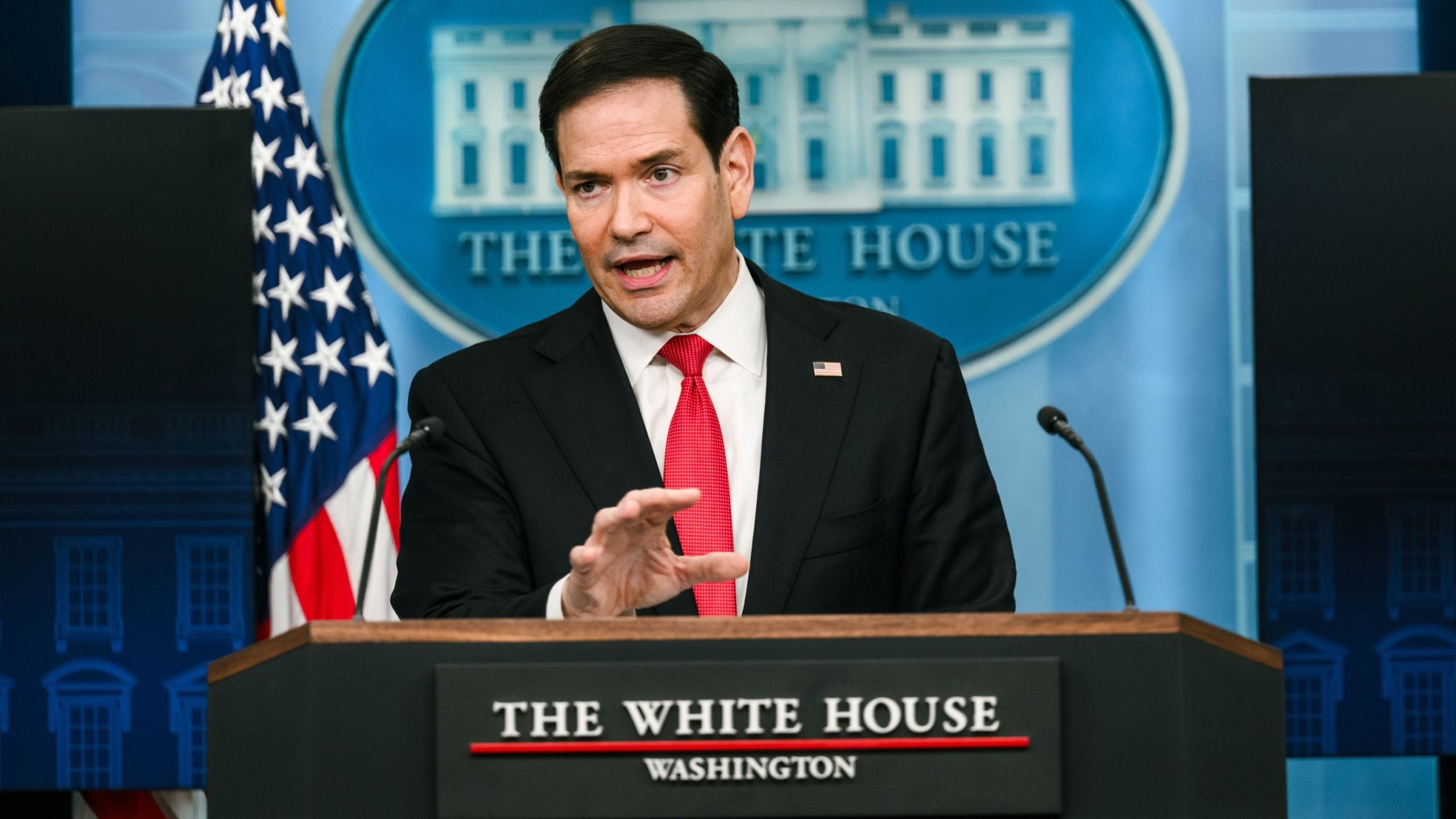
The Coalition for Independent Technology Research (CITR) wants a federal judge to block a State Department visa policy announced by Secretary of State Marco Rubio in May 2025.
The policy allows the US to deny entry, revoke visas, or deport foreign nationals the government considers “complicit in censoring Americans.”
CITR filed for a preliminary injunction, and Chief Judge James Boasberg heard oral arguments on May 13 in Coalition for Independent Technology Research v. Rubio.
The five people sanctioned under this policy in December 2025 are not random academics. Thierry Breton helped build the EU’s Digital Services Act, which compels American tech companies to delete speech Europeans find objectionable.
Imran Ahmed runs the Center for Countering Digital Hate, which has campaigned to get accounts banned from platforms.
Clare Melford runs the Global Disinformation Index, which compiled advertiser blacklists to financially punish news outlets it decided were spreading “disinformation.”
Josephine Ballon and Anna-Lena von Hodenberg co-founded HateAid, a German group pushing legal action against speech it calls “digital violence.”
Rubio accused them of leading “organized efforts to coerce American platforms to censor, demonetize, and suppress American viewpoints they oppose.”
CITR’s attorney Carrie DeCell argued that “the government is subjecting CITR members and other non-citizens to exclusion, detention and deportation simply for reporting on speech on social media and the harms that might arise from it, and advocating for different content moderation policies and other policies that might govern internet platforms.”
She called the policy “expansive and incredibly vague, and the chilling effects are correspondingly enormous.”
The government’s lawyer, Zack Lindsey, told Boasberg the sanctioned individuals had worked for or with foreign governments, making their actions, not their words, the relevant factor.
Boasberg called it “quite a complex case” and hasn’t ruled yet. DeCell said she hopes for a preliminary injunction within weeks.
The effect CITR describes could be real. Researchers may self-censor and academics may avoid public engagement.
But CITR refuses to acknowledge a basic fact about the people it’s defending. They were not sanctioned for having ideas. They were sanctioned for building systems designed to silence other people’s ideas.
Some ran campaigns to get specific content banned. The Global Disinformation Index created blacklists that cut revenue to outlets based on editorial positions the organization itself judged.
The Digital Services Act gave European regulators the power to force American companies to delete content that is entirely legal.
The people who spent years arguing that deplatforming is not censorship now argue that being denied a visa is. The people who built blacklists are shocked to find themselves on one.
Whether Rubio’s policy is constitutional is a legitimate legal question and Boasberg will answer it. But a court evaluating whether these individuals deserve protection should also consider what they did with their own power when they had it and who they silenced along the way.