The digital ID age verification agenda has landed in Canada. Google has announced it is introducing age verification in Canada. Google Canada’s government-affairs and public-policy director Jeanette Patell announced on September 14 that the rollout will happen over the coming days.
Google will use machine learning to surveil users and estimate whether an account holder is over or under 18, using “signals” from data already gathered and tied to that account, such as “the types of information a user has searched for” and “the categories of videos they’ve watched on YouTube.”
The announcement post by Patell is filled with references to protecting children, but also reveals that the model may produce false positives, i.e., classify an adult as a minor.
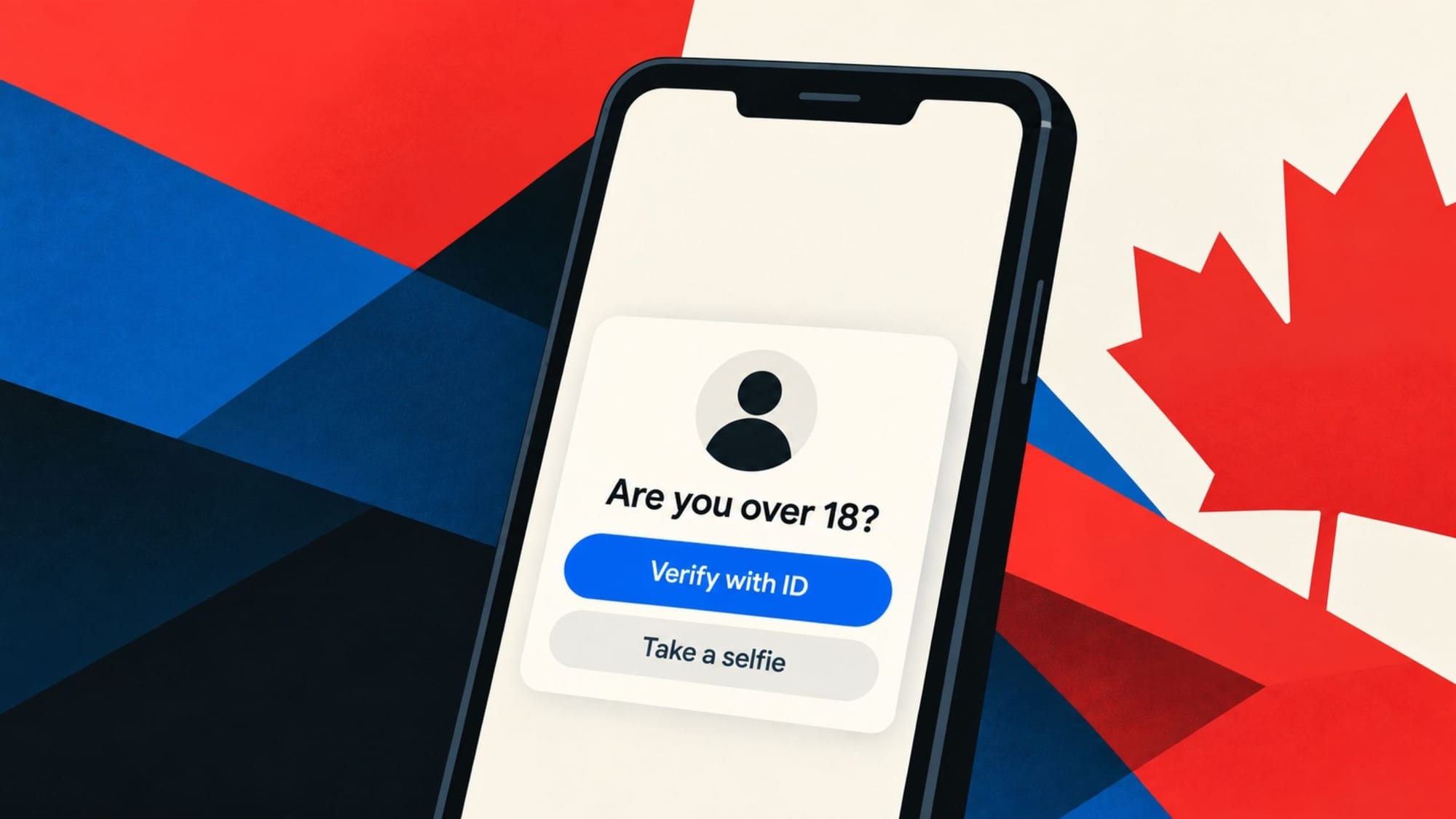
Such a user can provide a government ID or a selfie to correct the estimate.
As for why an adult would want to “correct” their classification, it turns out that if they don’t, they will be treated like a child by Google.
According to the announcement, those who are “likely” under 18 will get YouTube Digital Wellbeing reminders to take a break and go to bed, as well as “safeguards” that limit repetitive viewing of some categories.
“Disabling Timeline in Maps” is also listed among the changes that will be imposed on those who don’t prove their age, as is disabling of personalized advertising, and restricting of age-sensitive advertising categories.
On Google Play, access to adult-restricted apps will be blocked. It’s unclear how many adults in Canada will be affected by this and want to “correct” their age, but this is the process: they will be notified via email and in-product notices and will then be able to upload a photo ID or take a selfie to prove they are over 18.