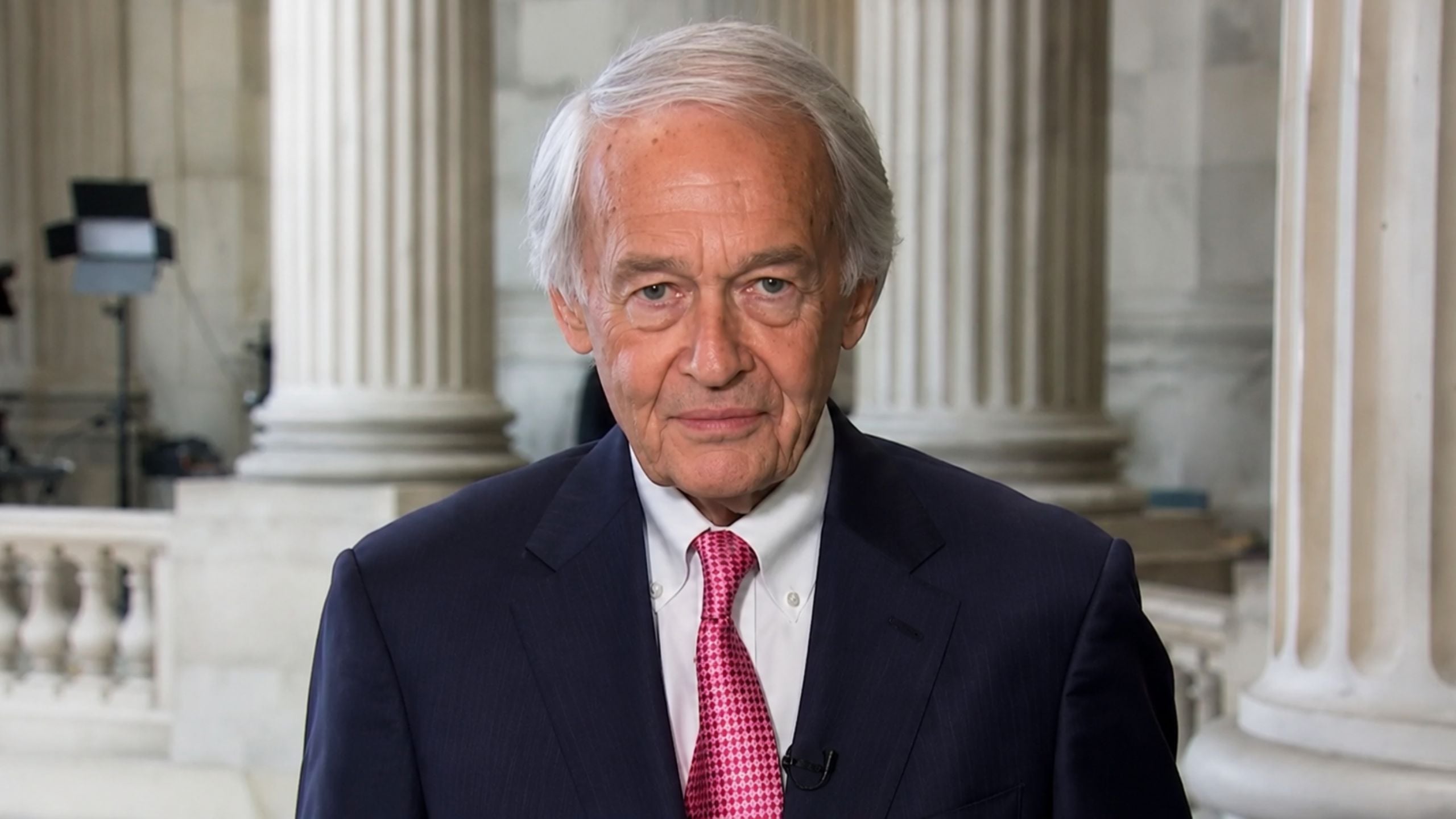
Senator Ed Markey wants to take power back from Big Tech but his plan runs through your driver’s license.
The Massachusetts Democrat rolled out what he calls an “AI Accountability Agenda” on July 10, close to a dozen bills bundled under the slogan “Taking Power Back from Big Tech.”
He says he wants to “take back unchecked power from Big Tech and put it into the hands of the American people.” Two bills in the stack push the other way. They move the internet toward a place where you prove your age before you read a page or say anything on it.
The clearest version sits inside the Children and Teens’ Online Privacy Protection Act, the update Markey brands COPPA 2.0.
It lifts the age of a protected user from under 13 to under 17, then rewrites the rule that decides when a company is liable. Current law kicks in once a service has actual knowledge it is dealing with a child. The new text trades that for “knowledge fairly implied on the basis of objective circumstances,” which the bill defines as “whether a reasonable and prudent person under the circumstances would have known that the user is a child or teen.”
Follow what that does to an ordinary website. A general-audience service now has to judge whether some hypothetical reasonable person would have figured out that a visitor was under 17.
If you guess wrong, the Federal Trade Commission can enforce against you. The cheapest way to stop guessing is to card everyone at the door.
Supporters will point out that the bill never orders anyone to build an age gate. That is true but it is also beside the point, because the wording of the bill calls for the same thing in a roundabout way.
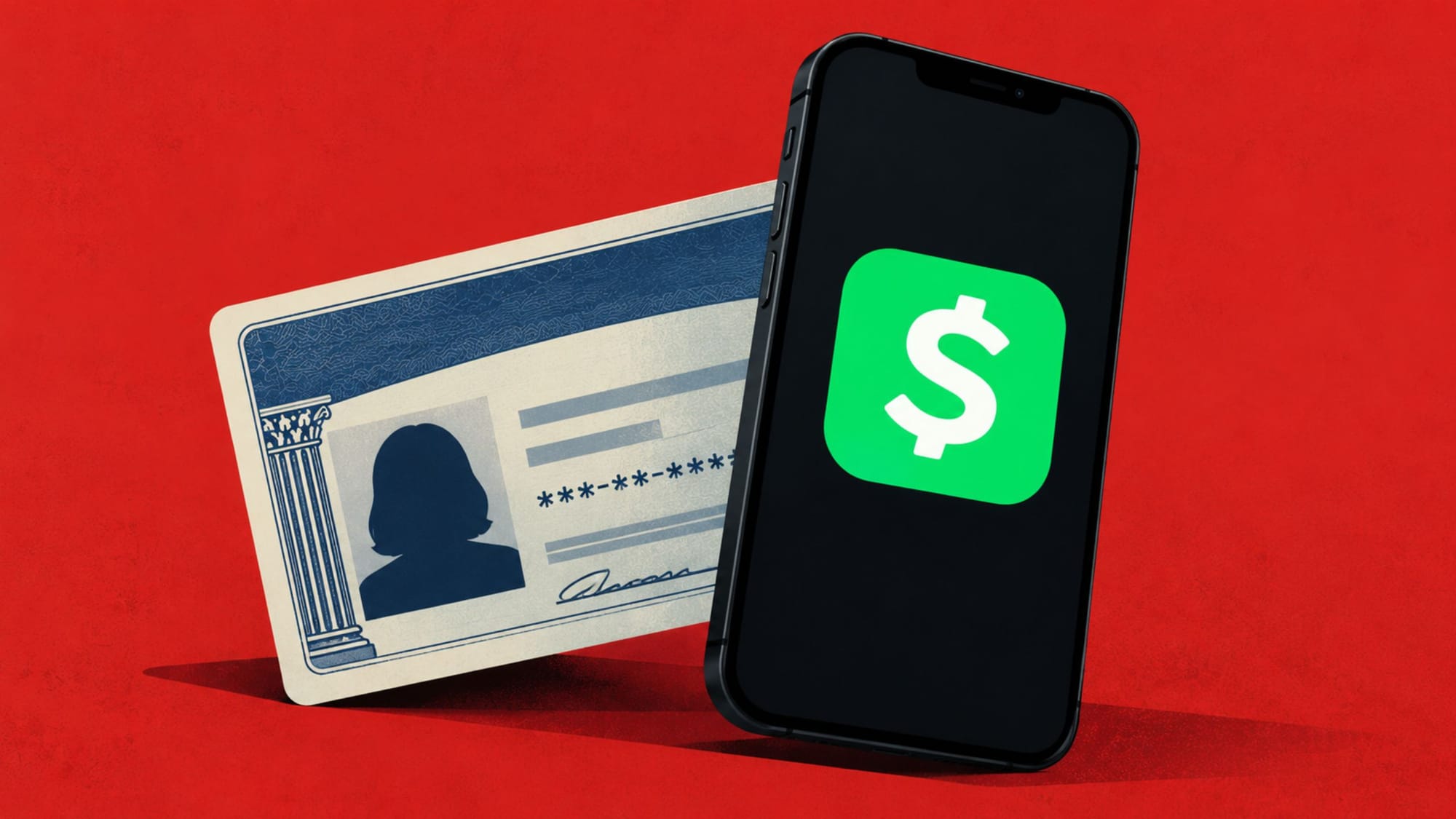
An age gate does not check a box and disappear. It collects. To prove you are not a minor, you hand over a government document or a face scan, and some vendor keeps a copy.
Every one of those copies is a breach waiting to happen and a phishing lure with a government seal on it. The bigger cost is the one the sponsors skip past. Age gates are a speech problem. They stand between a reader and everyone else’s expression, and they turn speaking up into a chore rather than a reflex.
Nothing on the market verifies age both accurately and privately. You get one or the other. The children the bill names get swept into the same ID logs as everyone else.
The second bill carries the contradiction inside its own text. The Youth AI Privacy Act says nothing in it requires an operator to “implement an age gating or age verification functionality,” or to “affirmatively collect any personal information with respect to the age of a child or teen that an operator is not already collecting in the normal course of business.”
The same bill then imports the identical “knowledge fairly implied on the basis of objective circumstances” language that sits at the center of COPPA 2.0. The disclaimer waves the problem away while the liability standard invites it back in.
That bill governs chatbots, and it reaches past age checks into what the software is allowed to do. It targets “addictive design features,” a category the text stretches to cover “high-frequency push notifications” and “typing bubble indicators.” A federal statute would treat the little animated dots that show someone is typing as a design threat to children. It also requires a chatbot to announce that it is not human at the start of a session and every 30 minutes after that.
The slogan says power moves from Big Tech to the people but the login screen details say something else. An adult who wants to read or comment first has to identify himself to a database, and the safest move becomes staying logged out, which is self-censorship arriving before anyone files a complaint. Who decides whether a “reasonable and prudent person” should have known a user’s age? A regulator does, after the fact, with the benefit of hindsight.
Markey has spent the rollout casting himself against the industry, and on the data center and workplace bills he may well be. On these two, the people who lose the most are not the platforms. They are the users who have to prove who they are before they are allowed to speak.