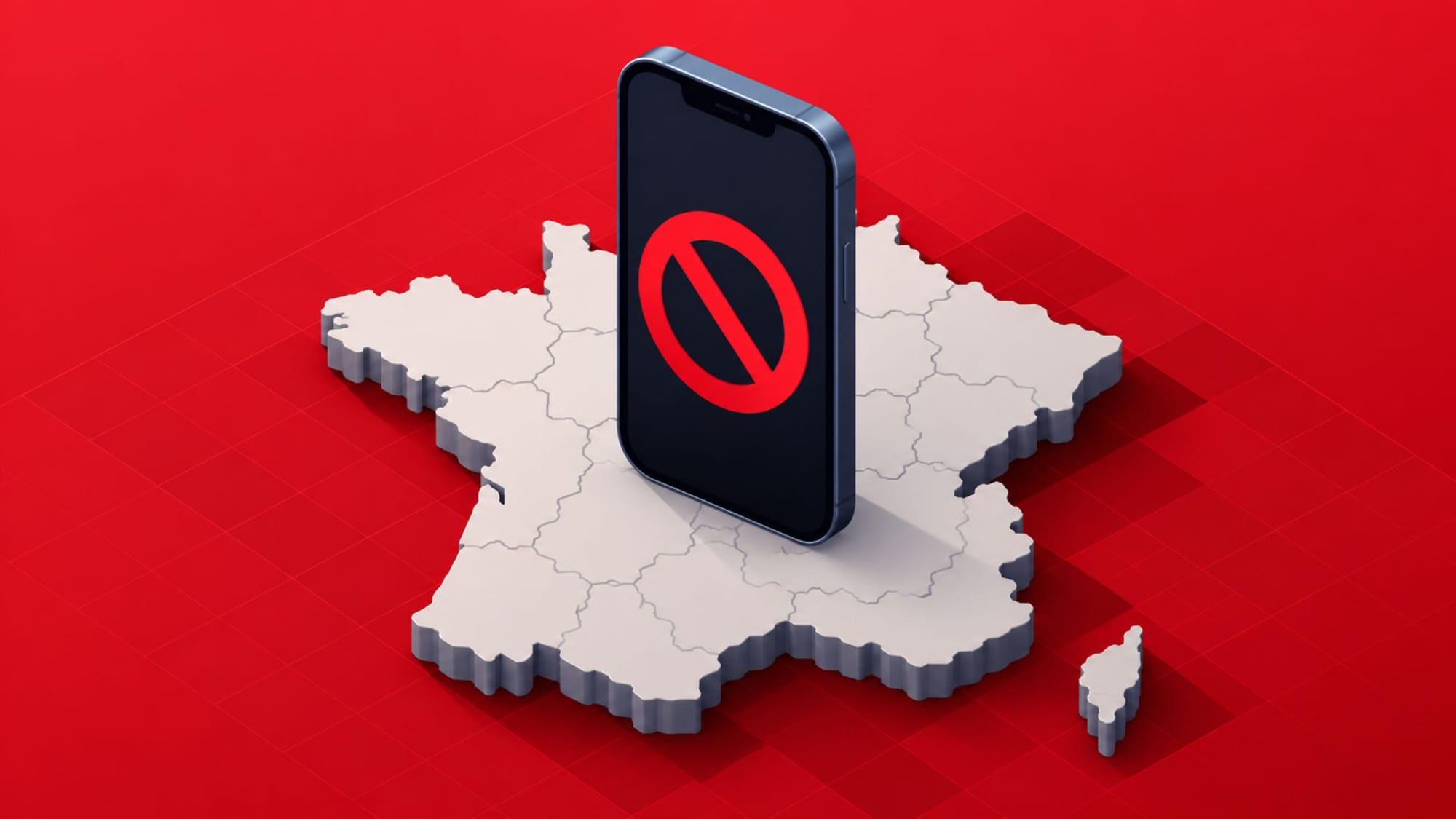

A Swiss non-profit, privacy-first DNS resolver, Quad9, is considering leaving the French market.
A French court case is putting pressure on the organization to either start blocking websites, or pay a huge fine, for ignoring a previous order to that effect.
“There is no legally useful way for us to define a French user,” Quad9 has said in a statement.
The case started when beIN Sports asked a Paris court to stop “piracy” of WTA tennis matches it broadcasts, by blocking 6 domains, and the court in May ordered Google, DNS4EU operator Whalebone, and Quad9 to comply.
Two subsequent updates added 52 more domains to be blocked, but Quad9 has not done it and says it never has. beIN now wants the court to fine Quad9 €10,000 per day per domain, which would add up to €580,000 for all 58.
Quad9’s argument is that it doesn’t collect user data, and therefore can’t identify those in France, while using third parties to do that would be inaccurate and unreliable. Blocking the domains for all users is not an option, the organization said, because it would mean extending French jurisdiction to the whole world.
Another option is to stop serving French users, as OpenDNS did in 2024. OpenDNS was also responding to a French court order to block sites showing pirated content, in that case, of a Canal+ channel. At the time, Quad9 said it would have to block the sites for all users to comply, and appealed.
In July, France’s parliament passed a sports law, allowing the regulator ARCOM to have “suspected” pirate streams blocked in real time, to be reviewed later.
Quad9 says that it is “required by Swiss law to abide by our founding principles of privacy, security, and stability of the internet and how those principles are applied to our user community in a consistent and predictable manner in all areas.”
The court is expected to decide in about three weeks whether to impose the huge fine on Quad9.
Meanwhile, the organization is considering moving out of France. The case is another example of how the war on piracy is producing collateral damage in the form of privacy and internet security. And Quad9 is not the only one affected – the Internet Society has warned that smaller and non-profit operators could be forced out of the market because of the costs of complying with “jurisdiction-specific blocking orders.”