
In Travis County, Texas, a judge has frozen motherless.com, the .com domain of a foreign pornography operator, taking it down worldwide until it posts a $9.14 million bond and builds an age verification digital ID system to the state's own specification.
Kick Online Entertainment is a foreign corporation, and the order admits so, which is the reason the writ went somewhere else. A state court cannot summon a company overseas, but it can order the American firm that keeps the registry of every .com name, and that registry is what makes a domain resolve at all.
We obtained a copy of the order for you here.
The case turns on HB 1181, Texas's age-verification law for adult sites. That firm is Verisign, a nonparty to it, and Judge Maya Guerra Gamble signed the writ of attachment on June 4, 2026, filed four days later in State of Texas v Kick Online Entertainment.
The order directs Verisign to place motherless.com on "a registry lock, hold, or similar status until replevied by Defendant," the legal term for the operator posting a bond to get its domain back.
The domain is frozen rather than taken, though the difference means little here. What Verisign actually applied on was serverHold plus server-level prohibitions on deleting, transferring and updating the name. A hold pulls motherless.com out of the .com zone file, so it resolves for nobody.
Kick must post a bond of $9,140,000, and that bond is "conditioned on Defendant's implementation of age verification that conforms with Texas Civil Practice and Remedies code chapter 129B," together with an affirmation that it will satisfy the civil penalties entered against it on September 30, 2024. A company outside the state's reach is being made to both pay and obey a Texas statute before its property comes back. This is specific performance of a state law, pulled from a foreign operator by holding an asset hostage at the registry.
Among the court's stated reasons the writ is "appropriate and justified" is the finding that "Defendant is not a resident of this state and is a foreign corporation," which turns the state's inability to reach a company into a ground for taking its property.
The order then pre-authorizes more of the same, closing with the line that "as many writs as the State deems necessary shall issue," so the count of future seizures is set by the attorney general and not by a judge weighing each one. And Texas was excused from the security these writs normally demand, because the order says "the State of Texas is not required to post a bond prior to the issuance of the Writ of Attachment."
The party taking the asset posts nothing. The party losing it posts $9.14 million.
A domain lock has no borders. The law reaches only Texas users, yet locking a .com pulls the site down for everyone on earth, including people in countries that never passed such a law, had no say in it and don't see why they have to have Texas law affect their lives. A state remedy has been given global effect only because the registry that happens to hold the record is American.
The site had been offline once already, over graver allegations. Dutch prosecutors took it down in May and opened a criminal case over alleged sexual abuse videos, after the broadcasters NOS and Nieuwsuur found it hosted on Dutch servers. The abuse reporting bureau Offlimits had logged 142 reports on the site this year, 25 of them involving children. Motherless returned about a week later, saying it had strengthened moderation. That takedown reached the site through its host and rested on a criminal case, where the Texas writ reaches it through the registry and rests on an unpaid civil penalty.
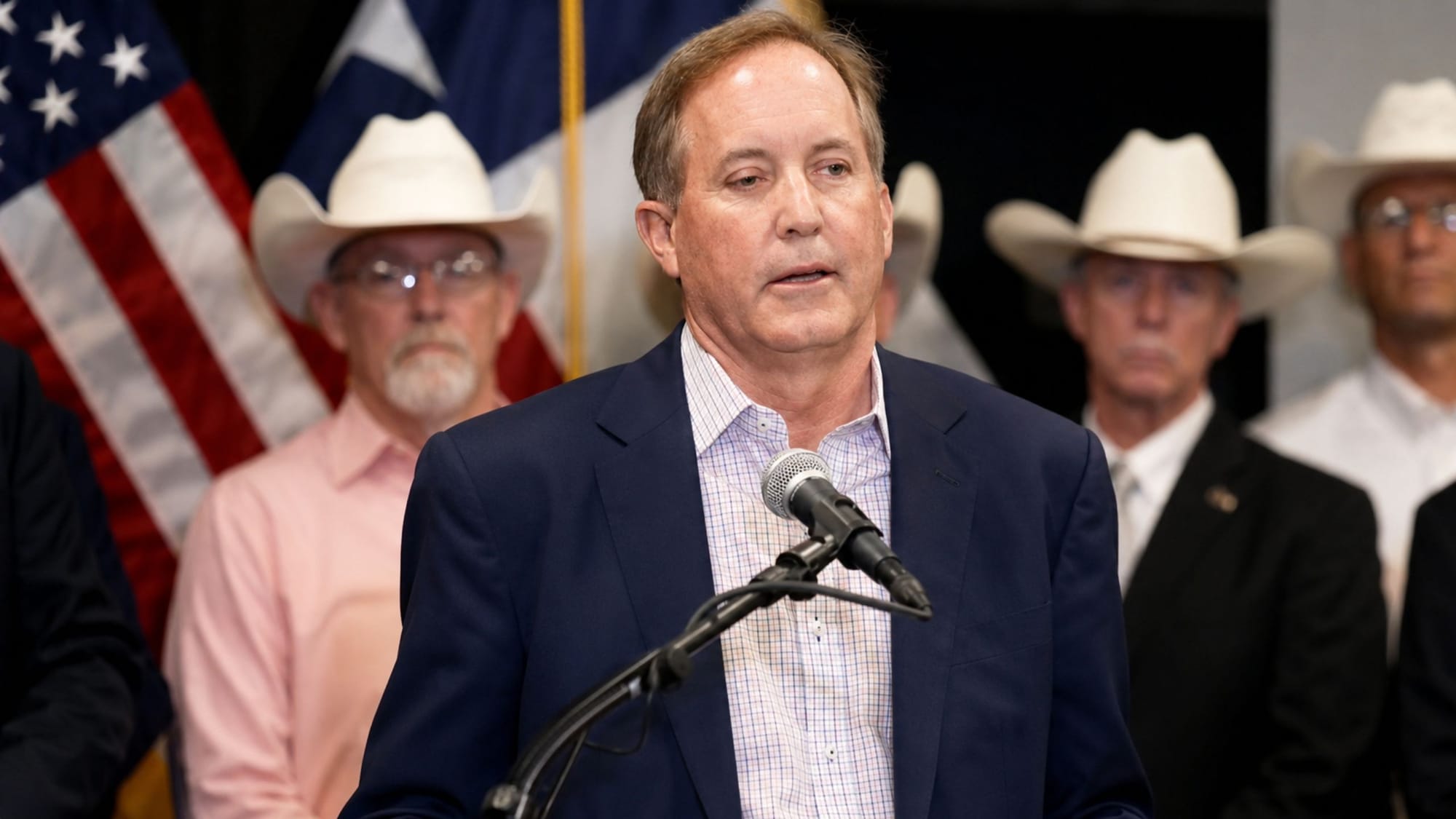
The precedent is what the attorney general wanted, and he says so. Paxton called the order a "huge precedent that websites can be stripped of their domain if they ignore the law and harm children with pornographic content."
His office said the writ "demonstrates that Texas has the legal authority and the proven tools to reach beyond its borders and hold foreign operators accountable" and that the state would use "every available legal mechanism, including writs of attachment against domain names," against any company "regardless of where it is incorporated." Nothing in the order confines the tool to pornography, so any Texas civil penalty against any foreign website is now collectable the same way.
We have previously argued that UK speech regulator Ofcom oversteps when it enforces the UK Online Safety Act against American services with no UK presence, and the same principle is at stake here.
Verisign is American and must obey an American court, so the legal hook is real in a way Ofcom's is not. The objection is not that the order is lawless, but that the .com registry on American soil hands American courts a switch for the whole internet, and a Travis County judge has now thrown it.
Unlike the UK Ofcom case, using American infrastructure, with its supposed First Amendment protections, are of no use here when a Texas judge can order a site taken down for hosting legal content, because it did not introduce digital ID features.
Kick never showed up in court. The company did not contest the suit, the civil penalties were entered by default on September 30, 2024, and no court has weighed Texas's arguments against an opposing party. The statute behind the bond condition, chapter 129B, is HB 1181, which the Supreme Court upheld last year in Free Speech Coalition v Paxton. Gamble's order is a trial court ruling that binds nobody outside this case.