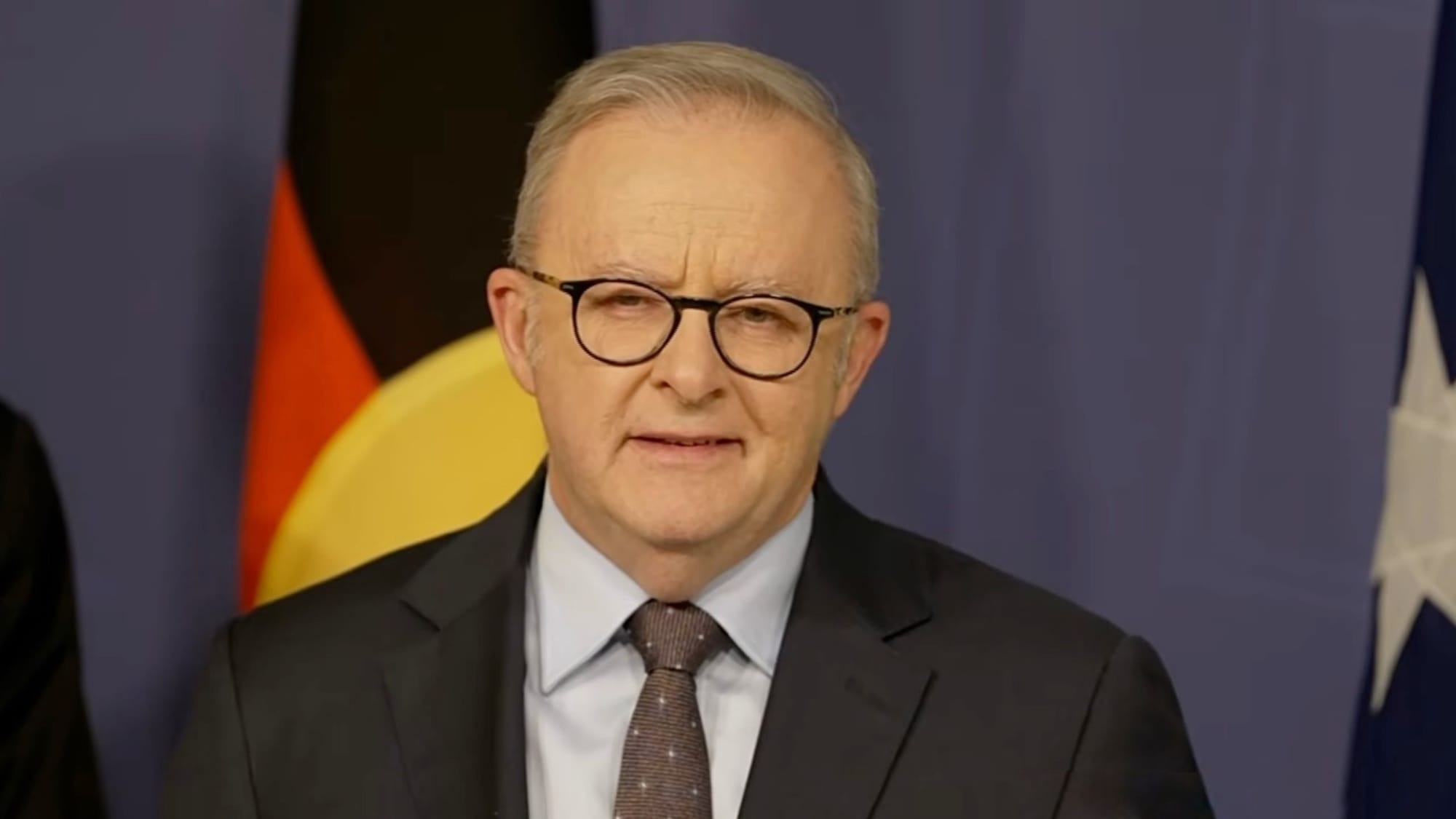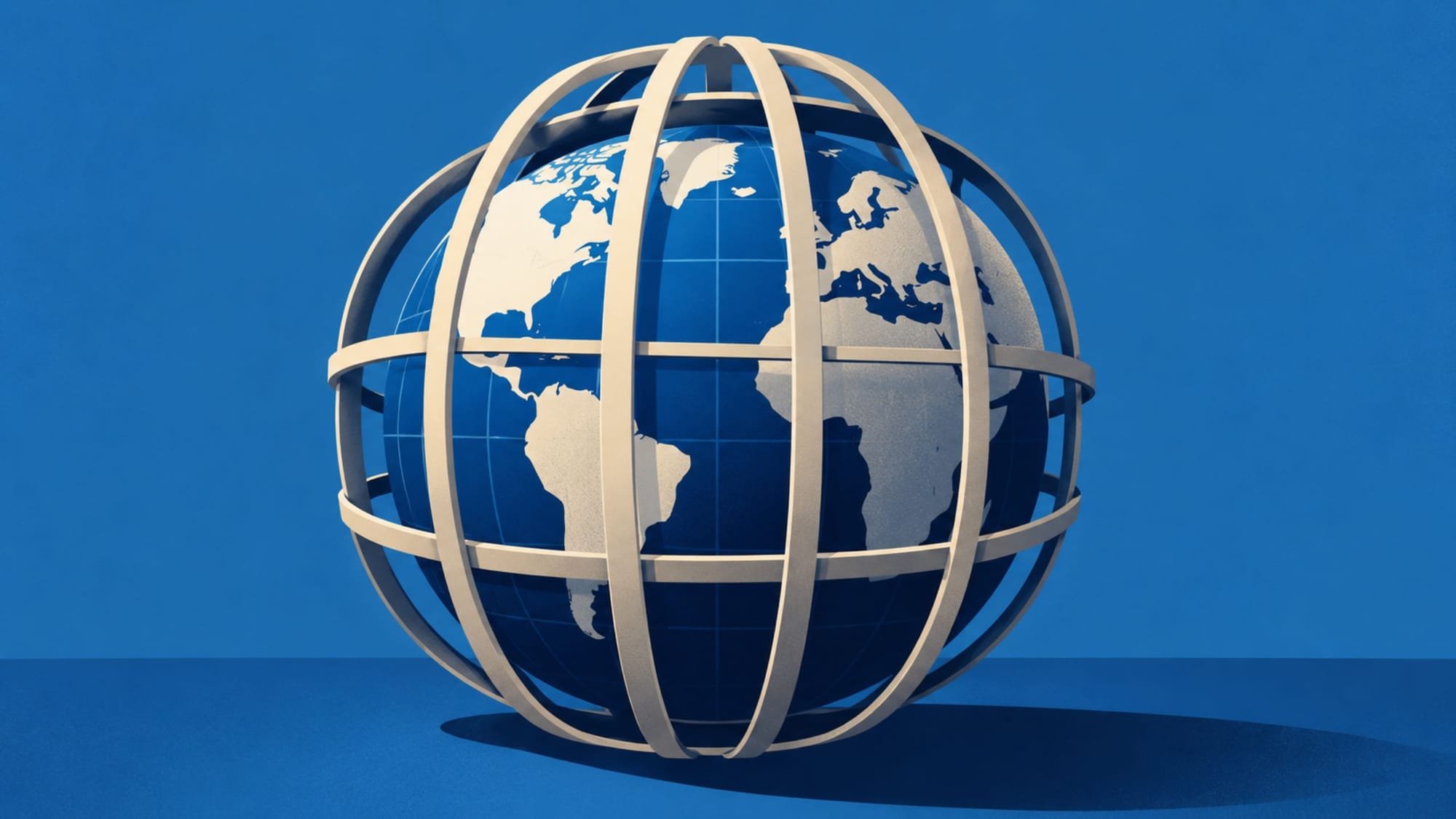
The proposal for an international institution that would have the power to set standards, enable verification, and “convene states when capability thresholds are crossed” is not new; it has been around since at least mid-September when Canada’s Prime Minister Mark Carney first mentioned it.
But it is now gaining momentum, with Carney, along with Norway’s PM Jonas Gahr Store, and Finland’s President Alexander Stubb among those leading the charge. The call, named A Call for Control of Frontier AI Models, was launched by the latter two and has been signed by about 30 leaders, including Carney and France’s Emmanuel Macron.
Stubb, who asked for “as many UN member states as possible to join this initiative,” presented it as a way to make sure that AI development and deployment is safe. The document says that the “rapid development of frontier AI models poses serious risks to safety and security if not appropriately managed.”
The Finnish president then went on to say that “we need multilateralism in order to address our shared agenda, ranging from armed conflicts and climate change to sustainable development and artificial intelligence.”
It speaks of “serious risks” such as AI that circumvents testing safeguards, exploits vulnerabilities, and gains unauthorized access to real-world systems.
“AI must remain under human direction, oversight and control. It must be developed and used in line with international law,” the call reads.
But the UN gathering saw a flurry of meetings and announcements that all seem to be building on the idea of creating a global, supranational authority to control the next wave of software and the next frontier of the internet: AI development and deployment. Stubb, Store, and Carney met on the French archipelago of St. Pierre and Miquelon, and then in New York, at the UN General Assembly, the Canadian PM met with Macron and Vietnam’s General Secretary of the Communist Party and President To Lam, as well as with Norway’s PM.
A multilateralism commitment issued on September 21, and co-sponsored by seven parties, including the EU and India, said that shared global challenges, including “the rapid development of emerging technologies, particularly artificial intelligence, require stronger cooperation and more effective provision of global public goods.”
The Canada-Norway joint statement said that the two countries “will explore cooperation to advance safe and trustworthy AI, including approaches to the testing, evaluation and responsible deployment of advanced AI systems.”
After meeting with Macron, the Canada-France readout said that the two leaders “emphasised that leading nations in artificial intelligence, of which Canada and France are two, must collaborate.”
The meeting with Vietnam, which took place in Canada on September 24, produced a joint statement that listed eight areas of cooperation, including “Cooperation on digital transformation, artificial intelligence, advanced technologies, and innovation.”
Carney, who from 2011 to 2018 chaired the Financial Stability Board (FSB), an international body that monitors the global financial system and makes recommendations about it, wants a similar organization to be set up to deal with AI.
And his own comments at the UN General Assembly suggest that he is thinking of the FSB as a model – but also that the push for such an AI body is part of something much bigger.
According to the Wall Street Journal, it was Store who texted Carney to inform him about the call and ask him to join – and Carney replied, “Of course. We’re in.”
The New York Times writes that Carney put the risk of an AI catastrophe as “above zero.”
At the UN, Carney said that “artificial intelligence is advancing faster than our capacity to control it” – but also that “the post-war world is ending, but the underlying logic of that world that justified multilateral cooperation is more compelling than ever.”
“We must form calibrated alliances,” he added.