
Topic: election misinformation
Election misinformation policies often lead to increased censorship and surveillance of online speech, as governments and platforms impose regulations to control narratives around elections. These measures can stifle free expression and limit the public’s ability to engage in open discourse, raising concerns about who decides what constitutes misinformation. The push for stricter controls on speech under the guise of combating misinformation poses a significant threat to individual liberties and privacy.
-
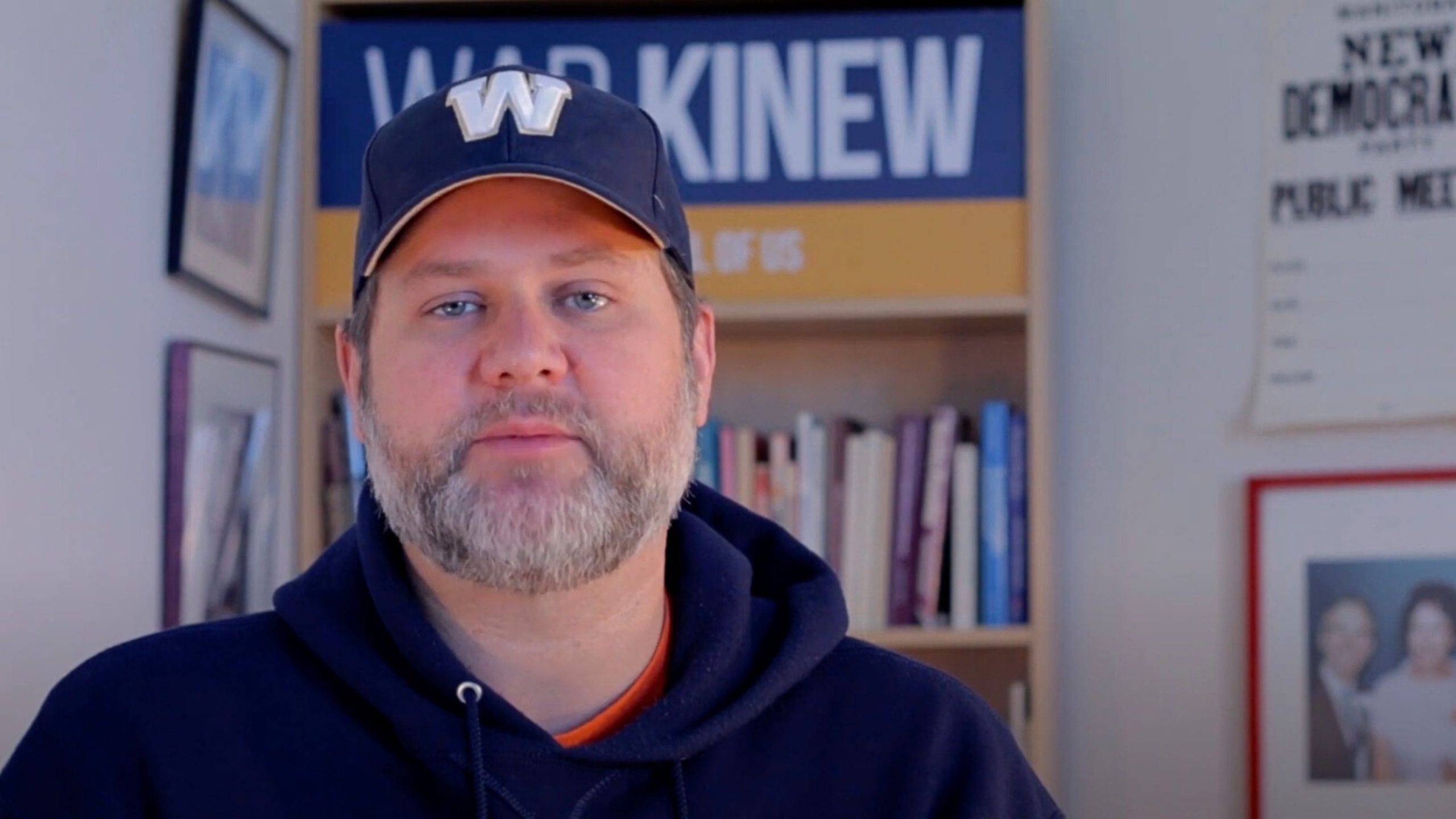
Manitoba Government Proposes Bill to Regulate Election “Misinformation” and “Deepfakes”
Manitoba’s government pushes a censorship bill wrapped in election integrity rhetoric – but who gets to decide what’s “misinformation”?
-
Michigan Senate Advances Bill To Impose Fines for Spreading Election “Misinformation”
Supporters argue the bill will curb misinformation, while critics fear it could stifle free speech and set ambiguous standards for…
-
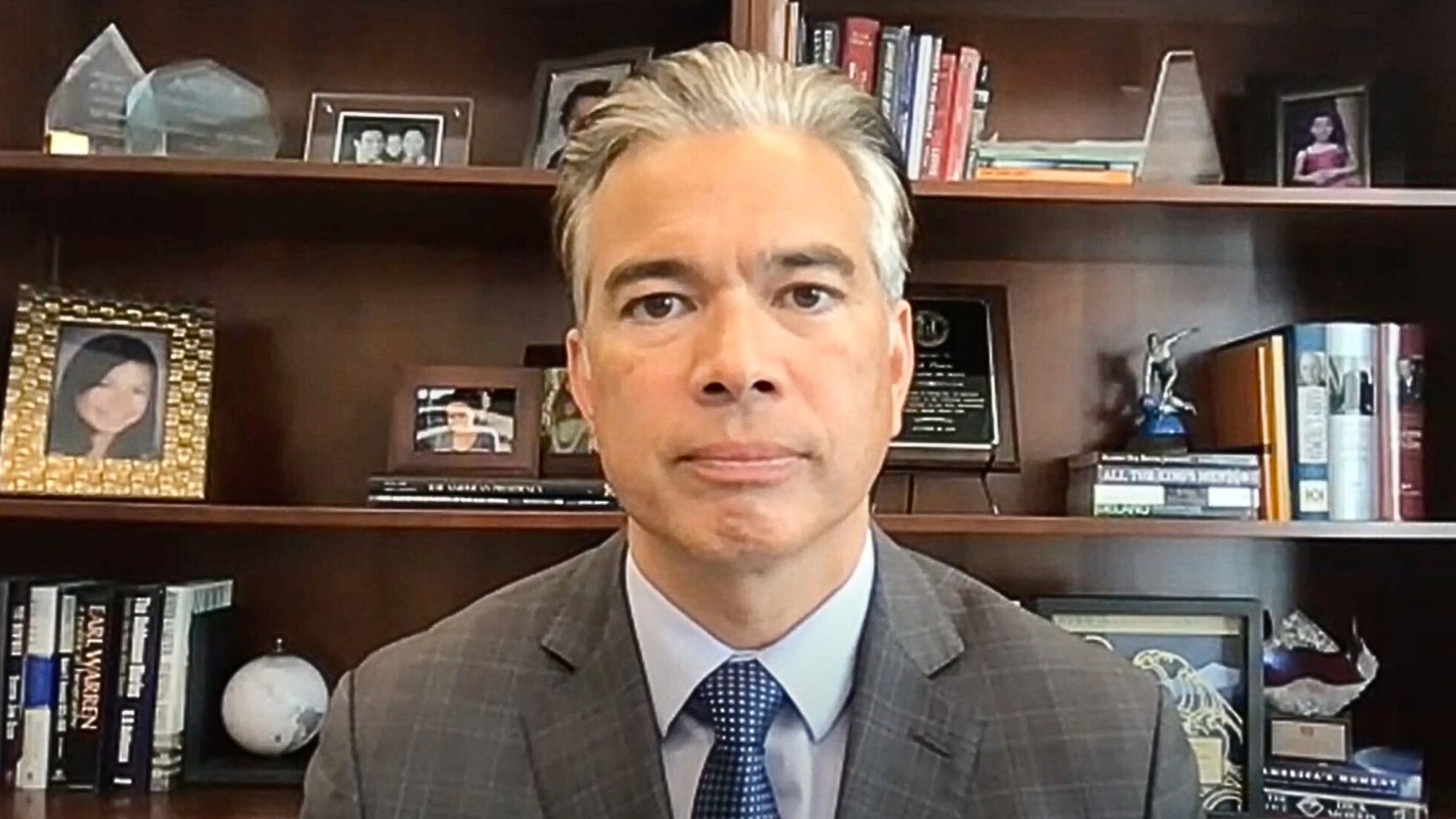
California Attorney General Bonta Pressures Top Social Media and AI Executives to Address “Misinformation”
A lack of focus on free speech rights amid censorship concerns.
-
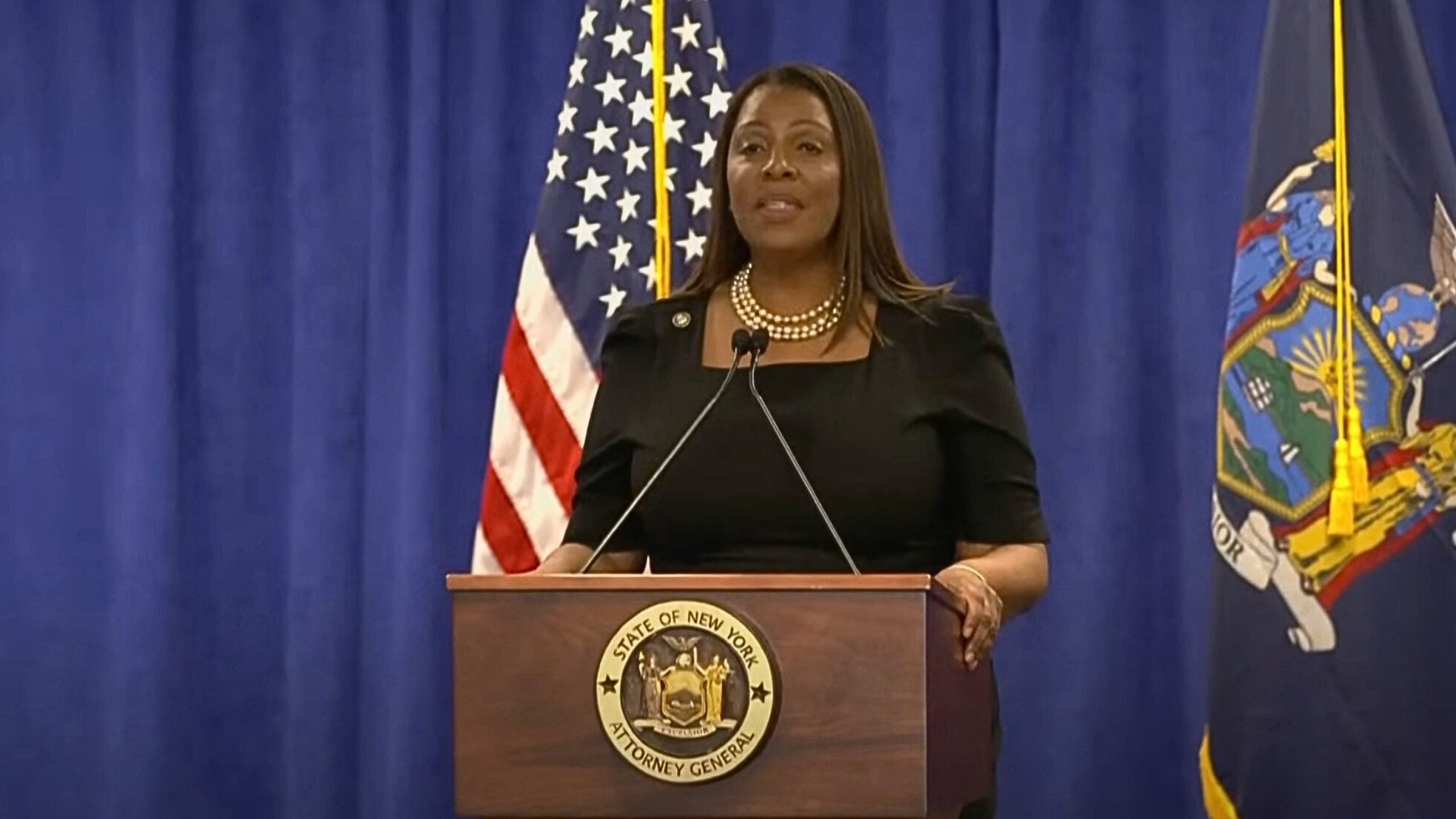
New York Attorney General Letitia James Produces Guide Encouraging Citizens To Flag “Misleading” Online Speech
Government policing free speech.
-
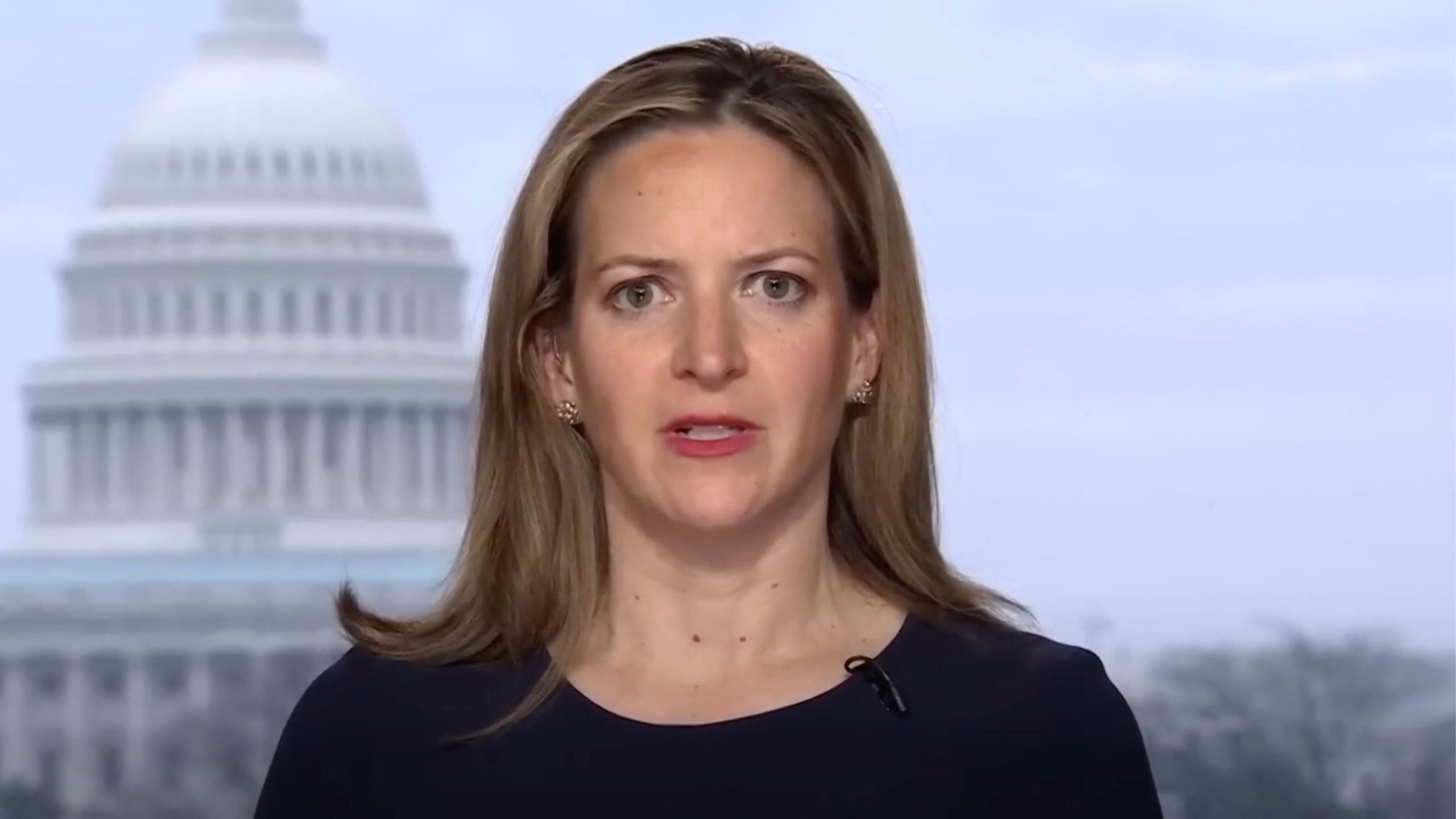
Michigan Secretary of State Jocelyn Benson Is Encouraging Residents To Report Neighbors for “Misinformation”
Surveillance culture and speech police.
-
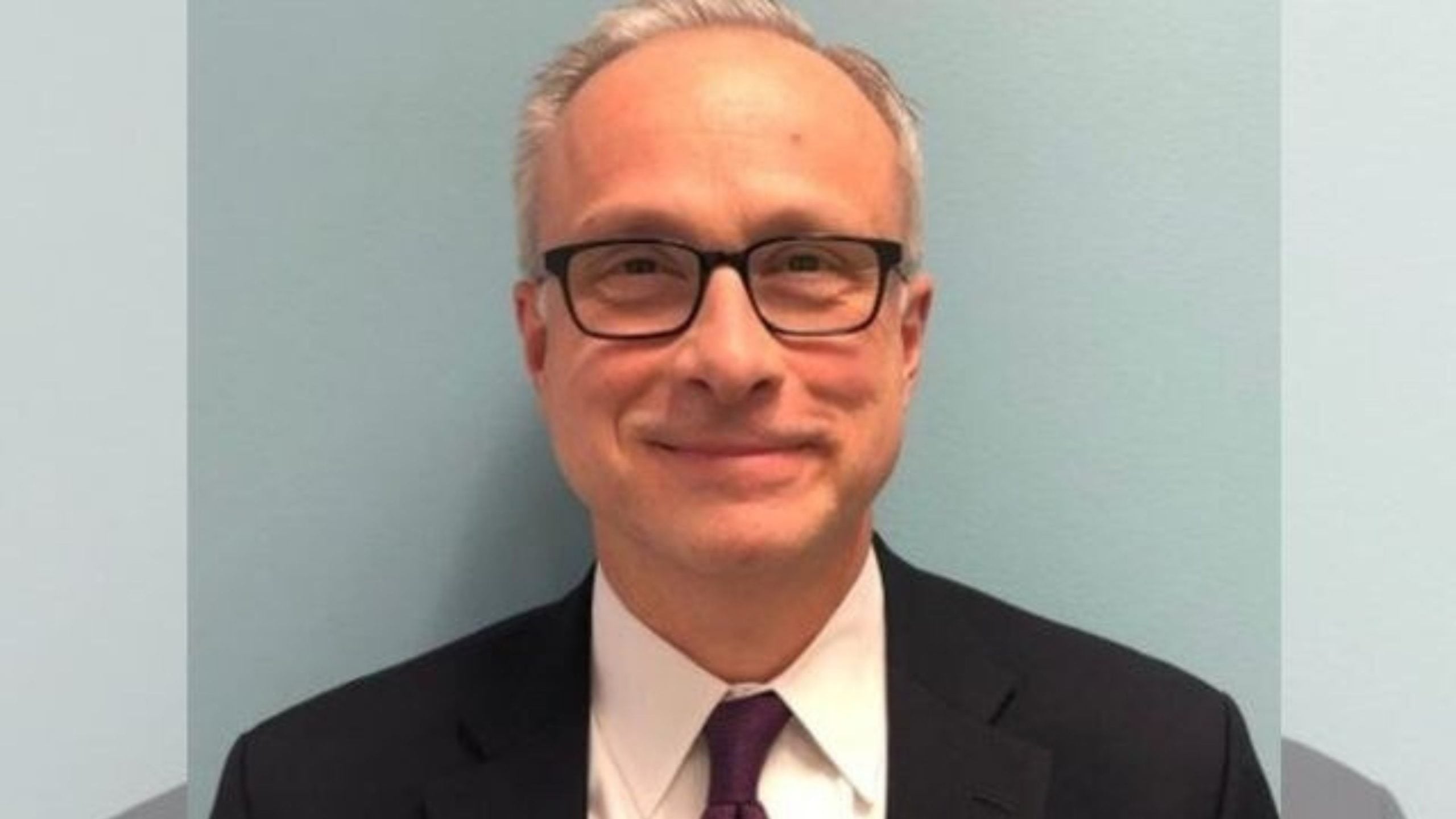
Former FBI and Twitter Lawyer Jim Baker Joins Election Task Force Advocating for Social Media Censorship
As former FBI lawyer Jim Baker joins the National Task Force on Election Crises, questions arise about his role in…
-

YouTube Removes 35,000 EU Videos for “Misinformation,” Enhances Content Censorship Ahead of 2024 Elections
YouTube amps up its election role in the EU, blending voter information with a robust crackdown on what it deems…
-
Republican State Lawmakers Call For Halt of Oregon’s Election “Misinformation” Big Tech Flagging Program
Free speech and privacy concerns.
-
Activists Complain Threads Isn’t Doing Enough To Censor “Disinformation”
Calls for more election-related moderation.
-
Maricopa County recorder contacted DHS cyber agency for help with social media partnerships
Documents found through legal discovery.
-
YouTube will censor election “misinformation” that doesn’t break any rules
YouTube will suppress subjective “borderline” content.
-