
Topic: health misinformation
Health misinformation is increasingly targeted by governments and tech companies, leading to widespread censorship of content deemed misleading or contrary to official narratives. This crackdown raises significant concerns about free speech and the right to access diverse viewpoints on health-related issues. As platforms like YouTube, TikTok, and Facebook implement stricter policies, the implications for individual liberty and privacy become more pronounced.
-

UK Think Tank, Once Funded by US State Department, Calls for Stricter YouTube Censorship
The Institute for Strategic Dialogue (ISD), a UK think tank that was in 2021 awarded a grant by the US…
-
TikTok Announces Crack Down on “Conspiracy Theories”
TikTok will use AI to curb recommendations of so-called “hate speech,” “misinformation” and claims that “certain events or situations are…
-
-
YouTube: Users will have to commit to WHO-approved practices to be labeled as “reliable” in algorithm
A new program aimed at healthcare providers.
-
Google to bans apps containing “misleading health claims that contradict existing medical consensus”
Apps that challenge the mainstream medical narratives could get removed.
-

Labour and SNP demand “health misinformation” controls be added to UK’s controversial “Online Safety Bill”
As if the bill wasn’t bad enough.
-
YouTube rolls out new panels to tackle health “misinformation” in India
Expanding its program to push “authoritative” health information.
-
Discord introduces new “anti-misinformation” policy, will ban people for off-platform behavior
More censorship coming in March.
-
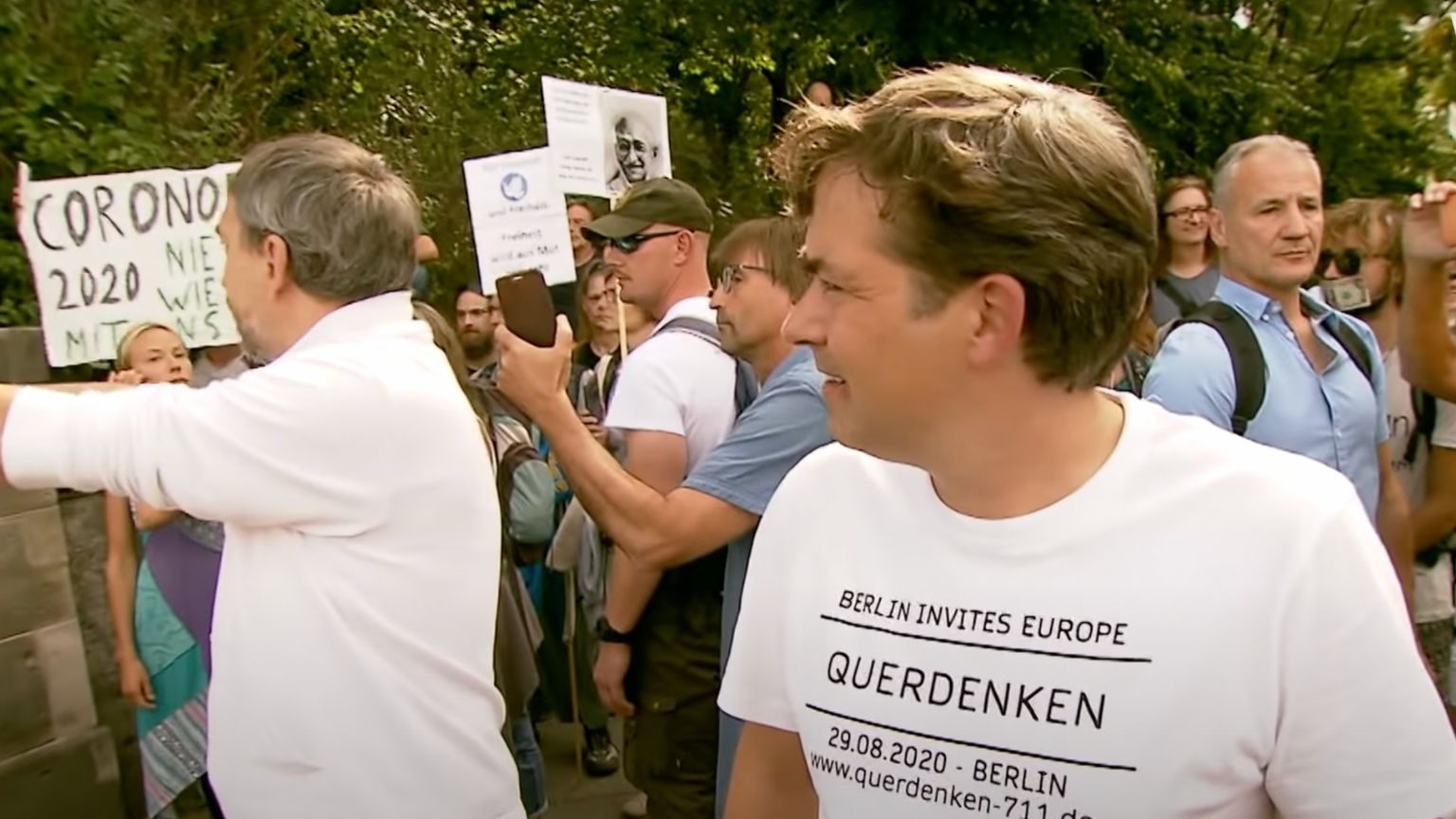
Facebook deletes groups from German anti-lockdown supporters
Facebook continues to censor those with anti-lockdown beliefs.
-
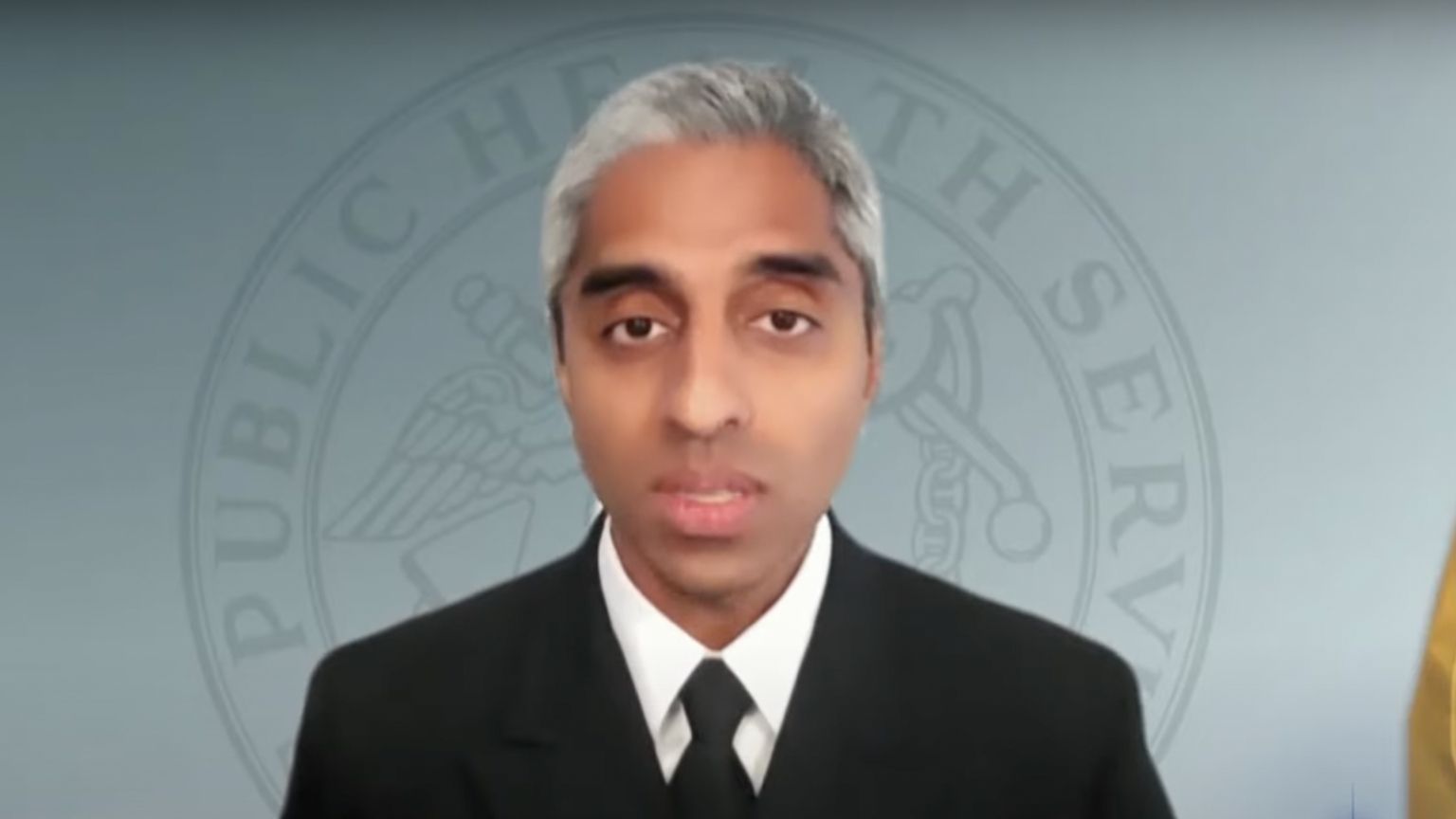
Surgeon General says “equity” is the reason COVID “misinformation” needs to be censored online
“We recognize that equity must be at the center of our work to confront health misinformation.”
-
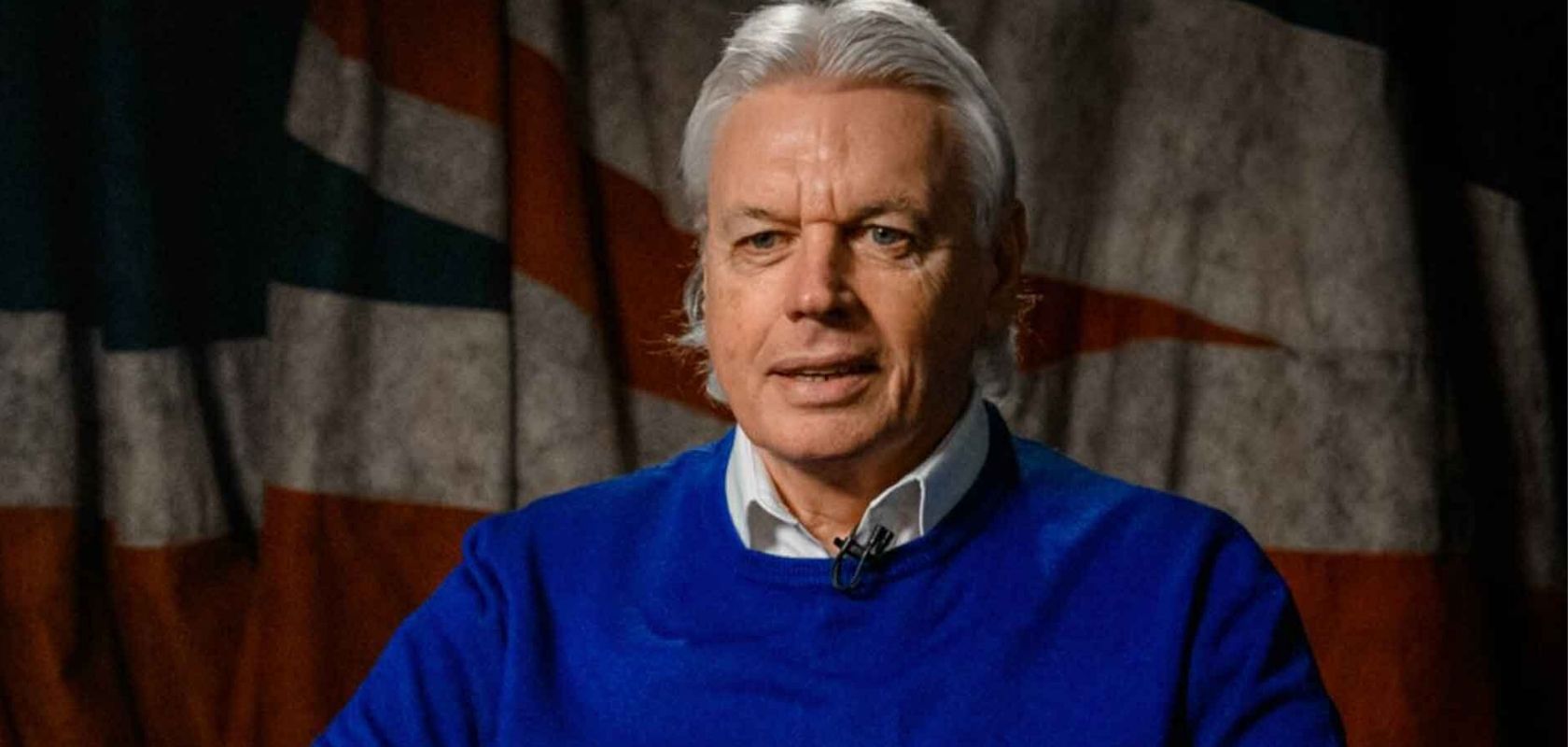
David Icke banned from Facebook over “health misinformation”
The pandemic and lockdowns have caused a new wave of censorship on Big Tech platforms.