
Topic: Shaun Thompson
Facial recognition technology is increasingly being adopted by law enforcement agencies, raising significant concerns about privacy and civil liberties. The use of this technology often leads to wrongful identifications and the potential for mass surveillance, undermining individual rights. As trials and legal challenges unfold, the implications for free expression and privacy remain critical.
-
“Nothing to Fear” Is Back: The UK High Court Clears Way for Police Facial Recognition
The policy that turns every Oxford Street shopper into a biometric template just got the judicial nod its architects were…
-
Angela Lipps Spent 108 Days in Jail Because a Facial Recognition Algorithm Was Wrong
The software was wrong, but Angela Lipps still had to spend 108 days in a Tennessee jail proving it.
-
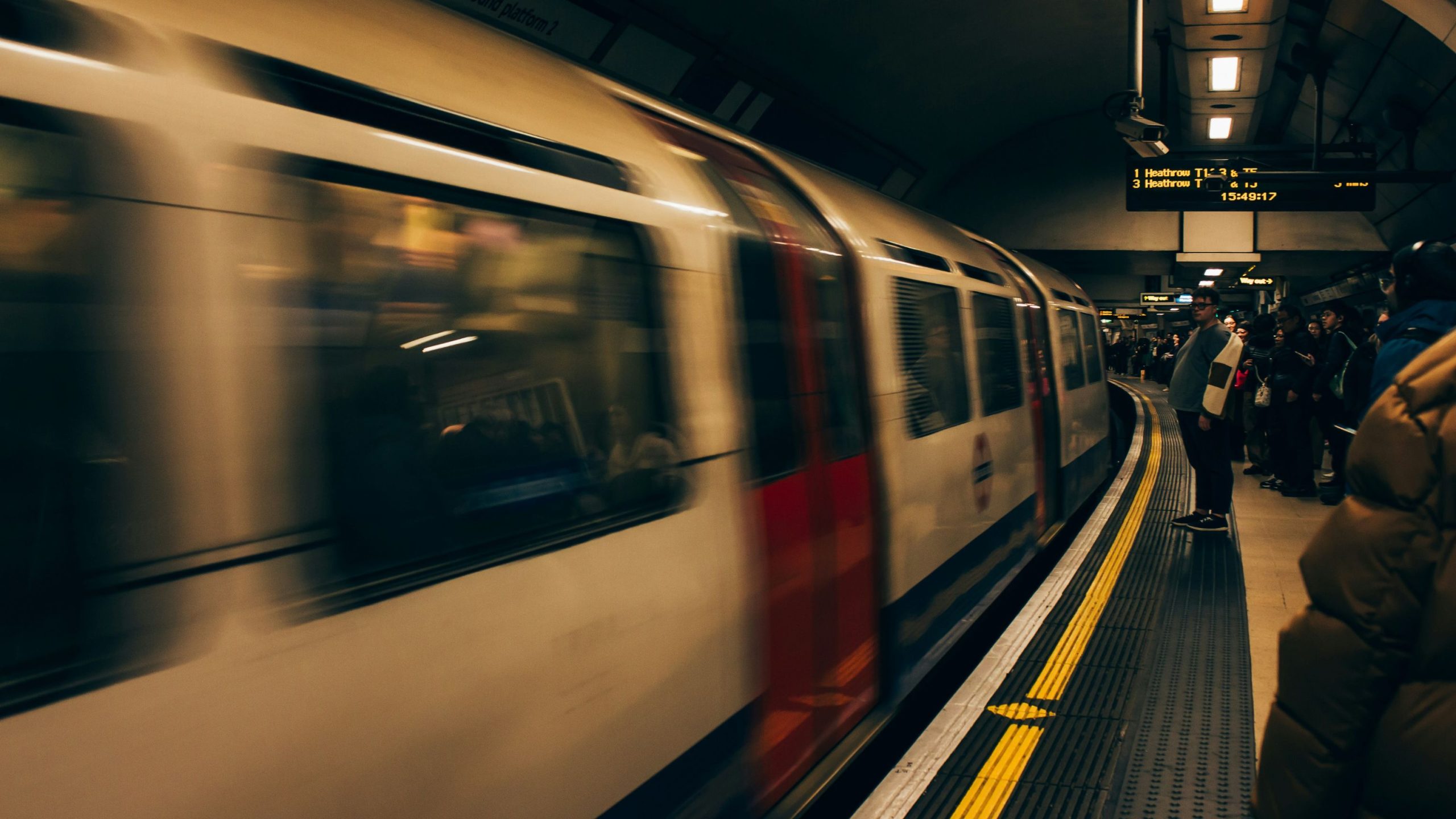
British Transport Police Launch Facial Recognition Trials in London Stations
Britain’s railways are turning into laboratories for algorithmic policing, where every commuter’s face becomes just another line of data in…
-
UK Expands Live Facial Recognition as First Legal Challenge Targets Met Police Misidentification
Facial recognition quietly scales nationwide as police double down on a tool still lacking clear legal ground.
-
Innocent People Are Already Getting Caught Up in UK Police’s Dystopian Facial Recognition Scans
A face flagged as dangerous was actually working to keep danger off the streets.