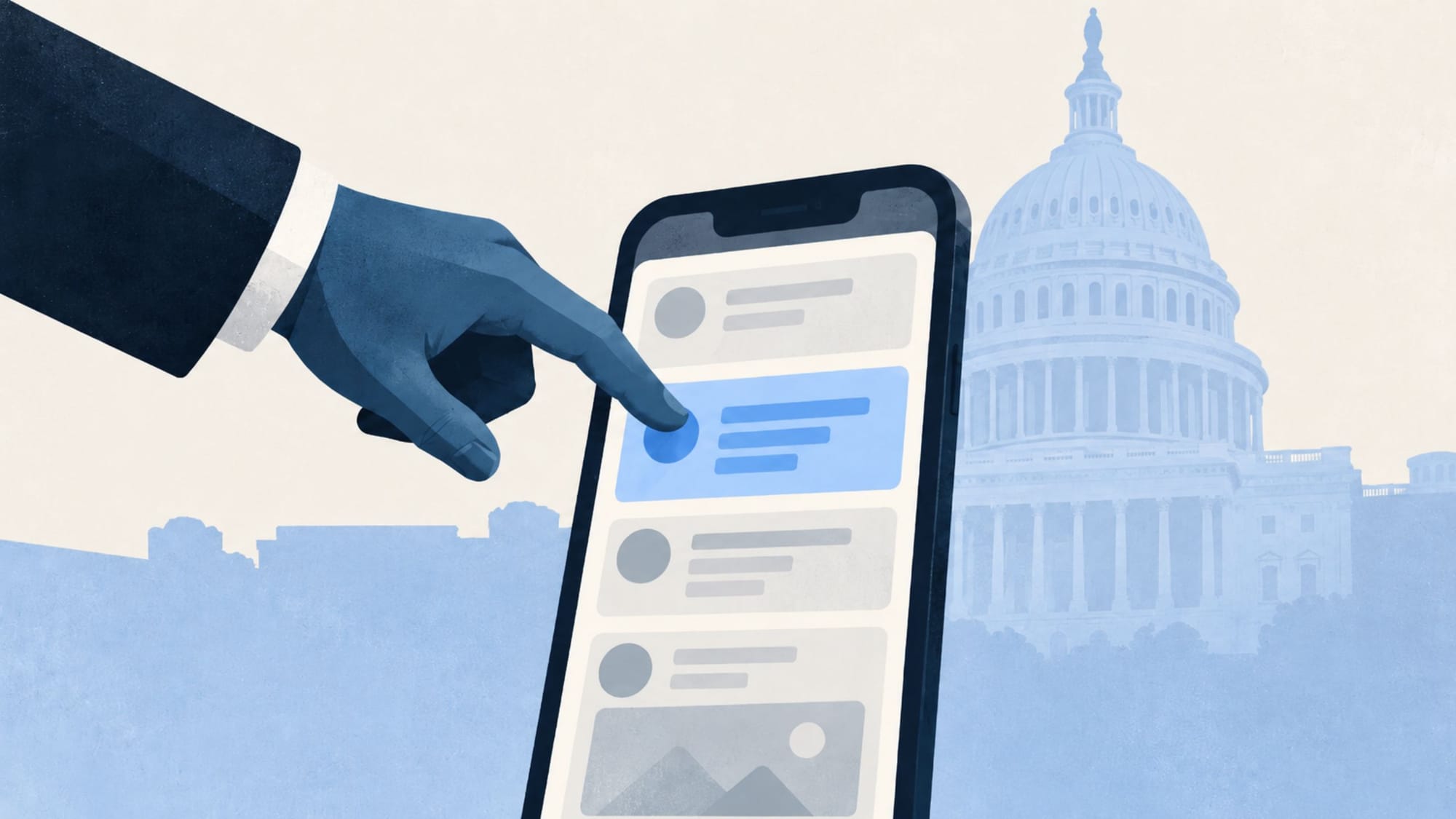
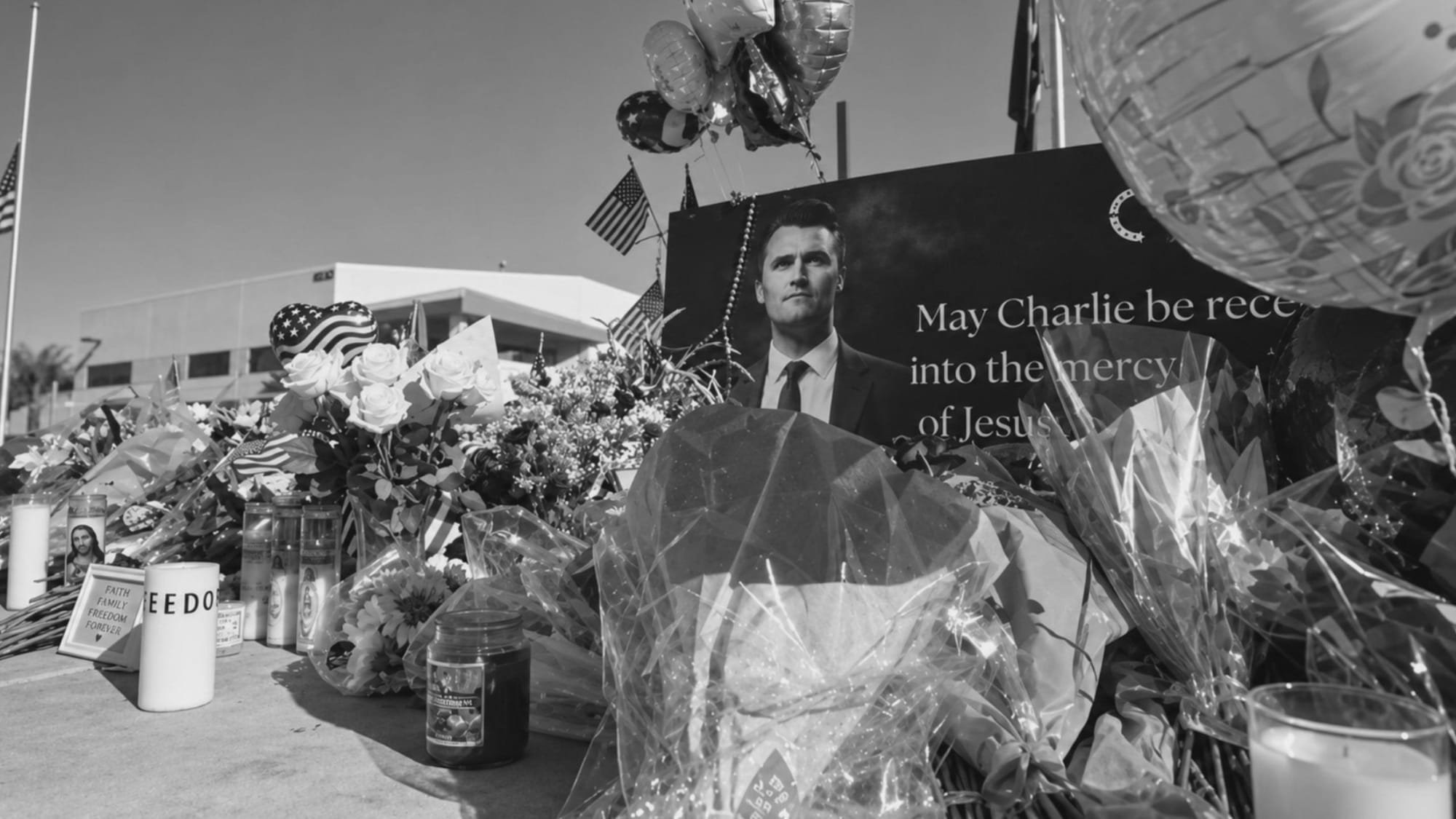
A UK Home Office memo reveals that the government was monitoring online reactions to the murder of American conservative activist Charlie Kirk, and was interested in those expressing “pro-free speech narratives.”
The memo was sent to officials at the Home Office, Foreign Office, Cabinet Office, and the police, the day after the murder, September 11, 2025. It was classified as Official Sensitive. The document was obtained by Steven Edginton who published a report on September 10, one year after Kirk’s Assassination.
The memo came from the Research, Information and Communications Unit (RICU), whose job is to provide “insights” to inform policy and operational decisions across the government’s controversial Prevent program and counter-terrorism efforts. This is according to the Home Office itself, while RICU’s activities, as revealed by the leaked document, suggest it also engages in what looks like politically motivated surveillance of legal speech.
The full document has not been independently reviewed by Reclaim The Net, but according to Edginton, the author of the report, it contains information about 2,000 posts from around the world, from people and groups that the UK government chooses to call “extreme right-wing.”
Most of these posts appeared in the first hour after the news of the murder broke. Among those whose reaction was monitored were Turning Point UK and Tommy Robinson.
But the document also contains a “forecast” of how these “extreme right-wing” individuals and groups would react going forward, and this is where “pro-free speech narratives” come in.
This is not presented as evidence that everyone who was mourning Kirk was a terrorist – but the “forecast” is part of a memo that is clearly focused on potential terrorism threats.
Edginton’s report notes that the Home Office unit also monitored and assessed left-wing and “single-issue” audiences, as well as UK-based Islamist terrorist supporters. The “left-wing” response was found to be “moderate” and consisting mostly of “factual reporting.”
However, US Under Secretary of State for Public Diplomacy Sarah Rogers, who was previously Kirk’s lawyer, specializing in First Amendment cases, did not see why the UK government would find anything “extreme” about supporting free speech.
“There is nothing ‘extreme’ about ‘pushing pro free speech narratives.’ That’s why censorship by governments proves so unpopular,” Rogers is quoted as saying, adding, “Most glaringly, the memo describes the ‘leftist’ response as ‘moderate,’ despite describing the same leftists as ‘celebratory’ of Charlie’s murder.”
This is not the first time RICU has been involved in a controversy involving “hunting” for terrorists in the wrong places. In 2023, an independent review of the Prevent program, led by William Shawcross, found that the unit had included in its “analysis” mainstream conservative commentary, as well as literary texts, without any convincing explanation of how these related to counter-terrorism.
But opposing censorship or condemning murder does not in itself establish a risk of terrorism. The problem is that the government is using a unit that is supposed to be dedicated to counter-terrorism to monitor and assess ordinary political and ideological narratives.