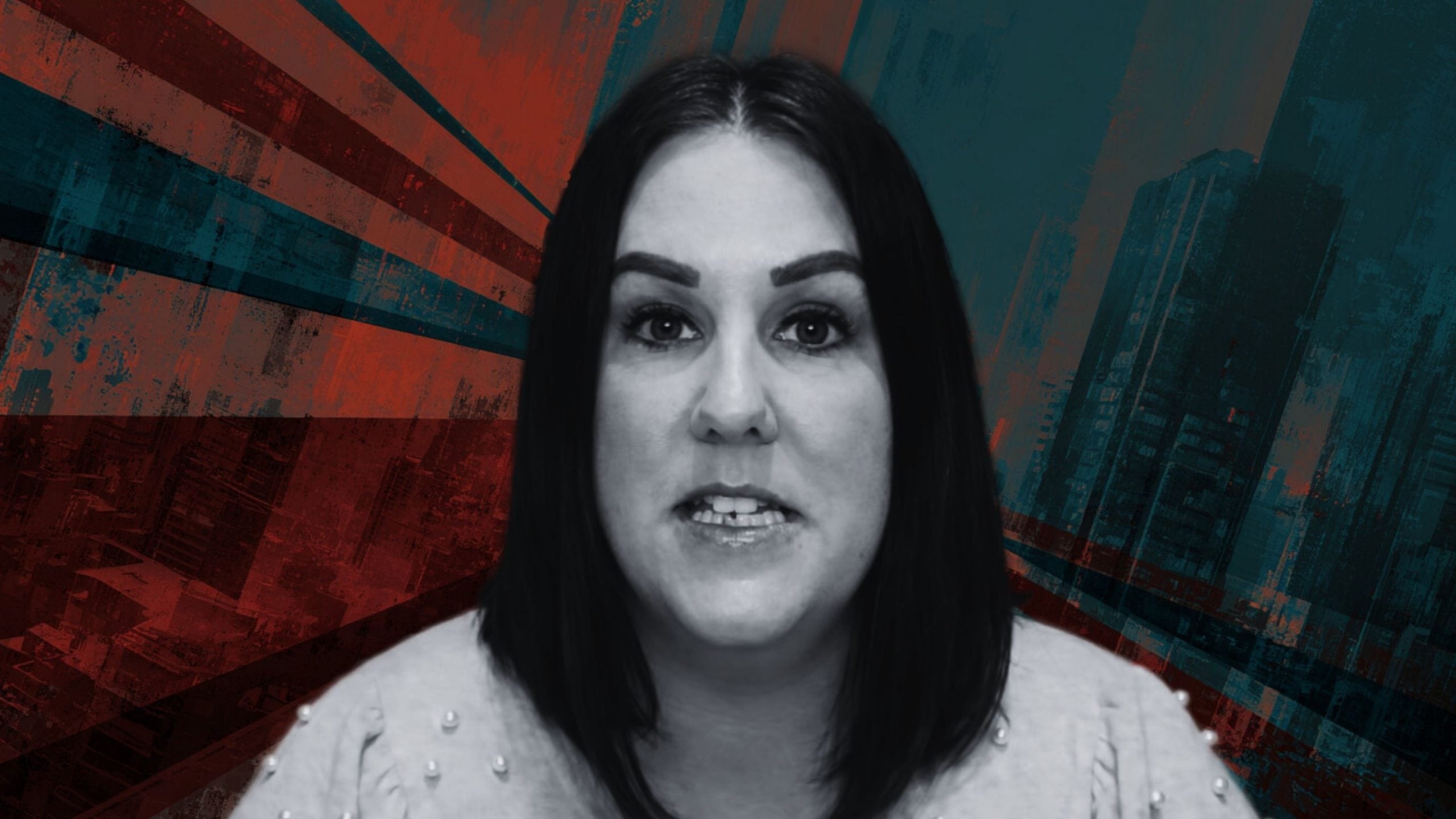
Lucy Connolly, a 42-year-old former childcarer who served more than a year in prison for a social media post, says she has been warned she could be sent back to jail over her recent online activity.
She revealed on the Dan Wootton Outspoken show that probation officials have issued her a “warning letter” accusing her of “not good behavior” for posts they considered inappropriate under the terms of her release.
“I generally don’t know what is okay by their standards to say and what is not,” Connolly said. “I’ve been pulled up for several things last week with a warning letter, which is telling me that [the posts] are not of good behavior. And none of which I’m in agreeance with.”
The incident centers on a reposted comment on X that jokingly referred to President Donald Trump “taking” UK Prime Minister Keir Starmer in the same way the United States targeted Venezuela’s Nicolás Maduro.
Connolly said the remark was clearly “tongue-in-cheek” but that someone reported it to probation as “inciting violence.”
The free speech martyr explained that she now feels she must second-guess everything she says online. “I don’t think you’ll find anything on my Twitter since I’ve made a return to Twitter since I’ve been to prison, that you would deem offensive or incitement,” she said.
Connolly later sought to clarify claims that she was facing an imminent return to prison.
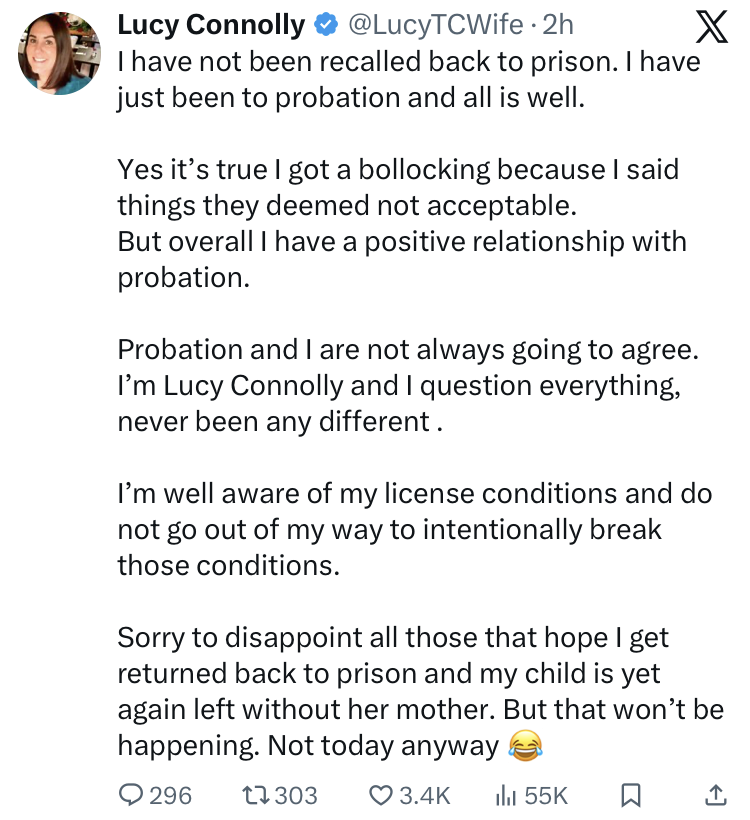
In a post on X, she said she had not been recalled to custody and had attended a probation meeting, stressing that “all is well.” While confirming she had received a reprimand, she said she maintains a “positive relationship” with probation and is aware of her license conditions.
Connolly was released in August after serving 380 days of a 31-month sentence. Her release was on license, a system that imposes behavioral restrictions until the sentence period ends.
Such licenses are usually used for people convicted of terrorism or sexual offenses and allow the government to recall a person to custody if they are judged to have breached the rules, even without a new criminal charge.
Connolly said she had also been warned about posts relating to her daughter’s school application and about activist Alaa Abd el-Fattah.
Abd el-Fattah, a dual Egyptian-British national, has been at the centre of controversy after messages emerged online calling for violence against Zionists and police.
He has since apologized and said that some of his words were “completely twisted out of their meaning.”
According to reports, the letter sent to Connolly warned that further comments of a similar nature could be deemed a breach of license and lead to her being recalled to prison.
Connolly’s case has become emblematic of a wider change in how speech is controlled. The government’s growing use of probationary powers and license conditions means individuals can face ongoing restrictions long after their formal punishment has ended.
While the state insists these measures protect the public from harm, they have become a tool for policing expression without due process.
Connolly’s arrest and imprisonment for online speech have drawn international scrutiny, with foreign media and political figures questioning how a democratic government could impose such a lengthy prison term over a single social media post.
Officials in the United States have reportedly raised the issue through diplomatic channels, expressing concern that the case reflects a growing intolerance toward free expression in the United Kingdom.