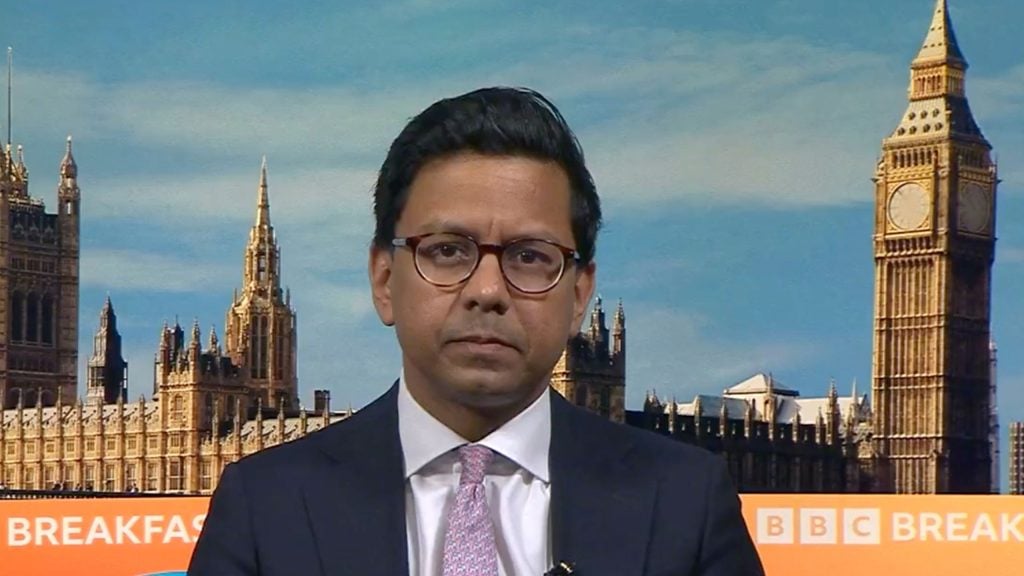
The British government found a rare setting on its own control panel labeled “leave it alone,” and for once it pressed the button. “Online Safety” Minister Kanishka Narayan went on BBC Breakfast on Wednesday and said the words that privacy people had spent a year begging to hear. “We decided not to limit VPNs.”
That means no age gate on virtual private networks, no ban, and no demand that you hand over a passport before routing your traffic through an encrypted tunnel. The tools that let you step around Britain’s expanding age-check regime stay legal and unrestricted. It counts as a real win, even if the people delivering it would rather you call it something blander.
The plan they walked away from was uglier. As the Online Safety Act’s age-verification machinery switched on and adults across the UK started reaching for VPNs to get out from under it, ministers floated going after the exits too.
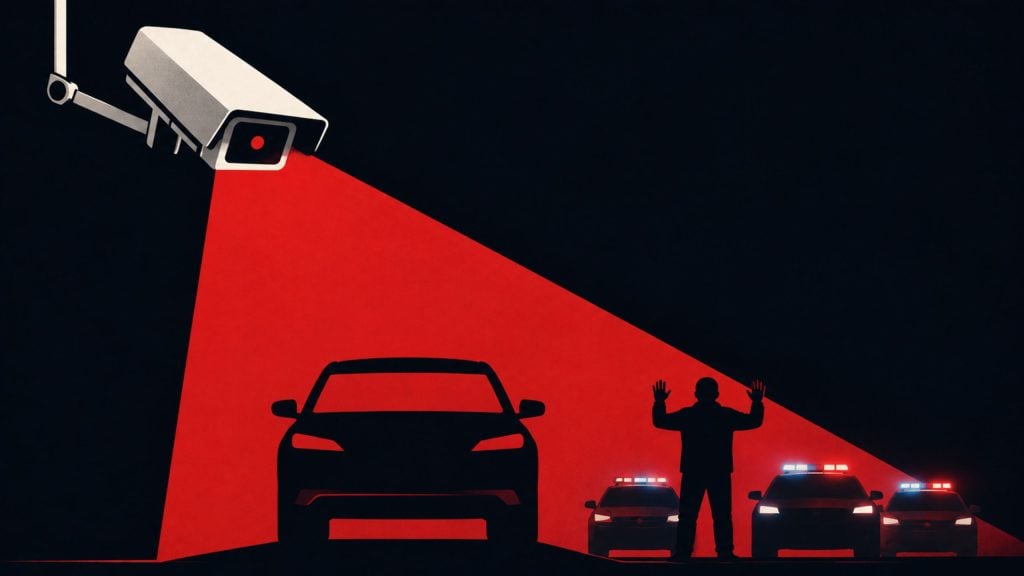
If everyone drives around the checkpoint, close the roads. Technology Secretary Liz Kendall promised in June to “come back in July with a further statement.” That statement has landed, and it blinks. Her written note to Parliament was just as flat. The government will not age-gate or ban the software because “VPNs have legitimate privacy and security uses.”
Narayan supplied the human detail. “Whistleblowers told us that VPNs are important for them,” he said.
“Minority groups told us that the ability to use VPNs is a really important way in which they can call out for help when they need it.”
Break the tool to inconvenience a fourteen-year-old sneaking onto TikTok and you break it for everyone who needs it.
The government’s own figures gut the case for a crackdown. A DSIT survey found 26% of 11-to-17-year-olds use a VPN, and they mostly do it for privacy.
Somewhere between 7 and 10 percent reach for one to dodge age checks. The favorite teenage workaround is far dumber and far more common. Typing a fake birthday, which 45% cheerfully admitted to. You could outlaw every VPN in Britain tomorrow and the age gates would still leak like a colander, because the real hole is a lie about a date, not a piece of encryption software.
The fine print is where the concession gets slippery. Narayan called it “the primary conclusion for now,” then added that “it is something we’ll continue to review.”
The “for now” is the tell. This is a pause, not a peace treaty.
Kendall wants platforms “to take robust steps to detect and prevent attempts by underage users to circumvent age assurance measures.” Ofcom and the Information Commissioner’s Office have until October to report on how apps can spot and block VPN traffic.
So the state won’t touch your VPN but it will lean on every service you use to notice when you’ve switched one on. The checkpoint survives, the border guards get outsourced.
The Online Safety Act was sold as a universal rulebook for the entire web. It is turning into a row of speed bumps that anyone with a cheap monthly subscription can steer around.
Saying so out loud would hand a club to campaigners like Baroness Kidron, the online-safety crusader the government least wants to provoke. Easier to dress the surrender up as a masterplan.
Hold the champagne for one more reason, though. British politics is mid-earthquake, and Andy Burnham has the numbers to shove Keir Starmer aside and stroll into Number 10.
Nobody knows yet what a Burnham government makes of any of this. A concession granted “for now” by one administration is worth precisely what the next one says it is. VPNs are how free-thinking people will choose to opt out of Britain’s censored internet.