Unless you’ve been following our reports, you may not have noticed that Missouri’s new age verification system quietly went live on November 30, reshaping how residents can access much of the internet.
The rule orders websites and mobile apps to confirm users are adults if at least a third of their material might be deemed “harmful” to minors, a legal label covering some adult content that offers no “serious literary, artistic, political, or scientific value” for young people.
That simple-sounding formula has already proven confusing. Some sites that have nothing to do with explicit entertainment are suddenly demanding proof of age.
One Reddit user pointed out that even a lingerie retailer now hides product images behind an ID prompt, writing, “Looks like it’s chilling speech to me.”
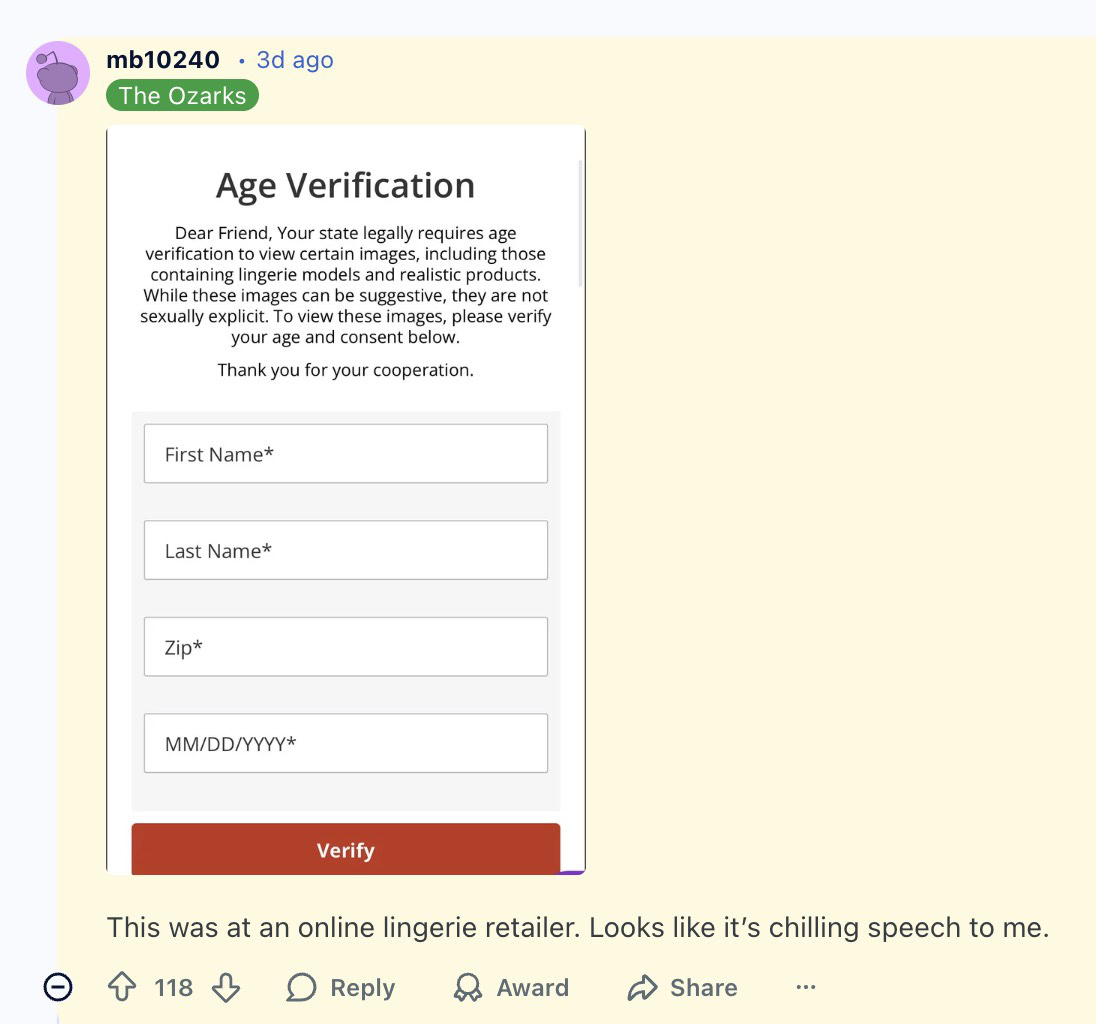
This is exactly the kind of “mission creep” experts had warned about when the law was first announced.
The rule landed the same weekend as Missouri’s legalization of online sports betting, which comes with its own separate age limit of 21.
Because the gambling regulation and the new content rule do not overlap, businesses now face a tangle of verification systems that interpret “age-gating” differently.
Aylo, the parent company behind Pornhub and numerous other adult sites, has cut off all access from Missouri.
The firm said it could not comply without compromising user privacy and data security, an argument that has also led it to pull out of other states with similar rules.
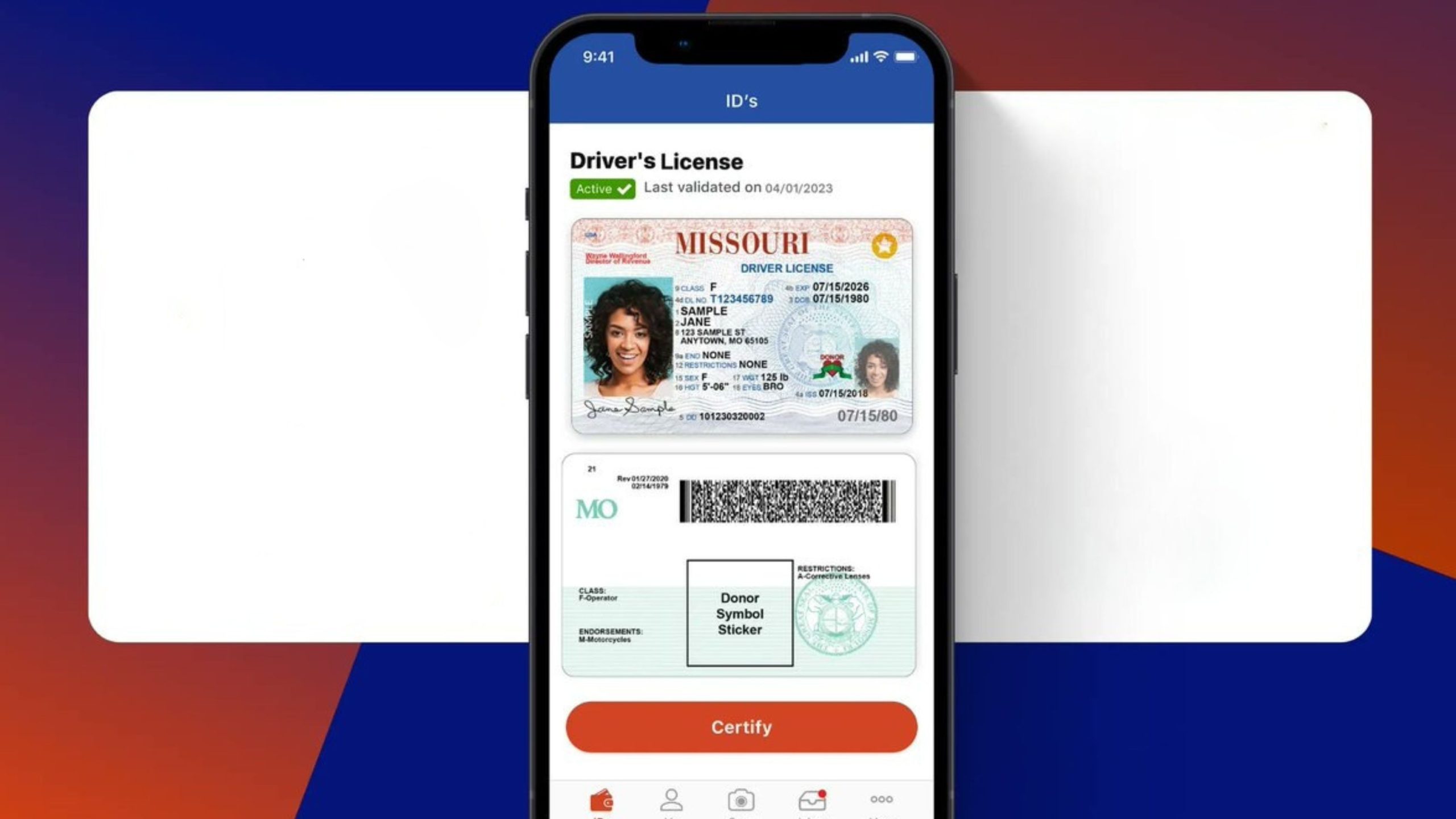
Anyone who still wants to view material that could be considered “harmful” now faces an identity check that can involve scanning a government-issued ID, uploading a selfie, or using a digital ID credential.
Privacy advocates have warned that these steps create a high-value database of personal information, a gold mine for hackers and data brokers.
Searches for VPN services in Missouri have at least doubled since the law’s launch. By encrypting internet connections and masking IP addresses, VPNs allow users to sidestep both regional blocks and data collection systems.
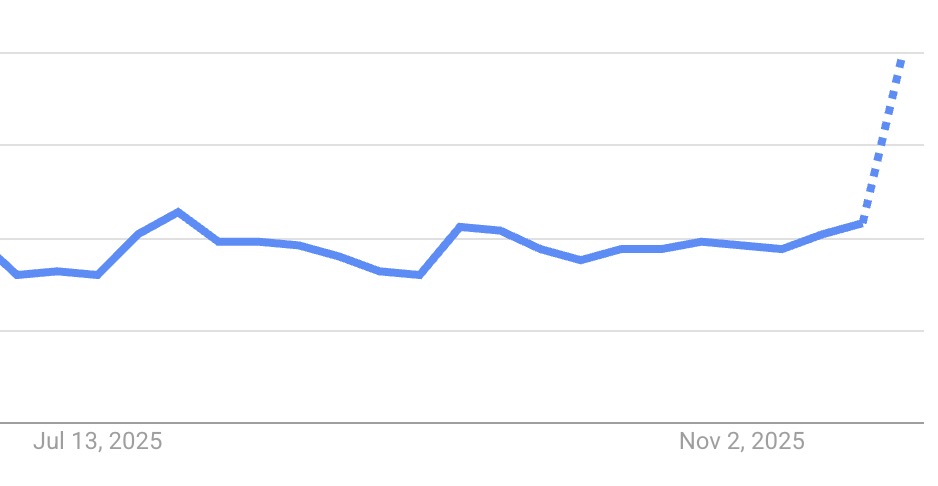
Unfortunately, shady providers have rushed to exploit the moment, flooding search results with unknown brands. Reliable VPNs exist, but few are truly private or free from logging practices, something Missourians are quickly discovering.
Pornhub’s blackout in Missouri brings the number of affected states to 23, creating a near-continuous belt of blocked access stretching diagonally across the United States.