
Author: Christina Maas
-

A Privacy-Focused Browser Redefining Open Source Through Simplicity and Silence
A browser built on silence, it measures trust by what it refuses to know.
-
Bipartisan Bill Seeks to Repeal Section 230, Endangering Online Free Speech
Repealing Section 230 wouldn’t tame Big Tech; it would hand the keys of online speech to the few companies wealthy…
-
Pennsylvania High Court Rules Police Can Access Google Searches Without Warrant
The court’s ruling suggests that using the internet now means agreeing to be searched.
-
A $45 Fee and Three Ways to Lose Your Privacy Before You Fly
A $45 fee to prove you exist; TSA’s latest plan turns identity into a subscription service, complete with hidden math,…
-
Substack Imposes Digital ID Checks in Australia
In Australia, the simple act of reading online can now comes with an ID check, a quiet transaction that turns…
-
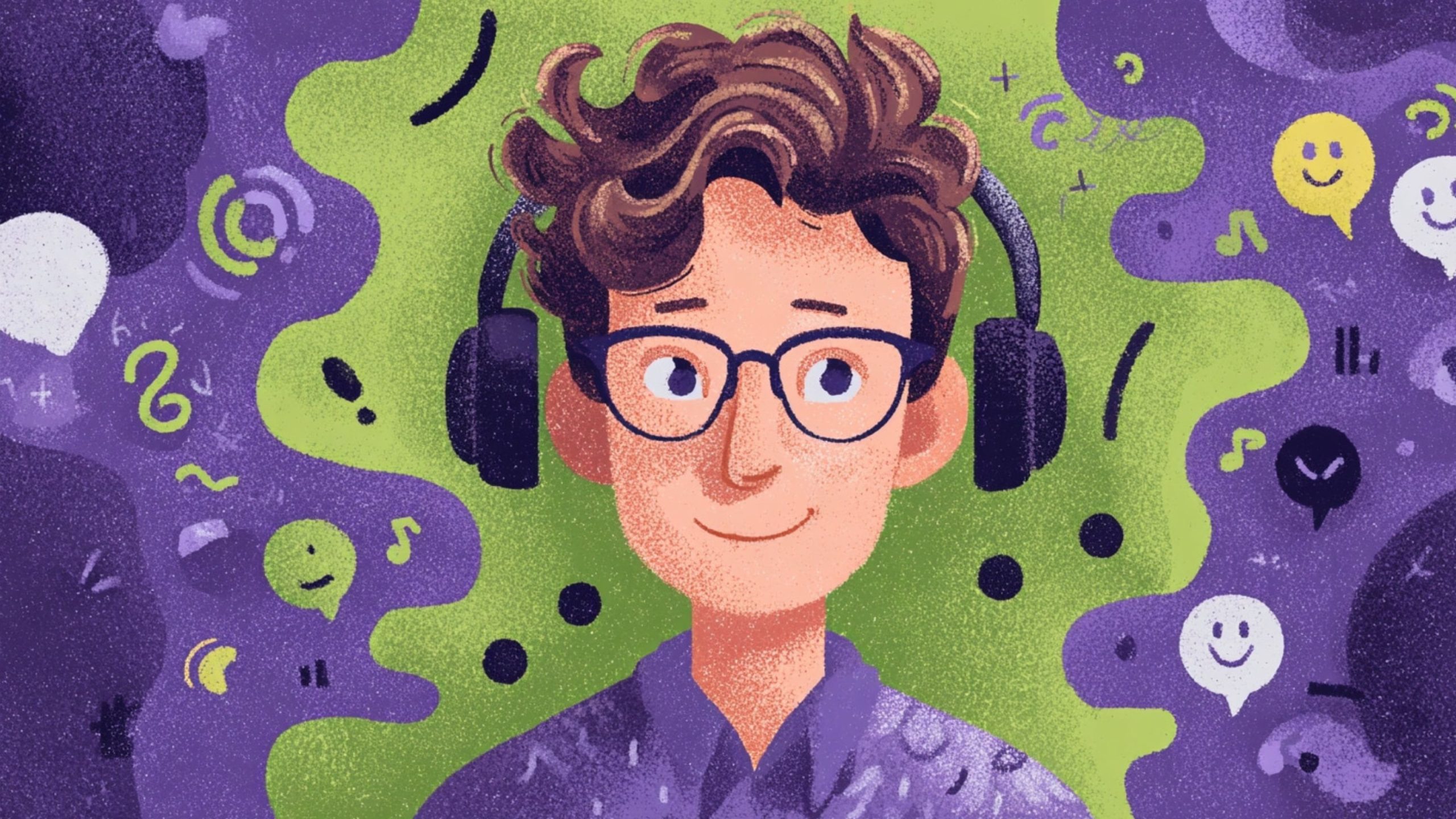
The Friendly Face of the Surveillance Machine
The ritual proves that surveillance doesn’t need to hide, it just needs better design.
-
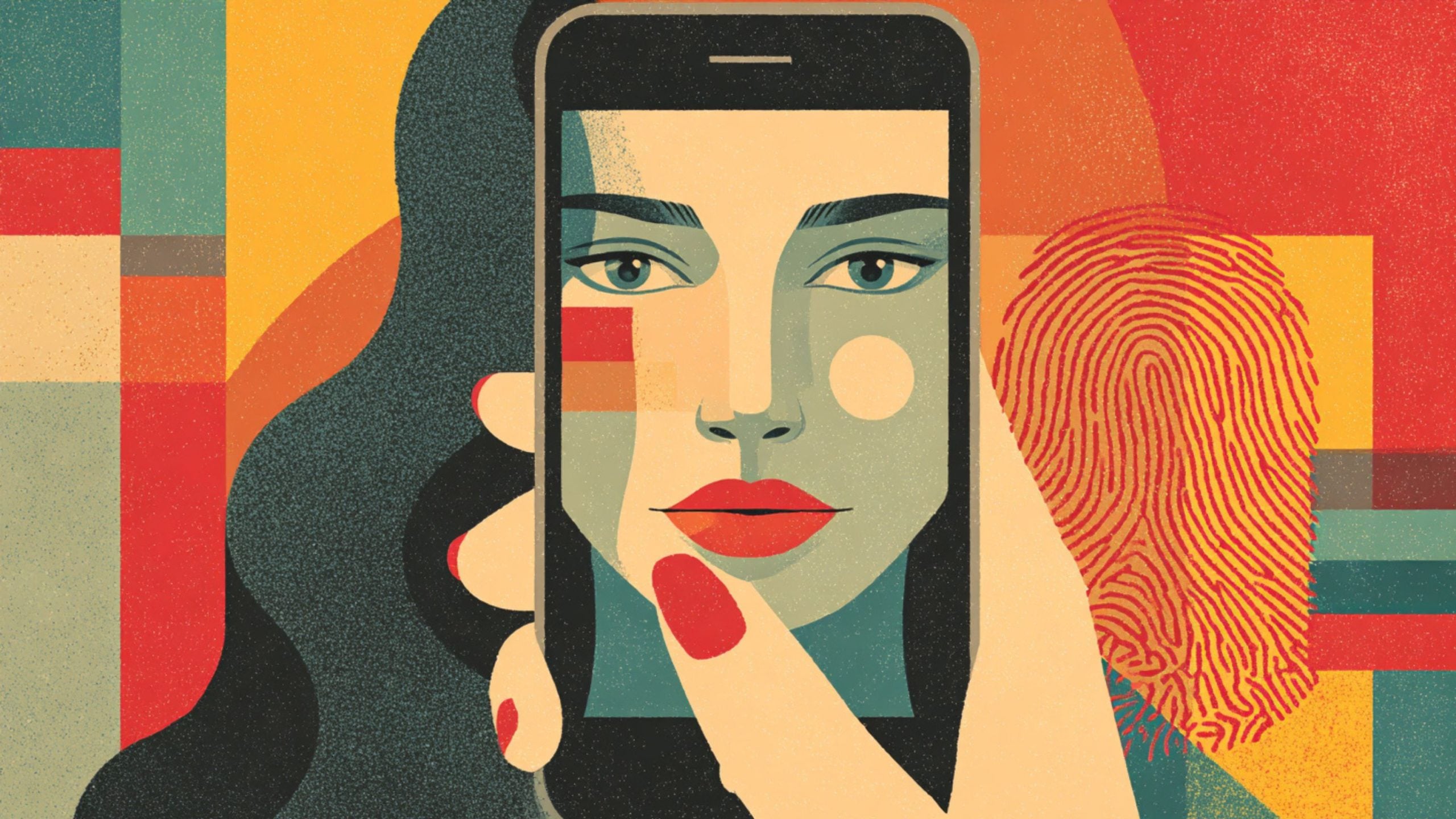
House Lawmakers Unite in Moral Panic, Advancing 18 “Kids’ Online Safety” Bills That Expand Surveillance and Weaken Privacy
Lawmakers spent the day chasing safety by expanding surveillance, proving that in Washington, nothing unites faster than fear of the…
-
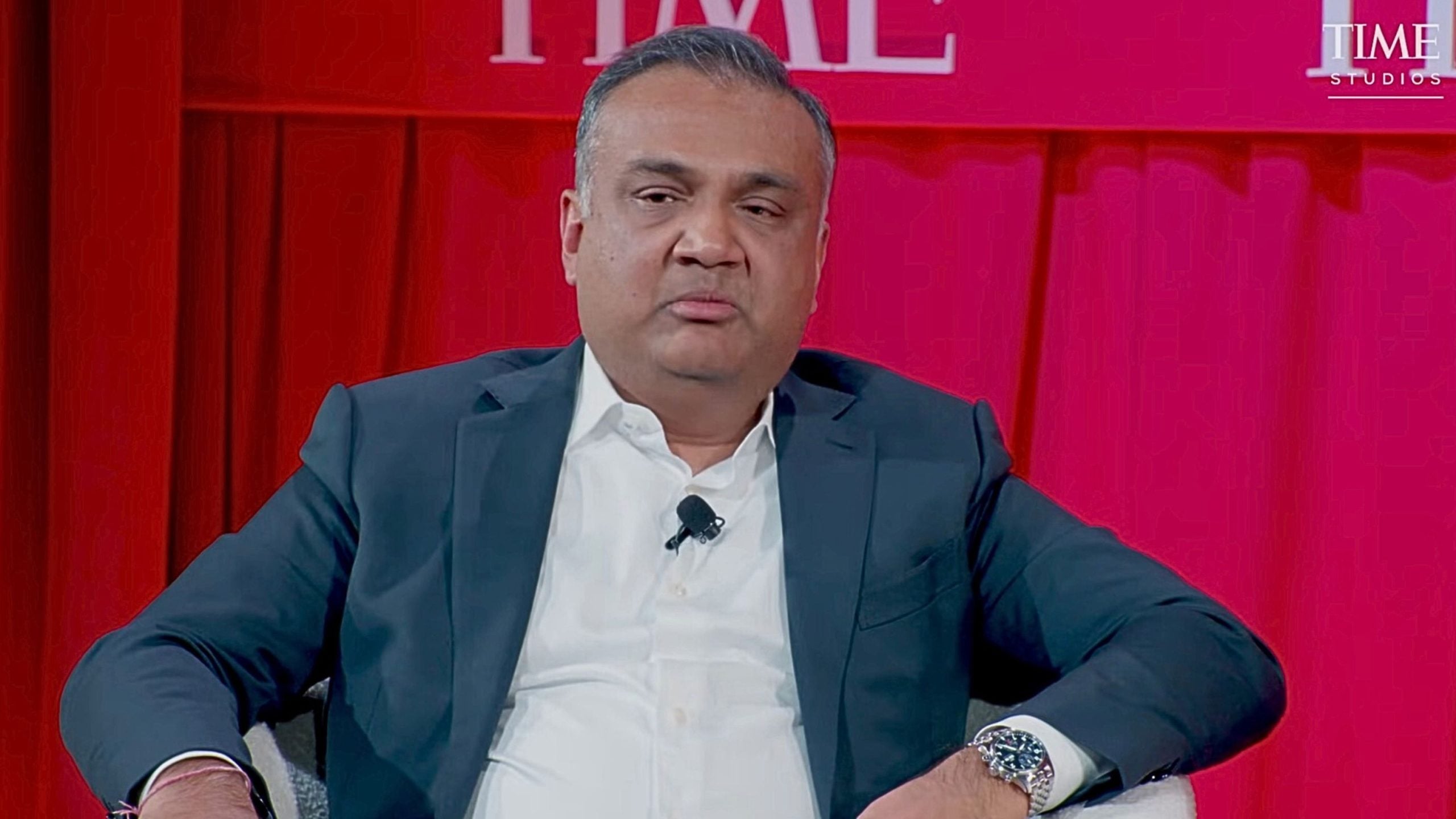
AI Is YouTube’s New Gatekeeper
The company that built a global stage for human expression increasingly wants algorithms to decide who gets to keep the…
-

From Madison to Moscow: How VPNs Work and Why Governments (Despite Trying) Can’t Stop Them
Governments keep trying to cage the internet, only to find out it was never theirs to begin with.
-

Australian Leaders and Legacy Media Celebrates Launch of Online Digital ID Age Verification Law
A crusade to shield kids online ends with an entire nation under surveillance.
-

This FTC Workshop Could Legitimize the Push for Online Digital ID Checks
The FTC’s January workshop could accelerate the shift from an open web to one that demands your ID at every…
-
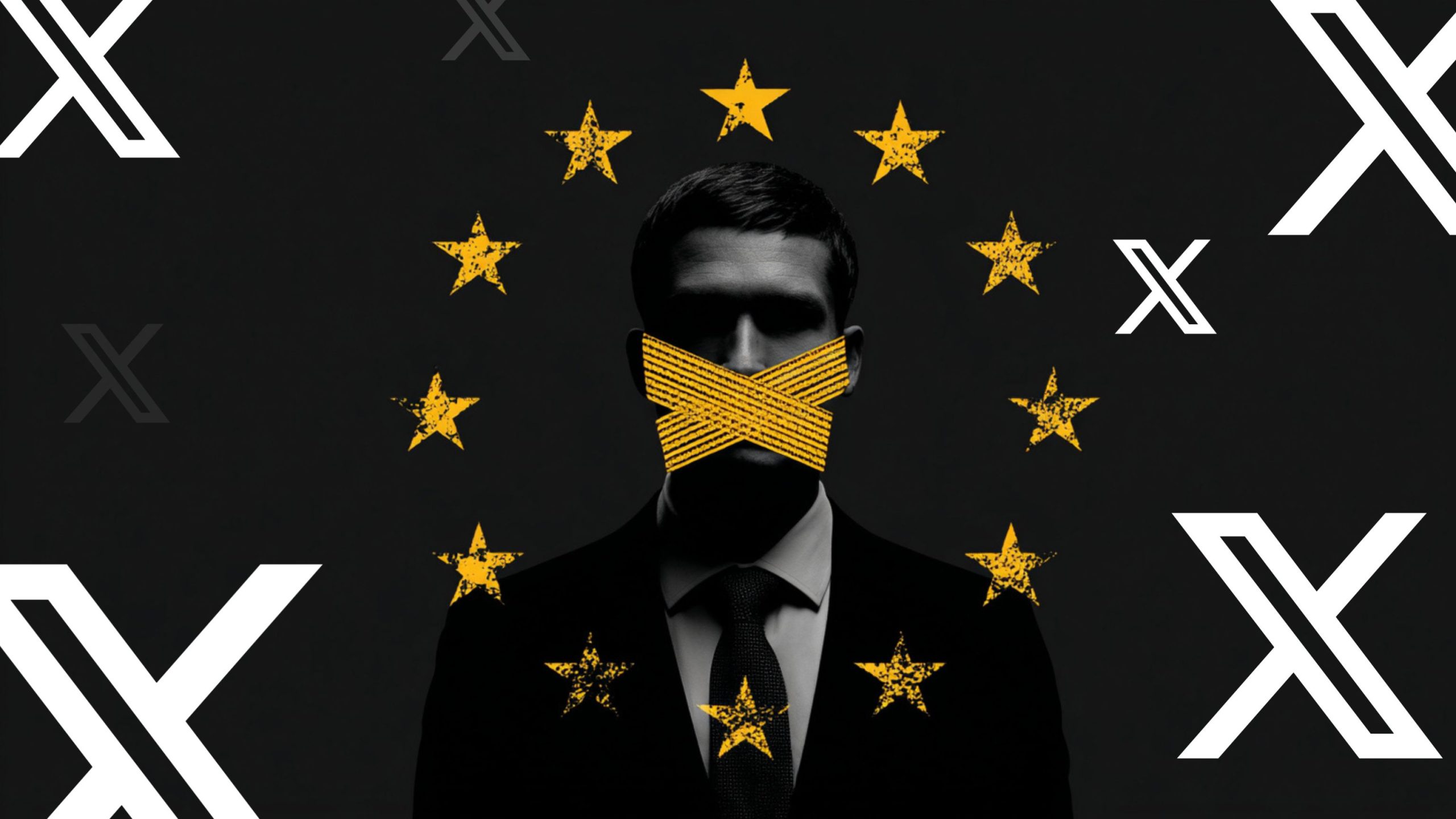
The EU Insists Its X Fine Isn’t About Censorship. Here’s Why It Is.
Europe calls it transparency, but it looks a lot like teaching the internet who’s allowed to speak.