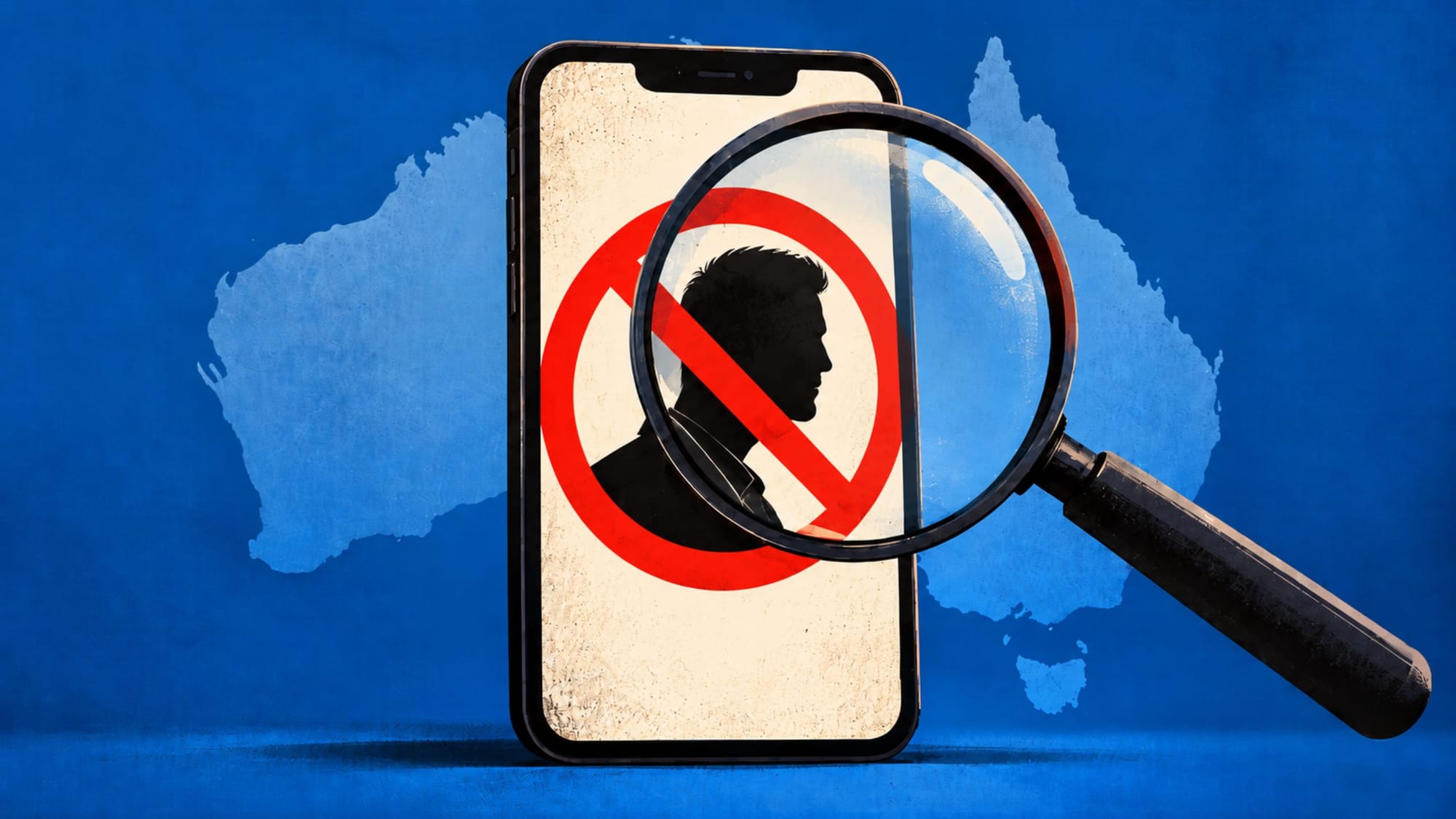
The Pennsylvania Supreme Court has a new definition of “reasonable expectation.” According to the justices, it’s no longer reasonable to assume that what you type into Google is yours to keep.
In a decision that reads like a love letter to the surveillance economy, the court ruled that police were within their rights to access a convicted rapist’s search history without a warrant. The reasoning is that everyone knows they’re being watched anyway.
The opinion, issued Tuesday, leaned on the idea that the public has already surrendered its privacy to Silicon Valley.
We obtained a copy of the ruling for you here.
“It is common knowledge that websites, internet-based applications, and internet service providers collect, and then sell, user data,” the court said, as if mass exploitation of personal information had become a civic tradition.
Because that practice is so widely known, the court concluded, users cannot reasonably expect privacy. In other words, if corporations do it first, the government gets a free pass.
The case traces back to a rape and home invasion investigation that had gone cold. In a final effort, police asked Google to identify anyone who searched for the victim’s address the week before the crime. Google obliged. The search came from an IP address linked to John Edward Kurtz, later convicted in the case.
It’s hard to argue with the result; no one’s defending a rapist, but the method drew a line through an already fading concept: digital privacy.
Investigators didn’t start with a suspect; they started with everyone. That’s the quiet power of a “reverse keyword search,” a dragnet that scoops up the thoughts of every user who happens to type a particular phrase.
The justices pointed to Google’s own privacy policy as a kind of consent form. “In the case before us, Google went beyond subtle indicators,” they wrote. “Google expressly informed its users that one should not expect any privacy when using its services.”
The court took that disclosure, buried in the fine print of a sprawling legal document, as proof that users had signed away their Fourth Amendment rights.
In another leap of reasoning, the opinion claimed that people could avoid creating data trails by choosing not to use the internet at all. “The data trail created by using the internet is not involuntary in the same way that the trail created by carrying a cell phone is,” the justices wrote.
It’s an argument that only works if you believe modern life offers meaningful alternatives to being online. The court’s logic suggests that using Google is a choice, like deciding whether to join a bowling league.
Viewed from a privacy perspective, the ruling reveals something deeper. By treating search history as a voluntary disclosure, the court framed internet use as a kind of public act.
That logic ignores how fully online search has replaced libraries, maps, and even conversation. Suggesting that users can “opt out” of surveillance is like telling citizens to avoid speech if they don’t want it overheard.