
Filippo Cestaro
Filippo Cestaro is a tech news writer with a strong focus on AI, machine learning, and big data. His interests include AI singularity and transhumanism. He is also a contributor to Scuba Zone Magazine and joined with the University of Milan to publish work on the psychology of scuba diving. [email protected]
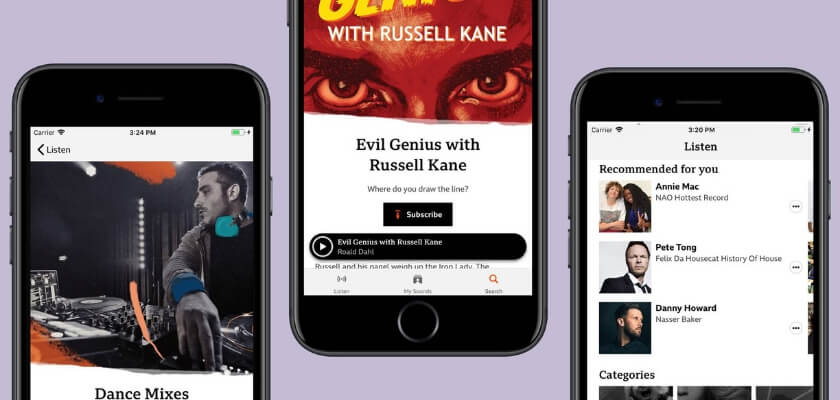
The UK Publicly Funded BBC Wants to Create a Public Service Algorithm” to Promote “Challenging” Content
The BBC’s want you to get out of your bubble.

China’s War on Wikipedia Now Extends to All Language
China’s block on Wikipedia continues. All languages are now blocked.

Australia Is Set to Be the Next Open Surveillance State
A China-style social credit is on the way to Australia, a new report suggests.

UK Police Facial Recognition Technology Only Works 4% of the Time
Police even scored a 100% misidentification rate in two separate instances.

Censoring the Press: Instagram Suspends Military and Veteran-Focused News Platform
Instagram is banning accounts at an unprecedented rate.

YouTube Copyright Trolls Could Face Lawsuit to Reclaim Millions in Damages
Rightsholders go after independent channels, ignoring the fact that fair use is valid.

Mozilla Says It’ll Delete Private Data After Last Weekend’s Add-Ons Disaster
Firefox is trying to earn back public trust after last weekend’s disaster.

Amazon’s Support of Censorship-Resistant “Domain Fronting” Is Likely Going to End
Amazon are responding to pressures from Russia and China.

Joe Biden Parody Website Is Ranking Above the Official Campaign Website in Google
When you search “Joe Biden” the official campaign is nowhere to be seen.
UK: The Centre for Data Ethics and Innovation Calls for Evidence on Online Targeting
The UK government wants more details on the extent of online tracking.

G Suite and Chromebooks for Schools Are Convenient but the Privacy Implications Haven’t yet Properly Been Discussed
Should an advertising company be trusted with kids’ data? Even if it says it doesn’t use that data for advertising purposes?

In Australia, Political Parties Are Exempt From Privacy Laws – And They’re Making the Most of It
Australians would be “disgusted” if they knew the data political parties were collecting.