
Filippo Cestaro
Filippo Cestaro is a tech news writer with a strong focus on AI, machine learning, and big data. His interests include AI singularity and transhumanism. He is also a contributor to Scuba Zone Magazine and joined with the University of Milan to publish work on the psychology of scuba diving. [email protected]

First of Its Kind: Australian Man Charged for “Revenge Porn”
This is the first person to be charged with such an offense in the country.

PornHub Wants to Buy Tumblr
Tumblr’s traffic tanked when they banned porn. PornHub is considering buying it to restore it to how it was before.

Facebook Is Working on Its Own Cryptocurrency
Facebook is getting into payments.

Russia’s Law to Close Off the Internet Has Just Gotten Approval
The firewall will be able to block all the forbidden sources: websites included in the national blacklists, instant messaging apps like Telegram, and VPN systems.
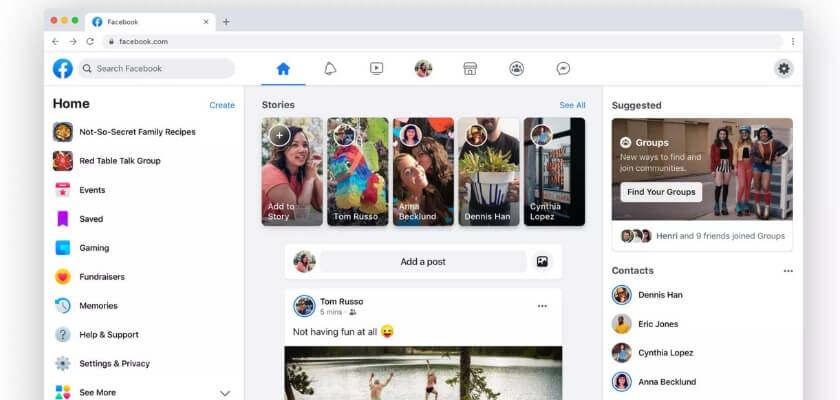
Facebook Could Be Forced to Create an Independent Privacy Committee in an Agreement With the FTC
Federally approved privacy officials could be on their way to Facebook’s board.

Soon You Can Use WhatsApp to Receive Two-Factor Authentication Codes
SMS has always been considered an insecure option for receiving codes. However, Facebook’s reputation with privacy has to be considered.

UK’s Advertising Watchdog Has Criticized NordVPN for Suggesting That Public Wi-Fi Is Inherently Insecure
An advertising watchdog in the UK thinks NordVPN is exaggerating how insecure public WiFi is.

Despite Apple’s Push to Be Associated With Privacy, 78% of People Still Don’t Trust Apple
Even though Apple has made a push towards privacy, 78% of people still don’t trust them.

New Zealand Man, Philip Arps, Pleads Guilty to Sharing Christchurch Shooting Video Online – Faces Up to 14 Years in Jail
Philip Arps, a Christchurch resident, pleaded guilty to two counts of distributing the Mosque shooting video. He faces up to 14 years in jail.

Professor Says He Lost His Job After Pushing Back Against Students Having to Pay to Submit Their Own Homework Through New Online Textbook Systems
It would seem though that the digital homework systems are here to stay. The advantage for the publishers is evident, as this would be the end of the used-books market.

Zuckerberg Warns Against Government’s Wanting to Store Their Citizens Data in Their Own Countries
Data localization laws are already being enforced by the Chinese and Russian governments, however, the increasing concerns towards privacy protection have extended this trend to more democratic countries.

Journalists and Activists Often Use Slack to Communicate. Nation States and Criminals Are Interested
Slack doesn’t offer end-to-end encryption. User’s discretion is advised.