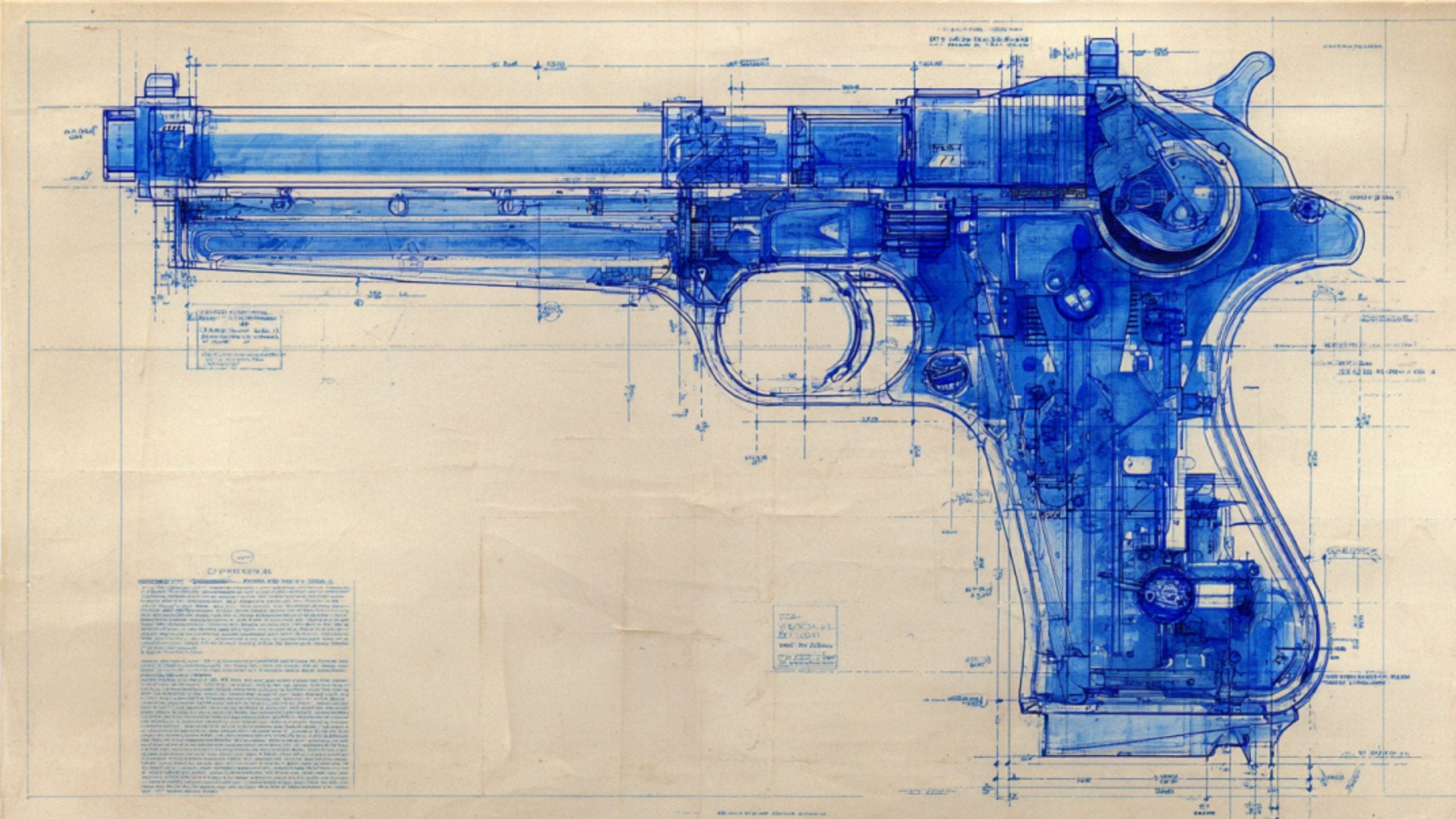
A lawsuit filed this week by California officials places online publishing itself under judicial scrutiny, asking a court to treat some shared digital files as a form of regulated weaponry rather than expressive material.
Attorney General Rob Bonta and San Francisco City Attorney David Chiu announced a civil action against Gatalog Foundation Inc. and CTRLPew LLC, accusing the two organizations of violating state law by making firearm-related computer code and instructions publicly accessible.
The case was filed in San Francisco County Superior Court.
We obtained a copy of the complaint for you here.
According to the complaint, the defendants host downloadable files and written guides covering more than 150 firearm designs.
State attorneys say these materials include instructions for producing ghost guns, machine gun conversion devices, including “Glock Switches,” and large-capacity magazines.
California’s theory is that by publishing and organizing these files online, the defendants enable people without manufacturing licenses to produce prohibited weapons inside the state.
“This groundbreaking lawsuit shows that our office is not bound by the old playbook. Similar to these defendants, we think creatively, but our aim is to protect public safety rather than obstruct it,” Bonta said.
He added:
“These defendants’ conduct enables unlicensed people who are too young or too dangerous to pass firearm background checks to illegally print deadly weapons without a background check and without a trace. This lawsuit underscores just how dangerous the ghost gun industry is and how much harm its skip-the-background-check business model has done to California’s communities.
“Thankfully, there is hope. We have made progress in addressing this threat in our state, and we will continue this good work.
“California is building a model for policymakers in other states and in Congress to comprehensively address the ghost gun crisis nationwide. I’m committed to continuing to prioritize efforts to protect Californians from an industry that skirts the law to arm people who never passed a background check with weapons designed to end life.”
Chiu emphasized the role of digital blueprints themselves, describing the publication of code as a public safety issue independent of any particular printed firearm.
“Gatalog is distributing blueprints for some of the world’s most dangerous and untraceable weapons,” Chiu said.
“Ghost guns bypass background checks and leave law enforcement no trail in violent crimes. Gatalog is illegally disseminating computer code that makes it quick, cheap, and easy for anyone, including teenagers, to 3D-print ghost guns and convert firearms into machine guns. They are making it easier to put guns in the hands of dangerous individuals, including those barred from owning a firearm. We’re asking the Court to stop Gatalog’s illegal distribution of ghost gun blueprints, which makes us all less safe.”
The state’s allegations extend beyond file distribution. Prosecutors say the defendants publish detailed printing tutorials, operate submission systems where designers can upload and test weapon-related files, sell branded merchandise, and solicit donations.
California argues that these activities together amount to promoting and facilitating unlawful firearm manufacturing, even though the materials involved consist of digital information.
That framing places the case squarely within long-running debates over speech and liability.
The files at issue are computer code and written instructions, categories of information that courts have repeatedly recognized as expressive.
The state’s approach seeks to attach legal consequences to publication based on how third parties might later use that information.
California officials contend that ghost guns, defined under state law as unserialized firearms made by unlicensed individuals, present a growing enforcement problem.
The Attorney General’s office points to reports from the California Department of Justice’s Office of Gun Violence Prevention to justify expanding legal pressure on what it describes as an emerging industry built around privately made firearms.
The outcome will shape how far governments can go in treating the circulation of knowledge as a regulated activity.