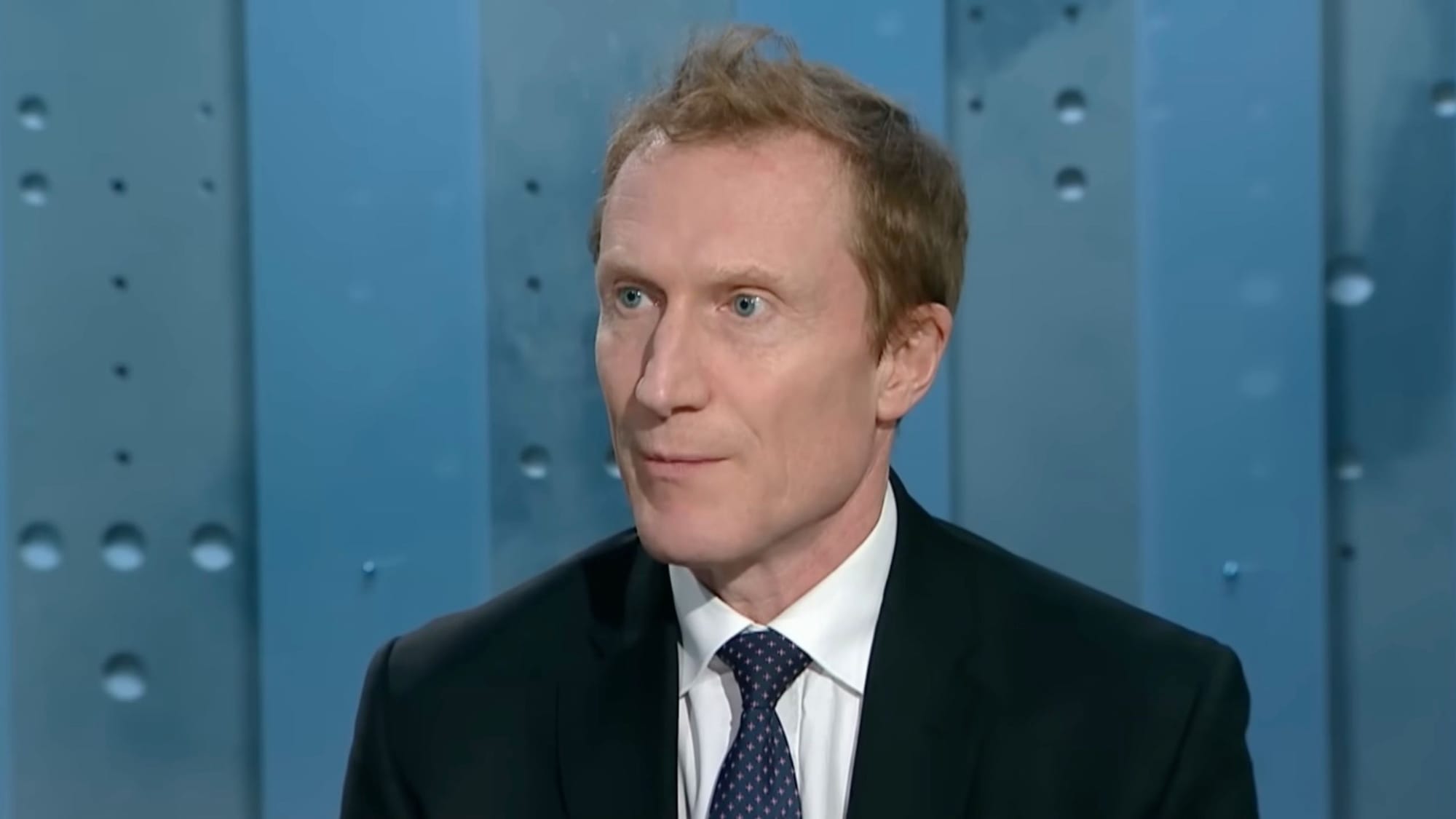
Canada’s "Identity Minister" Marc Miller says he would “absolutely consider” expanding the scope of the digital censorship bill, C-34, to include gaming platforms such as Roblox and Discord, that are currently not covered by the proposed under-16 social media account ban.
Miller told Canada’s The Globe and Mail that he would consider making the changes through regulations, and mentioned “proper age verification” and “having proper parental controls for a certain age group.”
The minister’s comments came in the context of the bill, that was sold to the public as a way to ban under-16s from social media, but which Miller now says can be expanded by a cabinet order.
Miller referred to gaming platforms as “a different beast – a menacing one at that,” and said that some of them “allow kids to interact with adults” – which he said was concerning “with all the more than anecdotal stories that we are hearing about predation and sexual exploitation in particular.”
Miller said that in meetings with gaming industry representatives, he told them, “The more you start to behave in that way, the more you attract regulation,” and, “And certainly all signs are indicating that they should be.”
He also said that the bill lets the government “carve in certain aspects of gaming through an OIC [Order in Council] process.”
In the interview, he also mentioned that parents want “making sure that we are getting rid of some of the most basic toxic features that are creating the space for predators to thrive,” and added, “There are ways to make it safe, and so I think that’s something that we, I think, [are] very open to having it looked at, and I’m looking forward to having it looked at committee.”
Miller also spoke at an Ottawa conference organized by OpenMedia and the National Council of Canadian Muslims, where he said, “Platforms will be able to seek an exemption only if they can show that they have sufficient safeguards in place to protect children.”
The bill was introduced in June and is currently at the second reading stage in the House of Commons. Its summary says that it “authorizes the Governor in Council to make regulations to make the operators of other online services subject to the duty to protect children and the duty to be transparent.”
The provision is contained in section 5, which allows the cabinet, on the recommendation of the new Digital Safety Commission, to create categories of online services it decides “pose a significant risk of harm to children in Canada.”
The bill already contains the obligation for covered social media to implement “adequate age-verification or age-estimation measures designed to prevent a person under the age of 16 from being able to have an account with, or be otherwise registered with, the service.”
The Digital Safety Commission, which will be established if the bill becomes law, can exempt a service if “the operator provides adequate safeguards in the regulated social media service for the protection of children.”
Miller is not the only one who would like to see the scope of the bill widened to include gaming platforms.
Meta’s Jill Briggs told the Globe that the under-16 ban “is going to happen whether we want it or not” and added, “We want to see broad scope,” “We want it to apply to all the spaces where kids are so they don’t move to unregulated platforms.”
In the second reading debate last week, Conservative heritage critic Rachael Thomas also brought up the issue of gaming platforms.
In November 2025, Little Warriors’ Wanda Polzin Holman told the Heritage committee that “Very few parents understand that when their child is playing Roblox, for example, they can have access to friends online who may be 60-year-old adults posing as 12-year-olds.”
At the same hearing, professor Daniel Clark said, “Honestly, I don’t think age verification is really going to help us here, beyond a point.”
Liberal MP Fares Al Soud shared that he was “part of a generation that has notoriously found ways around age verification processes.”
When C-34 was first tabled, Reclaim The Net reported that in order to make sure a user is not under 16, a platform must check the age of every user. In Canada, people most commonly prove their age with a government-issued ID, or submit to face-based age estimation.
In the US, Florida’s AG is suing Discord for not checking ages and for not scanning private messages, which it says “apply only to images and videos. They do not scan text messages, voice, or calls.” Texas wants every Discord user to have their age verified, while Louisiana’s AG sued Roblox and posted on X, “Big Tech platforms must get on board with age verification laws.”
Roblox already uses face scans on users of its voice or text chat, while Discord had about 70,000 government ID images leaked through a support vendor in October 2025.
The ban was never going to stay put: the bill was written in such a way that cabinet can add services to be covered by it by way of regulation, and now the minister has said which ones are next. And it’s not only him: Meta is also asking for the scope to be expanded.
Age checks on gaming accounts mean that every user, including adults, will have to provide their ID or undergo a face scan to play on platforms that have already leaked ID documents.
And it can all be done by an order in council – without the need for the Parliament to vote on which online services Canadians must show their papers to use.