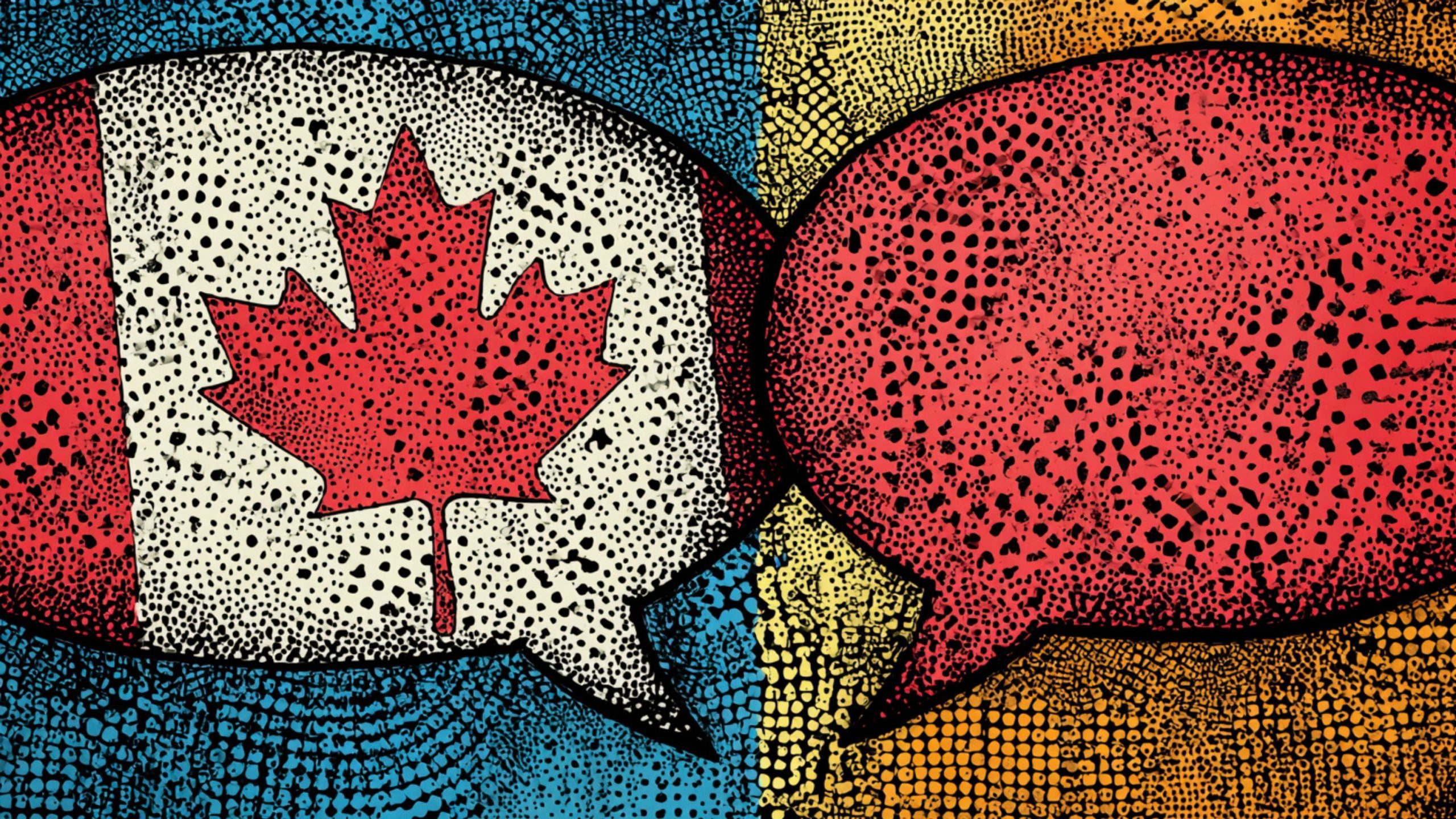
Canada’s Liberal government is preparing to revive legislation that would hand the state new powers over what Canadians can say online, with Prime Minister Mark Carney’s team signaling that a rebooted “online harms” law is coming.
A report submitted to the Senate social affairs committee confirms the direction.
The Department of Industry told senators that Ottawa is working toward a “future online safety regime” aimed at reducing online “harms,” a category the government itself gets to define. To shape the proposal, officials have brought back the Expert Advisory Group on Online Safety, the same body that helped design the previous censorship attempt.
“To advise on this proposal, the government has recently reconvened the Expert Advisory Group on Online Safety, whose members previously contributed to the development of online harms legislation, to engage on new and emerging issues related to online harms,” the department said.
“Any future legislative proposal would be subject to parliamentary scrutiny, and details will be made public at the appropriate time.”
One of the members back at the table is Bernie Farber of the Canadian Anti-Hate Network. The advisory group helps shape what the government will treat as hateful, harmful, or dangerous.
That definition, once written into law, determines which posts get deleted, which accounts get silenced, and which Canadians face fines or house arrest for saying the wrong thing online.
Canadian Culture Minister Marc Miller telegraphed the timing this week, suggesting a new law targeting “online harms” is needed and likely coming soon. With the Liberals now holding a majority after three byelection wins and the defection of five MPs from the Conservatives and NDP, the procedural obstacles that killed previous attempts have largely disappeared. A social media ban for children is also on the table.
The last attempt, Bill C-63, known as the Online Harms Act, was introduced under the familiar justification of protecting children from online exploitation.
The bill died when former Prime Minister Justin Trudeau called the 2025 federal election. Its actual reach went well beyond child safety. It targeted lawful internet content that authorities deemed “likely to foment detestation or vilification of an individual or group,” wording broad enough to sweep up political argument, satire, religious commentary, and journalism, depending on who was reading it. Breaking the rule carried fines of up to $70,000 or house arrest.
Before C-63 there was Bill C-36, a 2021 effort to amend the Criminal Code along similar lines. Neither bill made it through. Both kept returning in slightly different forms.
The Justice Centre for Constitutional Freedoms, Canada’s leading constitutional freedom organization, has launched a national campaign urging the Carney government to abandon the project entirely.
The JCCF warned that the Online Harms Act would “dramatically expand government censorship powers, punish lawful expression online, and authorize preemptive restrictions on individual liberty.”
“In doing so, it would represent a fundamental departure from Canada’s long-standing commitment to freedom of expression and due process,” the organization said.
Preemptive restrictions, the legal mechanism the previous bill contained, mean punishing or silencing someone before they have said anything unlawful. Canadian courts have historically treated prior restraint as the most serious form of speech suppression. The revived framework appears to contemplate it as a feature.
The chilling effect is already setting in. Writers, commentators, and small publishers in Canada began adjusting what they posted during the C-63 debate, well before any law took effect. The threat alone was enough to quiet a portion of online political speech.
A reintroduced bill, backed by a majority government and an advisory panel stacked with people who see the internet as a venue that needs controlling, makes that quieting louder.
The Liberal government has said repeatedly that some version of Bill C-63 is coming back. What it has not said, in any substantive form, is who decides what counts as hate, what counts as harm, and what counts as the kind of speech a democracy is supposed to tolerate even when it finds it ugly. Those definitions will sit with the same government promising the law, and the same advisory group promising to help write it.