
EU Launches Age Verification App
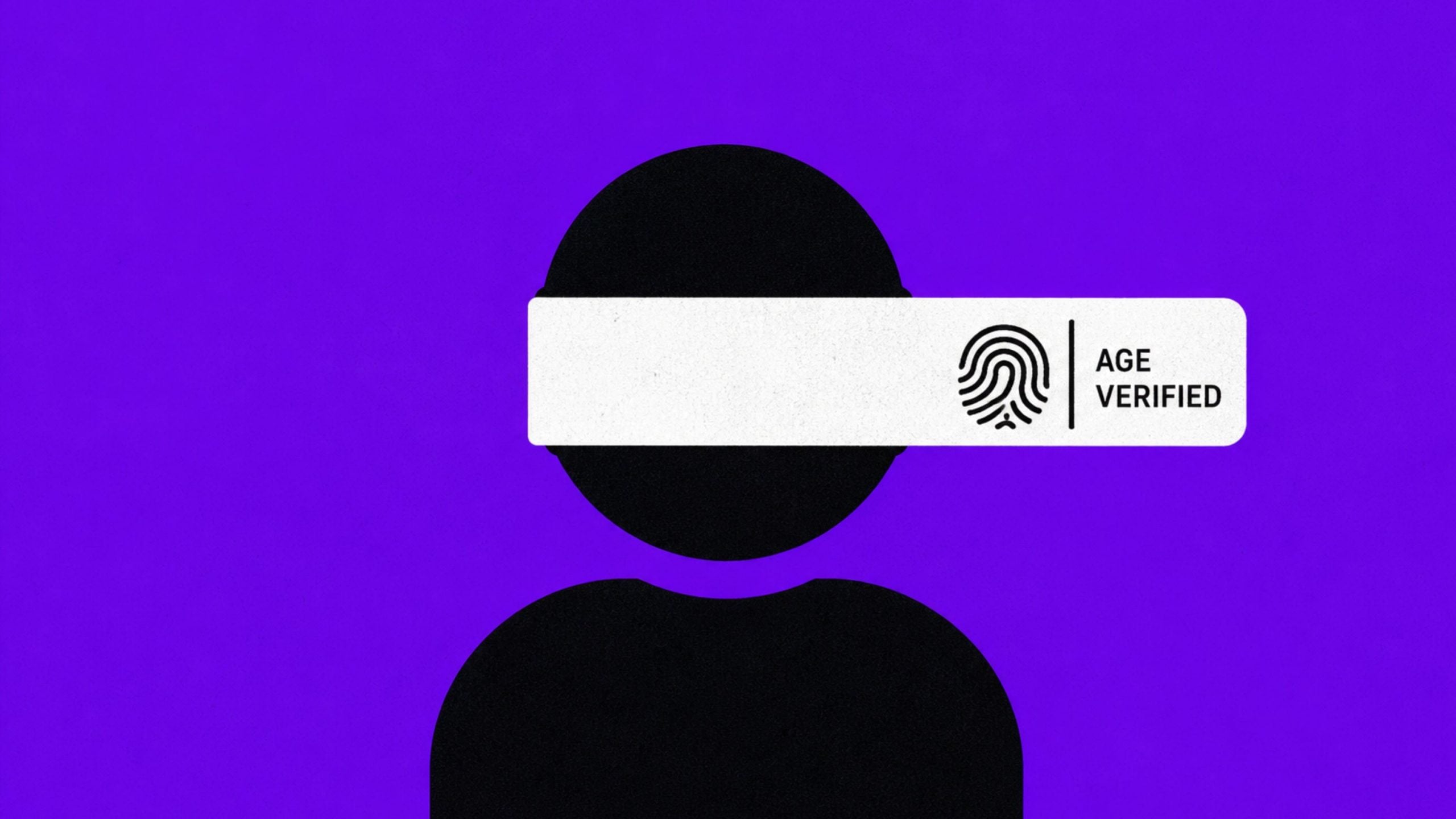
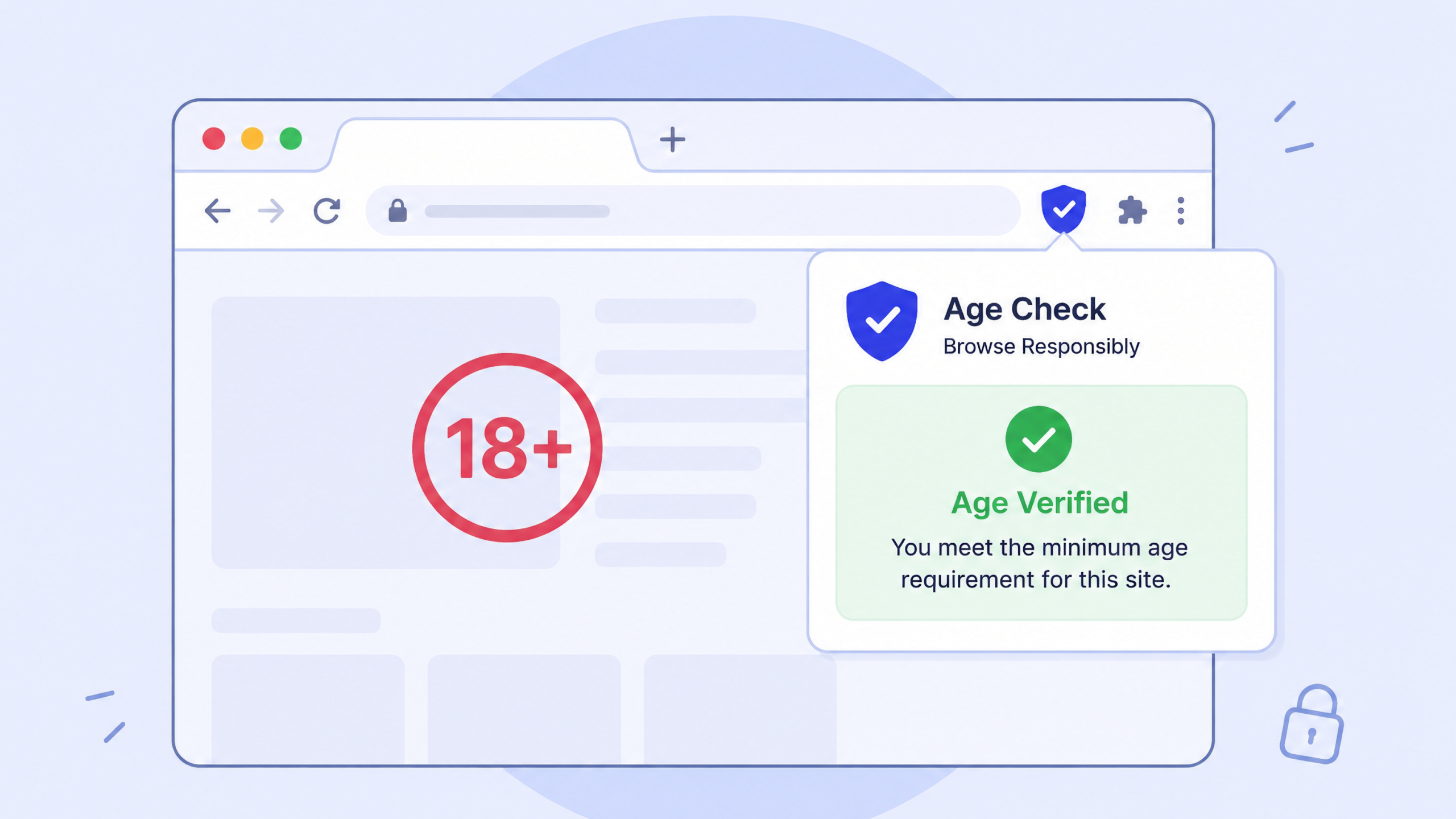
The Commission built the app on the same architecture as its planned continental digital identity wallet. That’s not a coincidence.

The Commission built the app on the same architecture as its planned continental digital identity wallet. That’s not a coincidence.

The First Amendment was designed to prevent exactly this; a law that punishes speech before any court decides whether it was harmful.

Every agency involved had the information to stop the Southport attacker, and the inquiry’s answer is to track what the entire country browses, buys, and whether they use a VPN.

A California judge just decided who gets to use ChatGPT, and the person banned from it wasn’t even in the courtroom.

Turkey’s government just found a way to put a national ID card on every tweet, post, and comment its citizens make online.

Ofcom now sends the bill for policing the internet directly to the companies being policed, and the meter just started running.

The government lost its case in open court, so it moved the whole thing behind closed doors.

AI’s lawsuit against Colorado doubles as the first major courtroom test of whether the government can tell an AI what opinions to have.

A British regulator bypassed every formal legal treaty and just emailed American companies into compliance, and 98% of them apparently obliged.

A parliamentary committee just proposed giving a GCHQ-adjacent agency the power to decide which speech counts as a national security threat.

The bill makes no distinction between a fake video designed to suppress votes and a satirical meme poking fun at the premier.

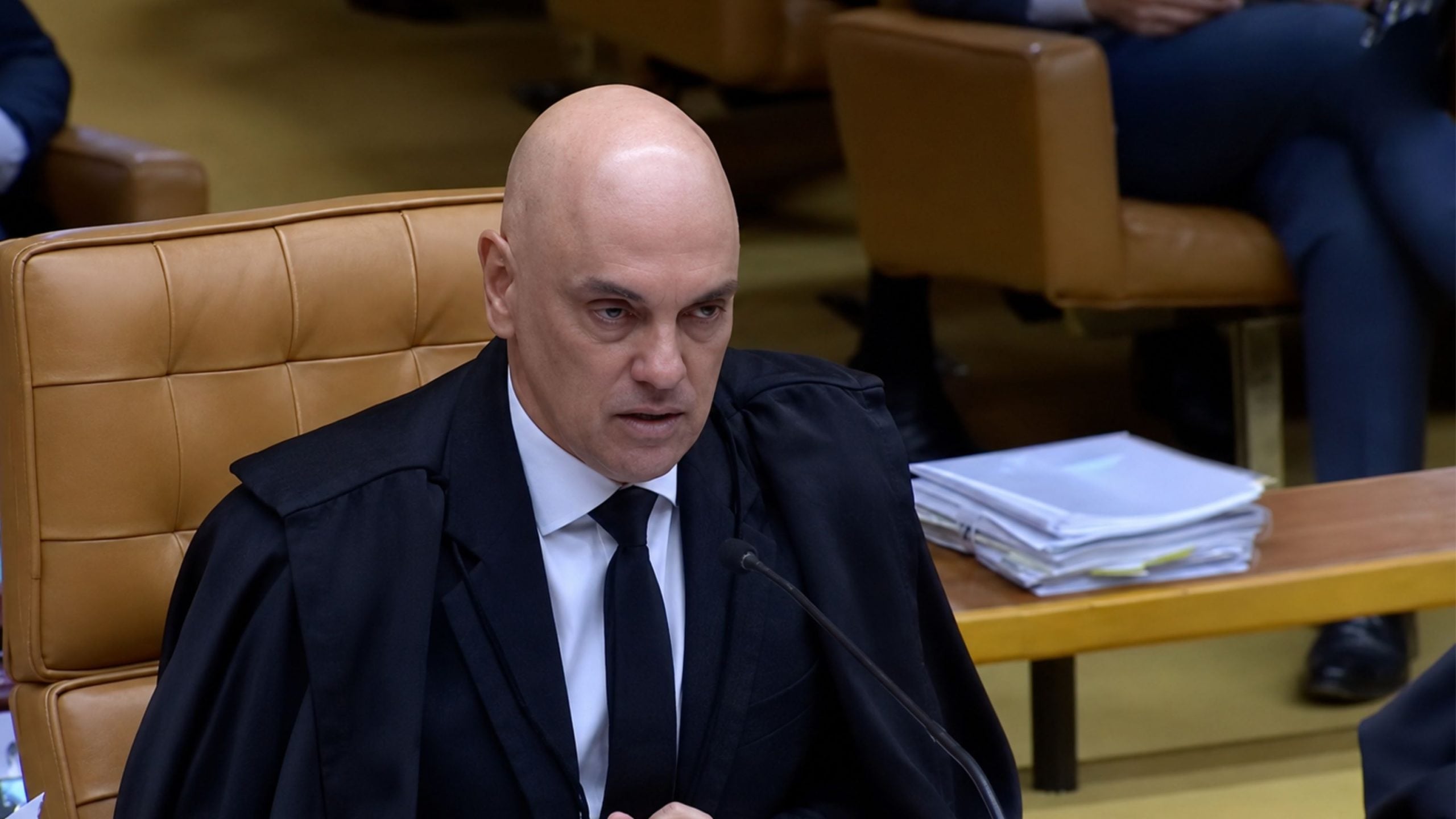
A Brazilian judge has been ordering American tech companies to delete American speech for five years, and a new congressional report finally shows the receipts.

The app that needs no internet, no servers, and no user accounts turned out to be exactly the kind of thing Beijing can’t let exist.

Courts and civil liberties groups have spent years warning that the DMCA’s subpoena process is a censorship shortcut disguised as copyright enforcement.

After centuries of prosecuting people for what they say, Britain may be closer than it has ever been to making free speech an actual legal right.

The British government scraps non-crime hate incidents. The replacement system does everything the old one did, just with a fresher coat of bureaucratic paint.

A federal agency spent taxpayer money telling Americans which news outlets to trust, and it took three years of litigation to make it stop.

A blueprint for a nation starving for a taste of freedom.

Germany’s draft deepfake law under Justice Minister Stefanie Hubig could criminalize political memes with up to two years in prison.

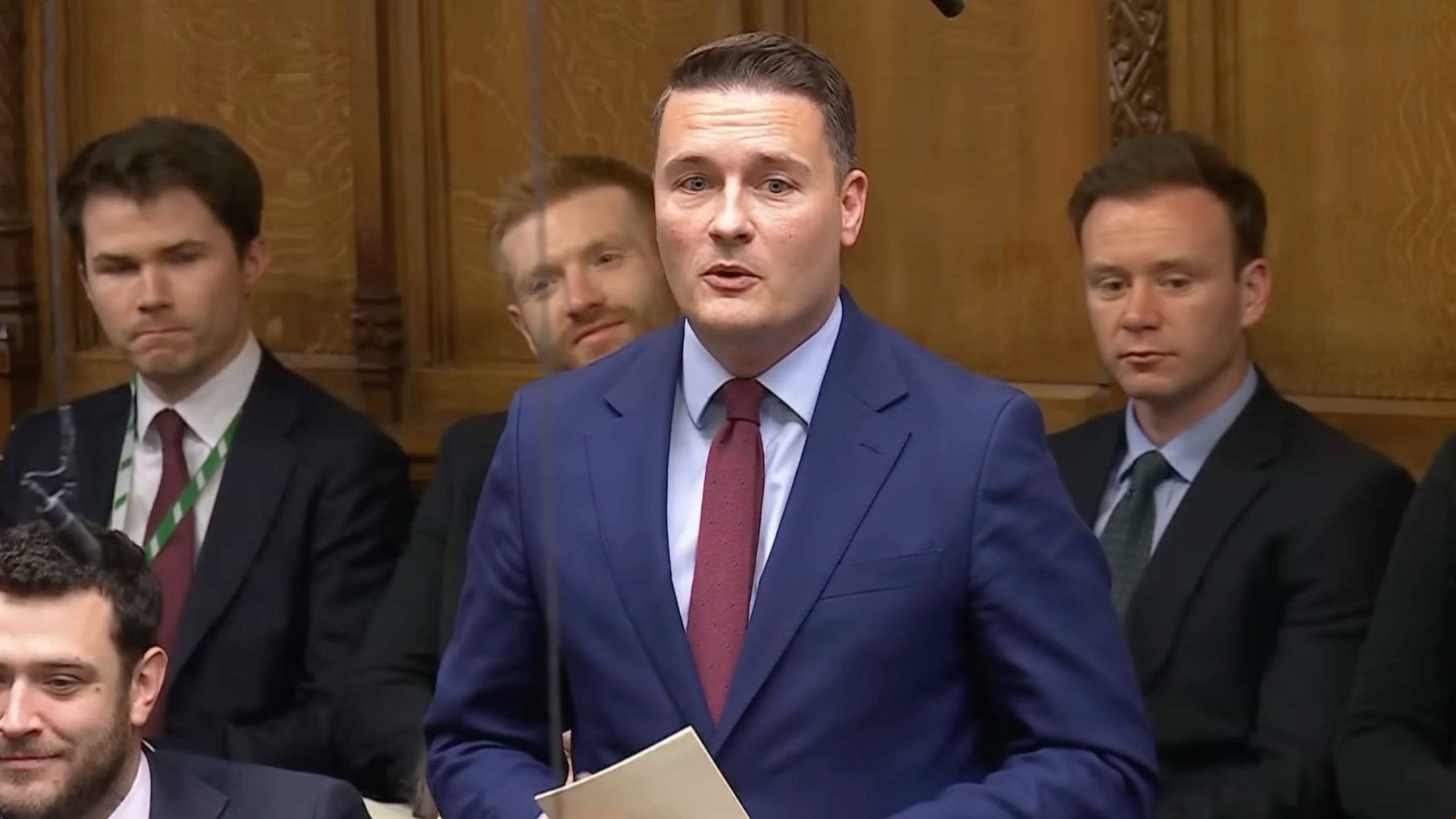
The British Prime Minister sketches a future where online speech rules update as routinely as tax bracket, with scrutiny treated as an obstacle rather than a safeguard.

A 67-year-old retired teacher who’s owned Apple products since 2009 now has her web browsing filtered because she pays for everything with a debit card.

The FTC just told the four companies that move America’s money to stop picking sides, without actually doing anything about it yet.

How Big Tech and politicians built a digital ID system for everyone while pretending to fight each other.

Supreme Court unanimously rules Cox Communications not liable for subscriber piracy in Sony Music Entertainment case.

The Commission built the app on the same architecture as its planned continental digital identity wallet. That’s not a coincidence.

The First Amendment was designed to prevent exactly this; a law that punishes speech before any court decides whether it was harmful.

Every agency involved had the information to stop the Southport attacker, and the inquiry’s answer is to track what the entire country browses, buys, and whether they use a VPN.

A California judge just decided who gets to use ChatGPT, and the person banned from it wasn’t even in the courtroom.

Turkey’s government just found a way to put a national ID card on every tweet, post, and comment its citizens make online.

Ofcom now sends the bill for policing the internet directly to the companies being policed, and the meter just started running.

The government lost its case in open court, so it moved the whole thing behind closed doors.

AI’s lawsuit against Colorado doubles as the first major courtroom test of whether the government can tell an AI what opinions to have.

A British regulator bypassed every formal legal treaty and just emailed American companies into compliance, and 98% of them apparently obliged.

A parliamentary committee just proposed giving a GCHQ-adjacent agency the power to decide which speech counts as a national security threat.

The bill makes no distinction between a fake video designed to suppress votes and a satirical meme poking fun at the premier.

A Brazilian judge has been ordering American tech companies to delete American speech for five years, and a new congressional report finally shows the receipts.

The app that needs no internet, no servers, and no user accounts turned out to be exactly the kind of thing Beijing can’t let exist.

Courts and civil liberties groups have spent years warning that the DMCA’s subpoena process is a censorship shortcut disguised as copyright enforcement.

After centuries of prosecuting people for what they say, Britain may be closer than it has ever been to making free speech an actual legal right.

The British government scraps non-crime hate incidents. The replacement system does everything the old one did, just with a fresher coat of bureaucratic paint.

A federal agency spent taxpayer money telling Americans which news outlets to trust, and it took three years of litigation to make it stop.

A blueprint for a nation starving for a taste of freedom.

Germany’s draft deepfake law under Justice Minister Stefanie Hubig could criminalize political memes with up to two years in prison.

The British Prime Minister sketches a future where online speech rules update as routinely as tax bracket, with scrutiny treated as an obstacle rather than a safeguard.

A 67-year-old retired teacher who’s owned Apple products since 2009 now has her web browsing filtered because she pays for everything with a debit card.

The FTC just told the four companies that move America’s money to stop picking sides, without actually doing anything about it yet.

How Big Tech and politicians built a digital ID system for everyone while pretending to fight each other.

Supreme Court unanimously rules Cox Communications not liable for subscriber piracy in Sony Music Entertainment case.