
Roblox Loses 12M Daily Users After Age ID Check Rollout
Half the user base is now living on a degraded version of the platform until they hand over biometric data.

Half the user base is now living on a degraded version of the platform until they hand over biometric data.

Every American who wants to ask a chatbot for help would need to upload a government ID, scan their face, or hand over a financial record first.

The 45-day extension passed without anyone being allowed to read the secret court ruling that found constitutional violations in how the program operates.

The unanimous decision revives a fight over donor lists that the Court has been losing patience with since 1958.

The remedies sought would end pseudonymous AI use and wire every ChatGPT conversation to a permanent law enforcement pipeline.

The reforms add paperwork and prison time for misuse, but they leave the part everyone has fought about for two decades exactly where it was.

Brussels wants every member state shipping its age verification app by year’s end, three months after a security researcher cracked it in under two minutes.

The verification system needed to keep teenagers off Instagram happens to be the same one needed to track everyone else.

The planned law privileges the biggest publishers.

Brussels wants the data shared at the same speed Google reads it itself, to recipients the proposal hasn’t finished naming.

Apple’s age verification rollout arrives without fanfare for a reason.

Lawton, OK, just gave twenty-six officers the keys to a database its residents never agreed to join.

Putin’s defense of internet blackouts confirms what Russians already suspected: the off switch belongs to the security services now.

Colorado’s AI law tells developers which kinds of discrimination the state likes and which it doesn’t, and the First Amendment may have something to say about that.

The promise of secure custodianship has failed 198 times in eleven months, and the volunteers who signed up in 2006 cannot take their DNA back.

The Chancellor who calls himself a defender of democratic norms now has roughly 300 prosecutors working to protect his feelings.

The stolen files include everything an identity thief would want and nothing Eurail ever needed to sell a rail ticket.

The silent handoff from your bank, your carrier, and your ISP to the federal government would finally stop happening behind your back.

The breach puts roughly a third of France’s population on a criminal forum just as the government lobbies for mandatory digital IDs.

Describing a Godzilla movie in too much detail is now worth eighteen months in a Japanese prison.

Ankara wants a VPN market where “approved” means logged and “unlicensed” means illegal, leaving Turkish users a choice between surveillance and a criminal record.

California’s new bills would let state lawmakers define, by statute, exactly how agreeable a chatbot is allowed to be.

The regulator’s list of duties runs far beyond child safety into foreign interference, false communications, and public-order speech.

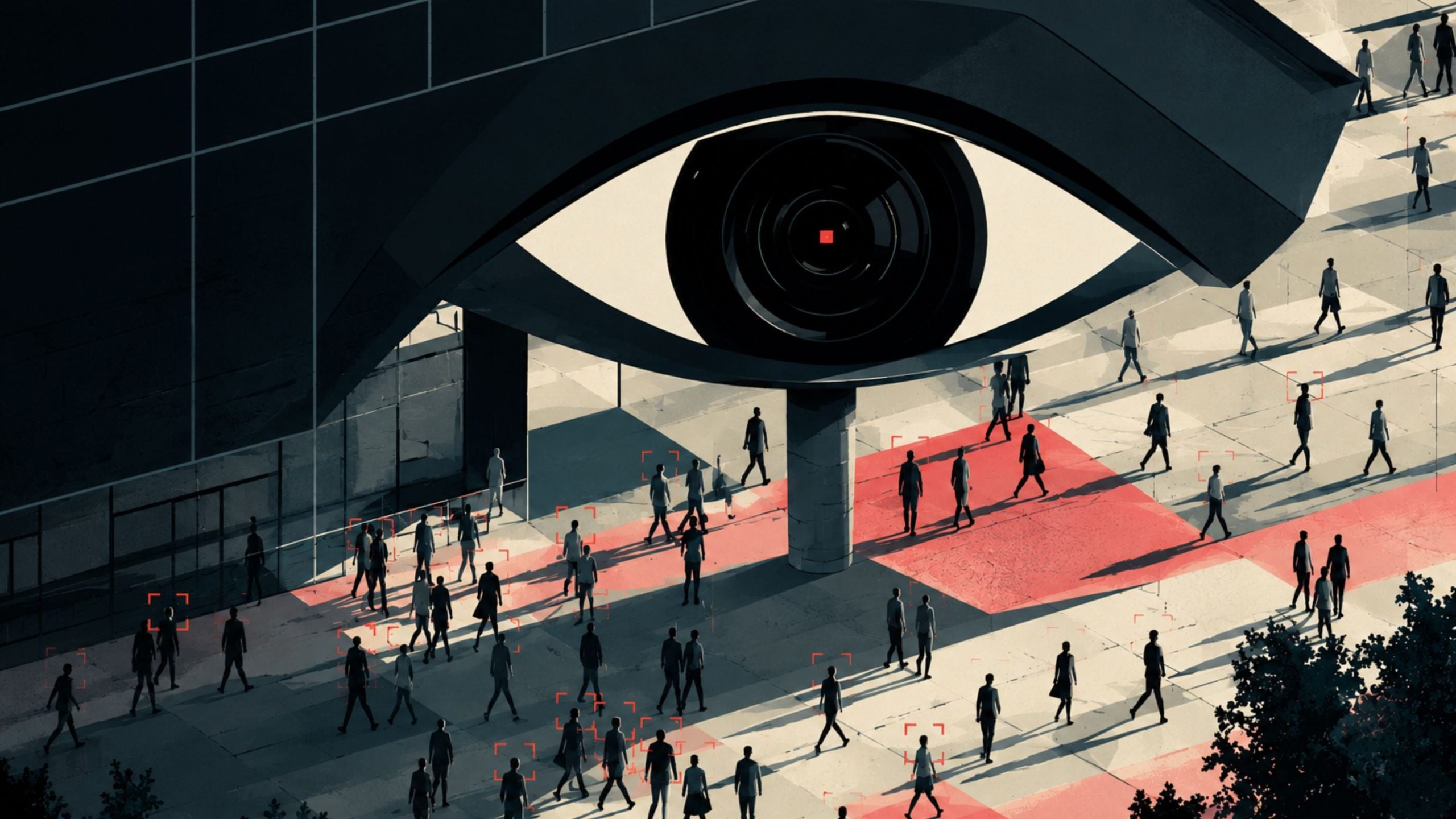
The policy that turns every Oxford Street shopper into a biometric template just got the judicial nod its architects were waiting for.

Half the user base is now living on a degraded version of the platform until they hand over biometric data.

Every American who wants to ask a chatbot for help would need to upload a government ID, scan their face, or hand over a financial record first.

The 45-day extension passed without anyone being allowed to read the secret court ruling that found constitutional violations in how the program operates.

The unanimous decision revives a fight over donor lists that the Court has been losing patience with since 1958.

The remedies sought would end pseudonymous AI use and wire every ChatGPT conversation to a permanent law enforcement pipeline.

The reforms add paperwork and prison time for misuse, but they leave the part everyone has fought about for two decades exactly where it was.

Brussels wants every member state shipping its age verification app by year’s end, three months after a security researcher cracked it in under two minutes.

The verification system needed to keep teenagers off Instagram happens to be the same one needed to track everyone else.

The planned law privileges the biggest publishers.

Brussels wants the data shared at the same speed Google reads it itself, to recipients the proposal hasn’t finished naming.

Apple’s age verification rollout arrives without fanfare for a reason.

Lawton, OK, just gave twenty-six officers the keys to a database its residents never agreed to join.

Putin’s defense of internet blackouts confirms what Russians already suspected: the off switch belongs to the security services now.

Colorado’s AI law tells developers which kinds of discrimination the state likes and which it doesn’t, and the First Amendment may have something to say about that.

The promise of secure custodianship has failed 198 times in eleven months, and the volunteers who signed up in 2006 cannot take their DNA back.

The Chancellor who calls himself a defender of democratic norms now has roughly 300 prosecutors working to protect his feelings.

The stolen files include everything an identity thief would want and nothing Eurail ever needed to sell a rail ticket.

The silent handoff from your bank, your carrier, and your ISP to the federal government would finally stop happening behind your back.

The breach puts roughly a third of France’s population on a criminal forum just as the government lobbies for mandatory digital IDs.

Describing a Godzilla movie in too much detail is now worth eighteen months in a Japanese prison.

Ankara wants a VPN market where “approved” means logged and “unlicensed” means illegal, leaving Turkish users a choice between surveillance and a criminal record.

California’s new bills would let state lawmakers define, by statute, exactly how agreeable a chatbot is allowed to be.

The regulator’s list of duties runs far beyond child safety into foreign interference, false communications, and public-order speech.

The policy that turns every Oxford Street shopper into a biometric template just got the judicial nod its architects were waiting for.