Privacy
Stories
Tony Blair Institute Hosts Controversial Panel on Health Data Commercialization
Speakers push for controversial health data commercialization and surveillance measures.
- Members
Ditch Spotify and Apple Music With This Private, Self-Hosted App for Streaming Music and Other Audio Content From Any Device
Own your music and avoid ongoing subscriptions.
Europol Seeks to Break Mobile Roaming Encryption
Europol’s push for easier access to encrypted data raises concerns over privacy and potential overreach.
EU Commission Urges Digital ID, E-Health Records, and Touts “Anti-Disinformation” Efforts in Digital Decade Report
Critics warn that increased regulation under the guise of combating “disinformation” may stifle free speech.
Rise in Stolen Singaporean ID Data Shows the Dangers of Digital ID
Sensitive biometric data of Singaporeans sold on dark web amid significant increase in cybercriminal activity.
Meta Defends Charging Users for Privacy
Critics argue the proposal violates users’ rights to consent and data privacy.
Mississippi’s Age-Verification Digital ID Law Is Declared Unconstitutional
A First Amendment violation.
Australia’s Chief Censor to Force Online Digital ID Within Six Months
Critics argue the move could destroy online anonymity and compromise physical safety under various regimes.
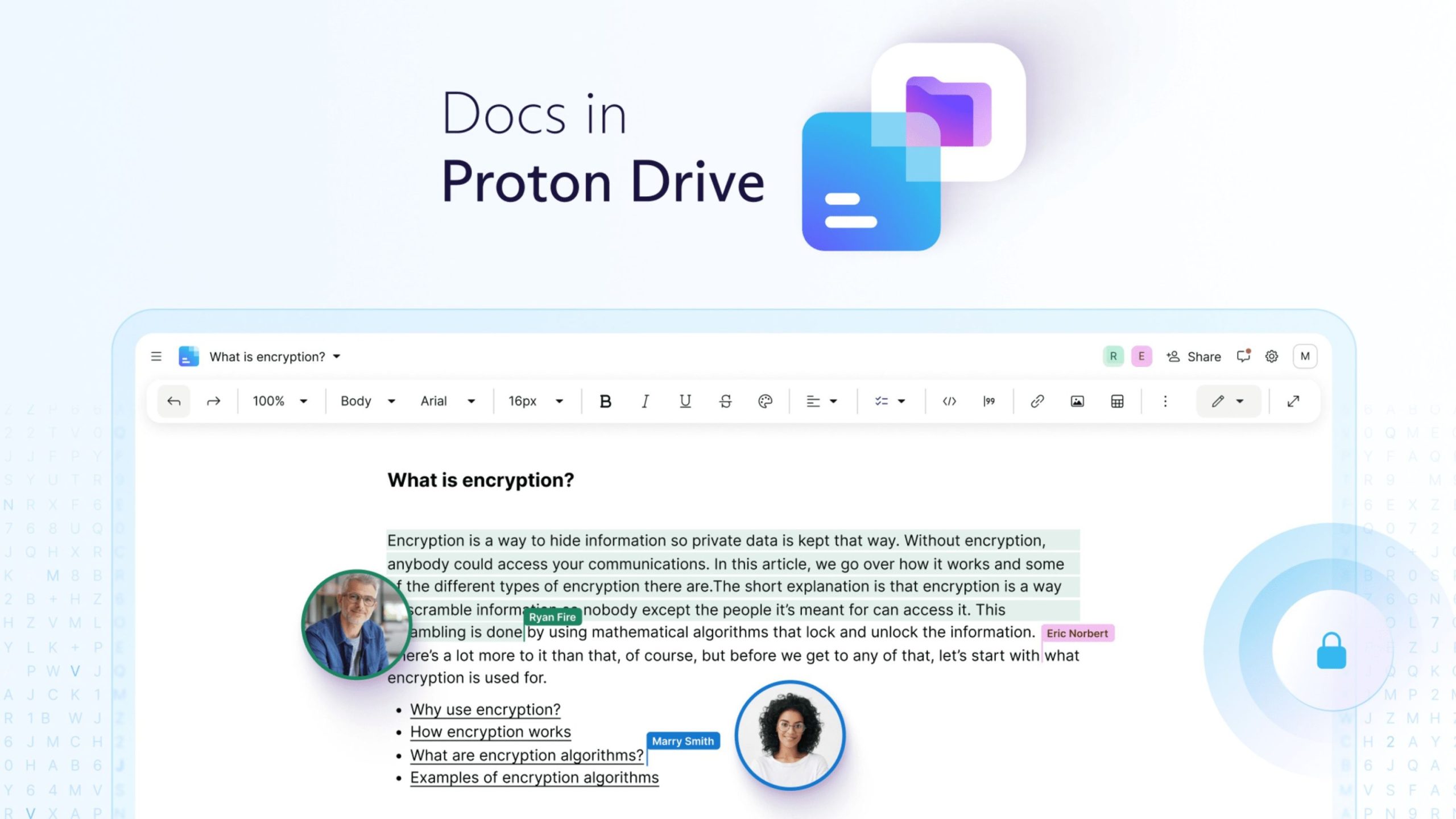
Proton Docs Debuts: A New Era of Encrypted Productivity
Proton Docs debuts as the encrypted alternative to Google Docs, setting new standards in privacy and functionality.
- Members
The Dark Side of Wi-Fi Positioning: How Our Gadgets Became Silent Stalkers
While enhancing navigation accuracy, WiFi Positioning Systems’ extensive data collection poses significant risks for user privacy and potential misuse by unauthorized entities.
Supreme Court to Hear Challenge to Texas’ Online Digital ID Mandate
Legal challenge argues First Amendment infringement and raises privacy concerns over mandatory personal data disclosure.
Unveiling the Brennan-Clapper Files: How January 6 Shifted Surveillance Powers
Documents reveal intelligence policies shifted to target religious groups, military members, and Trump supporters.