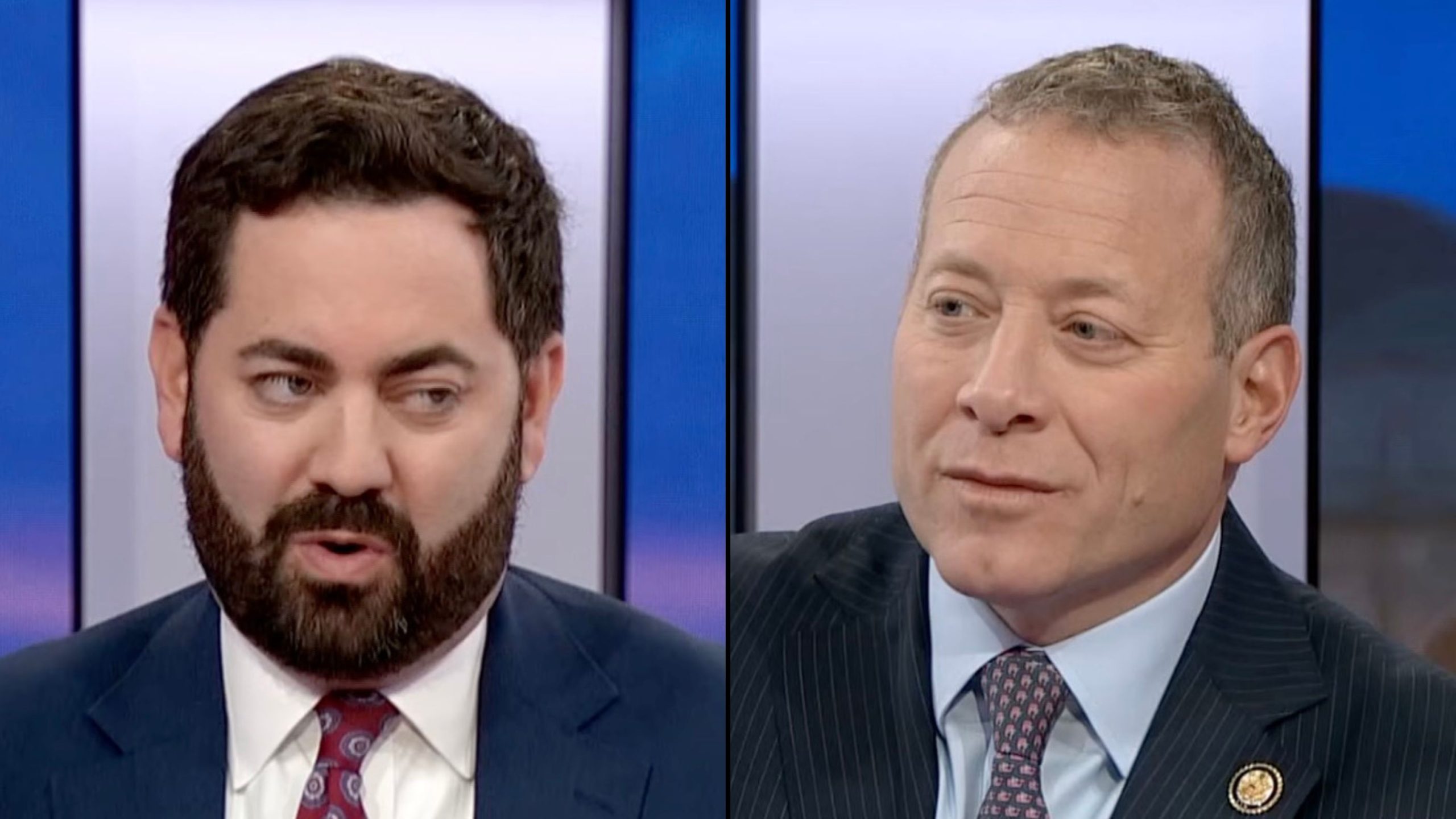
Two members of Congress have introduced a resolution pressuring social media and streaming platforms to deplatform two specific online commentators by name.
Reps. Josh Gottheimer (D-N.J.) and Mike Lawler (R-N.Y.) filed H.Res.123, calling on tech companies to take “appropriate steps to enforce their policies against hate speech and prevent the spread of antisemitic content.”
The two people the resolution singles out are Hasan Piker, a popular Twitch streamer, and Candace Owens, a popular political podcaster.
The resolution arrives wrapped in language about combating antisemitism but it is nevertheless, a direct governmental push to deplatform commentary.
The resolution claims antisemitic incidents have “significantly increased, including a 344 percent increase over the past 5 years, and [an] 893 percent increase over the past 10 years” and identifies online platforms as “a major vector for the spread of such hatred.”
The fix, in the lawmakers’ framing, runs through corporate content rules.
Lawler issued a statement laying out the case against each one. “Piker has openly applauded Hamas’ terrorism, downplayed the mass rape of civilians on October 7th, and dehumanized Orthodox Jews as ‘inbred,'” Lawler said.
“Owens has trafficked in vile conspiracy theories, promoted blood libels, and platformed Holocaust deniers.”
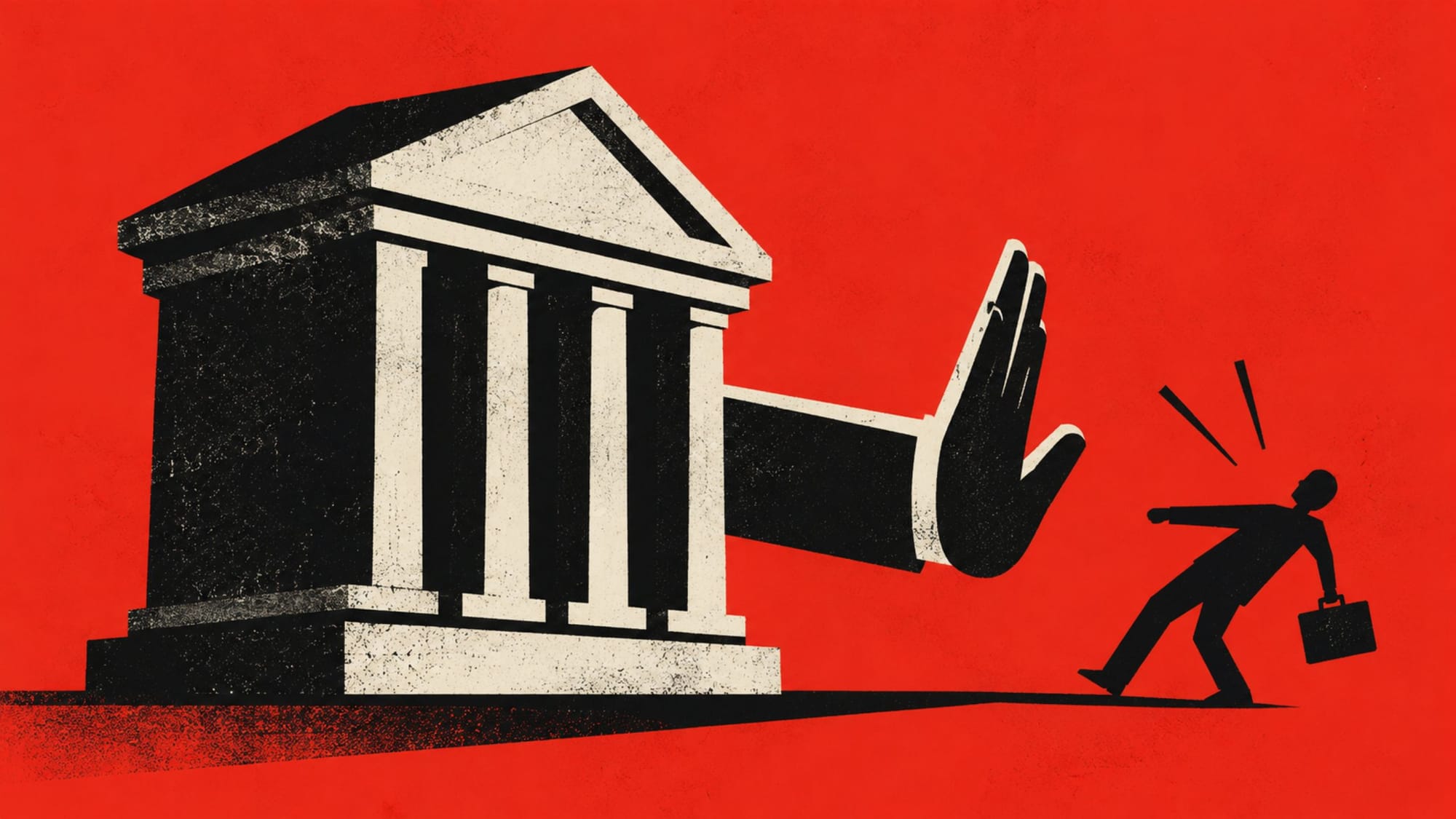
Whether you find those characterizations fair or not isn’t really the question. The question is what happens when sitting members of Congress use a House resolution to identify specific American citizens by name and ask private companies to remove their speech. There is a word for that mechanism. The Supreme Court has spent most of the last year wrestling with versions of it under the heading of jawboning.
Gottheimer offered the moral framing. “Hatred is hatred, period,” he said. “We must stand up and speak out. I get that speaking up is not easy, but our constituents didn’t elect us to always take the easy path. That’s what principled leadership is all about.”
Last year, Senate Democrats introduced their own resolution condemning Nick Fuentes and Tucker Carlson after Carlson interviewed Fuentes on his podcast.
Every round picks new names but the idea stays the same. Congress identifies disfavored speakers, frames their speech as a category of harm that platforms have a duty to address, and lets corporate moderation do the work the First Amendment forbids the government from doing directly.
The resolution itself is non-binding. Its purpose is to send a signal to platforms about which voices Congress would prefer to see disappear, with the implicit understanding that the lawmakers asking now will be the same ones writing rules later if the platforms don’t oblige.