
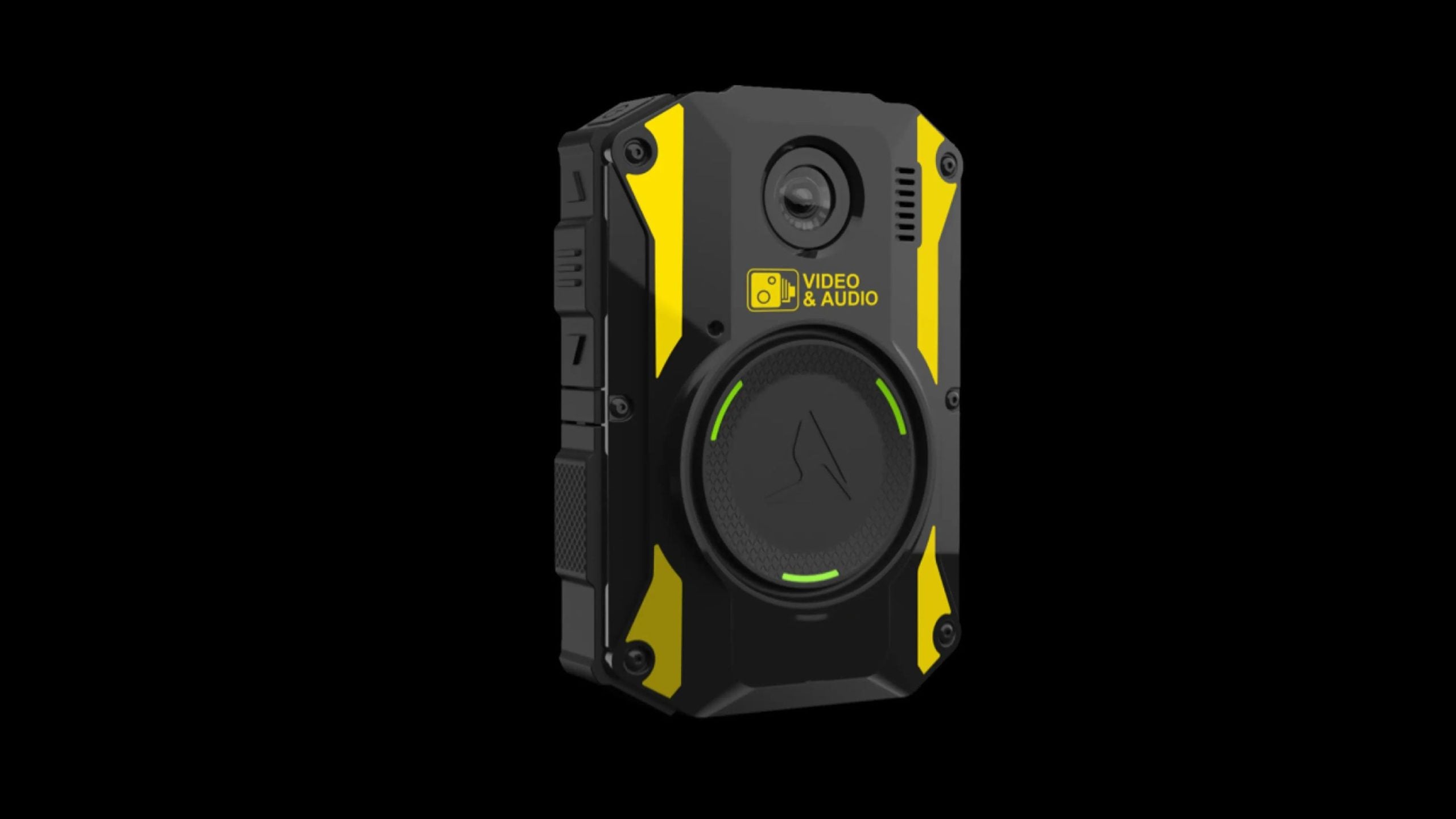
Dozens of Edmonton, Alberta, police officers spent December 2025 patrolling with body cameras that silently scanned every face within 13 feet, comparing captures against a watchlist of roughly 7,000 people.
The cameras, manufactured by Axon Enterprise and powered by facial recognition from Corsight AI, ran automatically whenever an officer pressed record. No one being scanned was asked or told.
Body cameras were sold to the public as accountability tools that watch police on behalf of citizens. Edmonton’s pilot inverts that promise. The same cameras now watch citizens on behalf of police.
EPS’s own privacy assessment acknowledges this, stating that “the continuous scanning of faces for comparison against a watchlist constitutes proactive surveillance.”
Newly obtained documents reveal that the privacy impact assessment EPS submitted to Alberta’s privacy watchdog contains troubling language around data sharing.
The assessment says data shared with Axon will be anonymized “whenever possible,” but adds that “data required to aid in assessing the success or failures associated with the technology will be shared when / if required.” Gideon Christian, an associate professor of AI and law at the University of Calgary, called that phrasing dangerously vague. “‘Whenever possible’ is a very loose and ambiguous phrase,” he said.
Kate Robertson, a senior research associate with the University of Toronto’s Citizen Lab, called this “likely the most high risk algorithmic surveillance program that I have observed to date in Canada.”
A system outage caused by a “critical fault” prevented matches for seven days, and EPS requested a three-week extension to collect enough data for a potential second phase involving real-time officer notifications. Whether that extension was approved remains unknown. EPS refused to answer questions.