
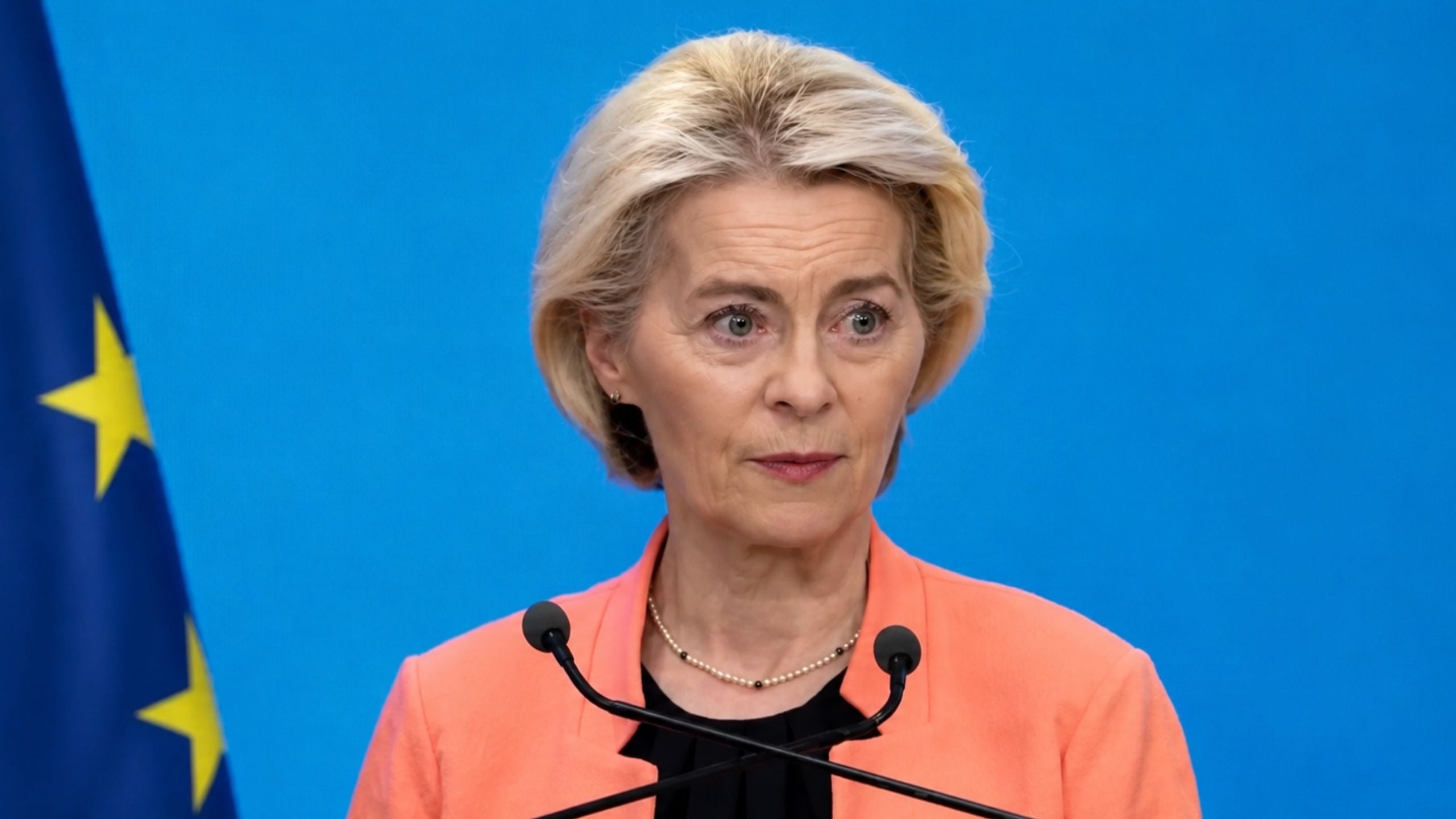
The Council of the European Union has decided that from July, online creators can attend EU summits and ministerial meetings to make videos for YouTube, TikTok, and Instagram. Fine. But the guidance to member states includes one odd instruction: don’t pick anyone who has “published views against EU values.”
What are EU values? Nobody will say. That’s the useful thing about a vague rule. You can point it wherever you like and never have to justify it. Posted something awkward about migration?
Wondered whether the euro was a good idea? Suggested the Commission gets things wrong? Possibly against EU values, possibly not, depending on who’s reading your back catalog that morning.
There’s no list of banned opinions or a review. An official just looks through your old posts and makes a call.
Now imagine them trying this on actual journalists. Guidance that said: nominate reporters to cover the summit, but exclude any who’ve expressed views against EU values. The newspapers would lose their minds, and Brussels knows it, which is exactly why it would never write that sentence down for the press corps. Journalists come with a long tradition of being a nuisance to power, and a fair number of lawyers to back it up.
Creators don’t have that armor. There’s no press freedom group ready to defend some bloke with 200,000 followers who makes explainer videos about the Council. So the EU runs an opinion test, files it under “eligibility criteria,” and assumes nobody will notice it’s the same thing it would never ask of a reporter.
They’re doing the same job, though. A creator explaining a Brussels decision to teenagers who’ll never buy a newspaper is doing journalism, whether or not anyone hands him a badge. Plenty of them reach more people than the wire reporters in the room. The only real difference is that one group has institutional defenders and the other has a phone.
Which leaves the EU with an awkward question. Is a free press one of these “values” or not? If it is, the rule contradicts itself, because the whole point of a free press is being able to publish views against you. You can’t vet your reporters for loyalty and call it press freedom in the same breath. And if a free press isn’t on the list, then they’ve told you what’s actually on it by what they left off. An institution that believed in free expression wouldn’t reach for an opinion test at all.
The clever part needs no rejection to work. The moment this guidance exists, anyone who wants a press pass starts editing himself. Skip the criticism about the latest policy. Drop the joke about von der Leyen. Keep it balanced, just in case. The Council doesn’t need to silence anyone when it can make people nervous enough to do it themselves. There’s also no paper trail, because nobody was ever formally told no.
The scheme arrives wrapped in good intentions, naturally. Brussels calls it widening engagement and bringing the institutions closer to the public. The other rules are reasonable enough: you need a real audience at home, a track record on politics and European affairs, no big sponsorship deals, no political office. Then the values clause does the job it was put there to do, sorting the approved from the unapproved. What you get isn’t a press pool so much as a fan club with lanyards.
The politicians who said anything were the ones already out of favor. Belgium’s Gerolf Annemans, a Vlaams Belang MEP, went for sarcasm: “I would go even further: nothing should be allowed to be questioned.” Lucas Hartong, formerly a Dutch MEP for the PVV, was drier, noting that “the EU and genuine democracy don’t exactly go hand in hand.” The Sweden Democrats said the whole thing showed “the EU elite is becoming increasingly desperate.”
Take the word “values” off the front and look at what’s underneath. The EU writes the definition, hands it to national governments, and uses it to decide which independent voices get to film its leaders. An institution that trusted its own legitimacy would open the doors and let the unflattering footage happen. Screening the cameras for loyalty first tells you how confident it really feels. And the creators most likely to pass? The ones who were never going to ask anything difficult anyway.