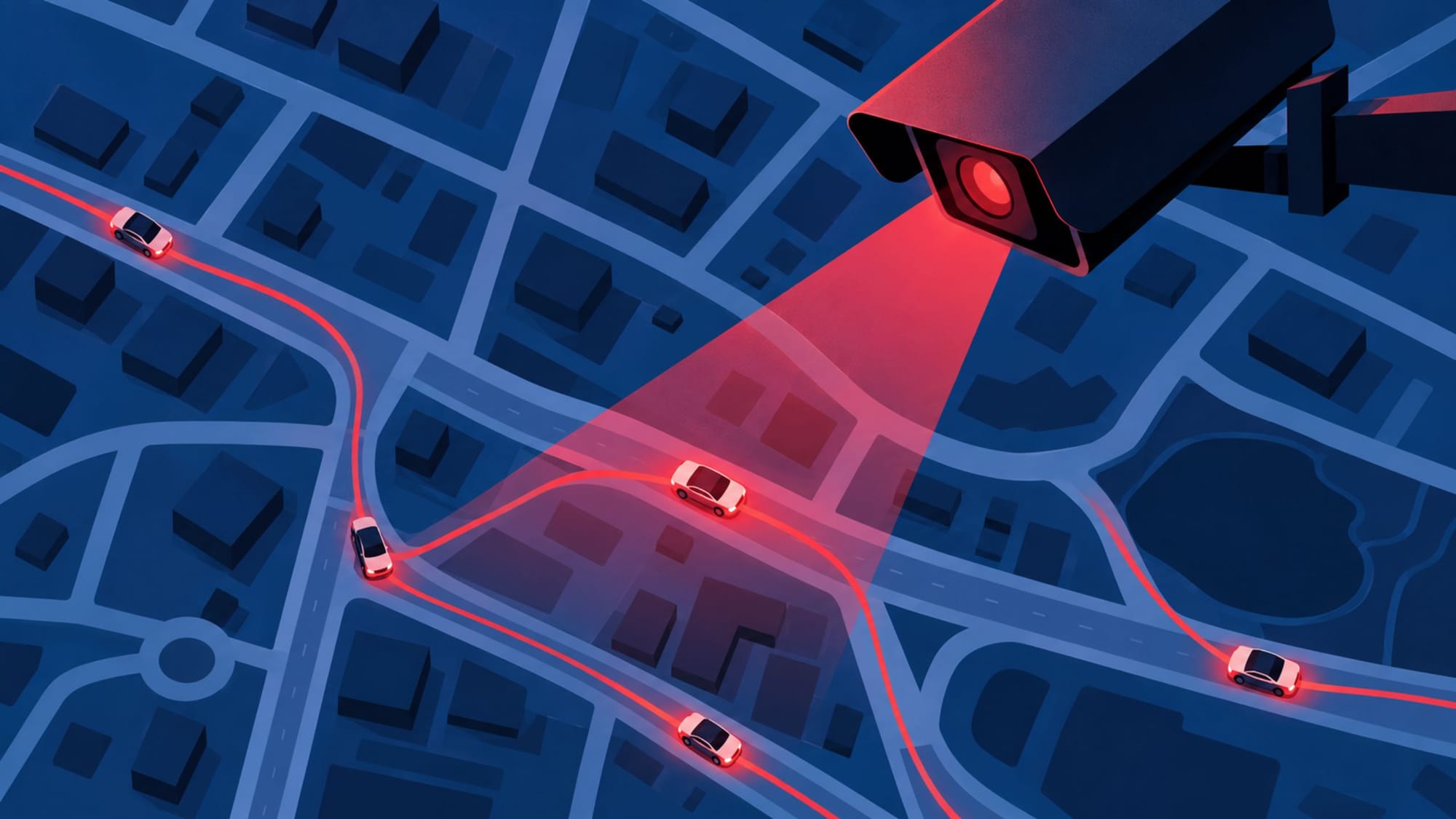
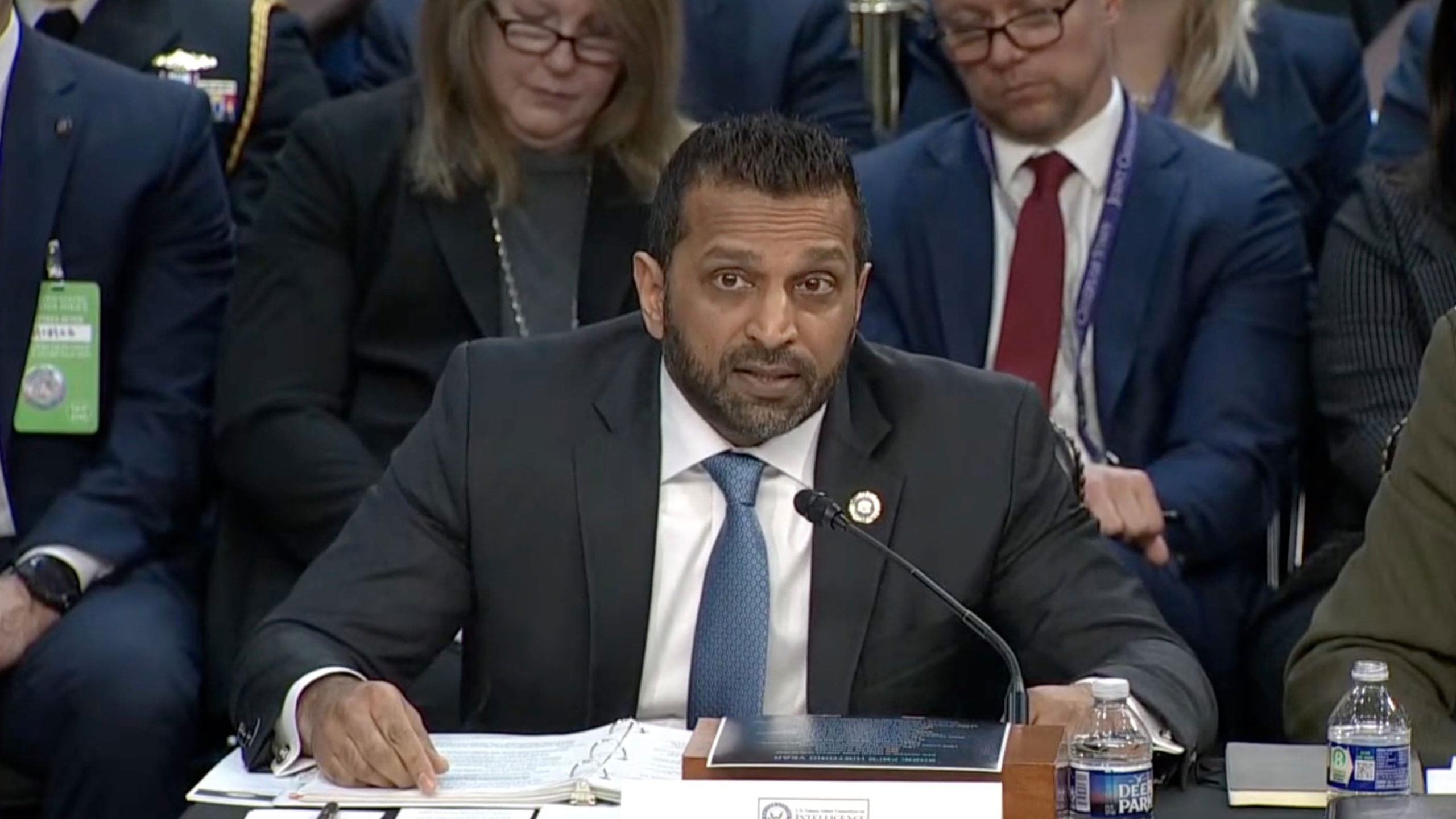
The FBI is buying Americans’ location data again. Director Kash Patel confirmed it to lawmakers on Wednesday, confirming what we already knew: that it has resumed purchasing commercial surveillance data, including detailed location histories, from data brokers.
The brokers feeding that data pipeline source much of it from phone apps and games that people use daily without realizing they’re being tracked.
By the time a precise location record reaches a federal agency, it may have originated from a weather app or a mobile game, passed through an advertising middleman, and been packaged for resale, with the person who generated it never consulted or notified.
Senator Ron Wyden asked Patel directly whether the FBI would commit to not buying Americans’ location data without a warrant. Patel declined. The agency “uses all tools…to do our mission,” he told the committee.
He followed up by confirming that “we do purchase commercially available information that is consistent with the Constitution and the laws under the Electronic Communications Privacy Act,” adding that it “has led to some valuable intelligence for us.”
Wyden called that arrangement exactly what it is: the government buying what it cannot legally seize. Purchasing information on Americans without a warrant is “an outrageous end-run around the Fourth Amendment,” he said, referring to the constitutional protection against unreasonable searches and seizures.
The workaround is not unique to the FBI. Federal agencies are generally required to convince a judge that probable cause exists before demanding private records from a tech or phone company.
The commercial data market offers a way around that requirement entirely. Agencies simply purchase what they would otherwise need a warrant to obtain, creating a market for data grabbing and exploiting a legal gap that courts have not yet addressed.
Wyden and other lawmakers introduced the Government Surveillance Reform Act last week, which would require a court-authorized warrant before any federal agency can purchase Americans’ data from brokers. The bill is bipartisan and bicameral. Without it, the gap that lets agencies buy their way around the Fourth Amendment remains open.