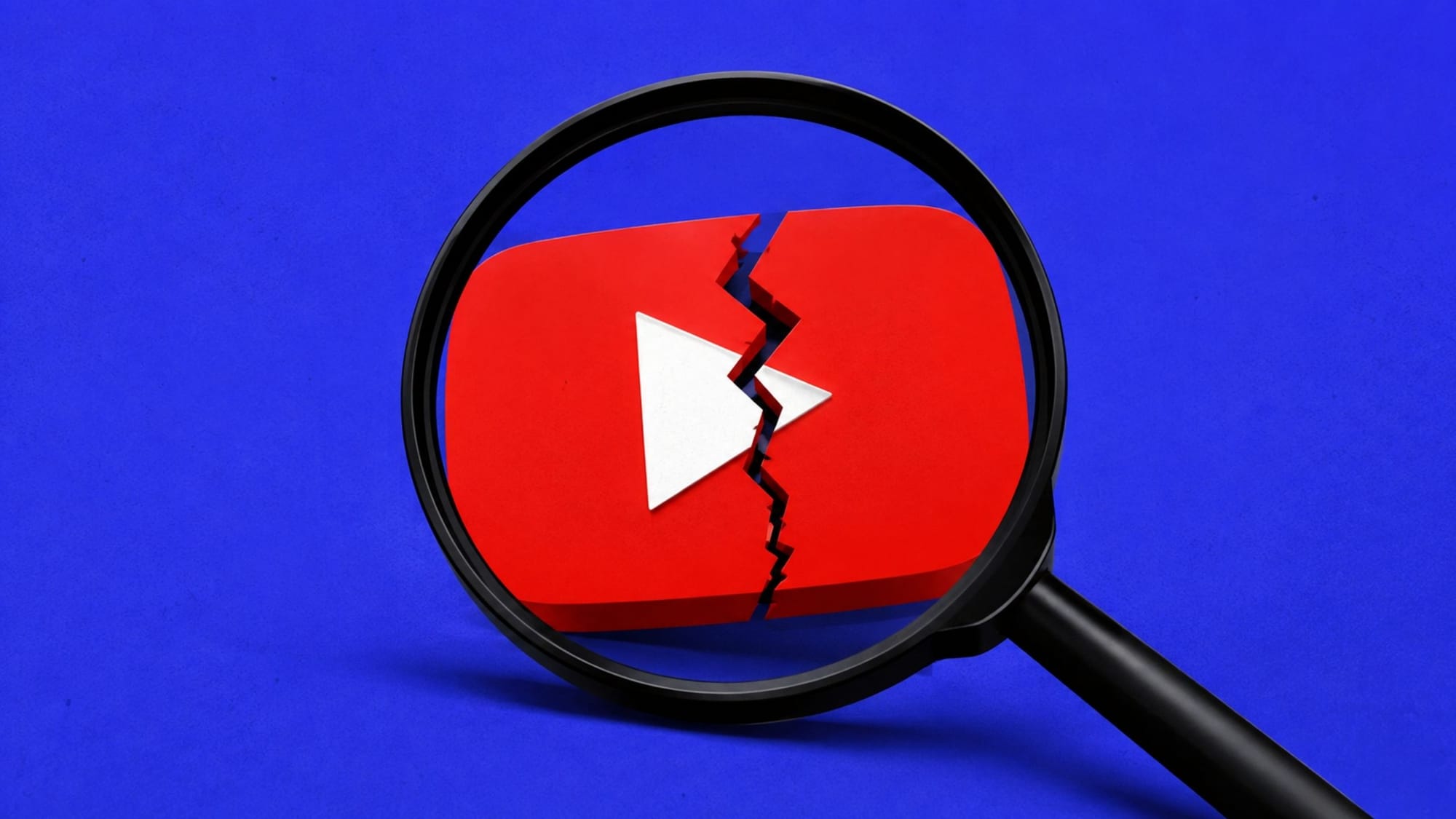
The US Federal Trade Commission (FTC) is investigating YouTube’s (Google’s) controversial moderation and account-enforcement policies, a probe that is now in its final stages, according to a report from Bloomberg.
The agency is reportedly considering a potential lawsuit, but no decision has been made. YouTube has not been accused of wrongdoing, and the inquiry may end without enforcement action.
The FTC’s inquiry, which began in 2025, is said to be looking into whether the video giant’s suspension of accounts and removal of content, as well as the way it informs users about these decisions, violates consumer protection laws.
The agency is also reportedly examining whether YouTube broke its own rules when it took down content or reduced its visibility.
Another question the FTC is reportedly trying to answer is if YouTube’s publicly available community guidelines are in line with how content is actually treated on the platform.
In other words, the probe may be looking into the difference between what YouTube says it does, and what it actually does, regarding content policing and censorship.
If the FTC decides to sue Google, it would test whether YouTube’s published rules and its actual enforcement practices diverged in ways that violated consumer-protection law.
But even if the FTC were to find that YouTube had in fact violated consumer-protection laws, the case would not necessarily be about restoring content or accounts that were taken down or giving a particular group of users the right to remain on the platform.
Rather, it would be about making sure that YouTube’s public rules and the way it enforces those rules are in sync. But this could give the government leverage to influence how YouTube does its content policing.
YouTube already has complete control over who can publish on the platform, what content is allowed to stay up, what is made less visible and which creators are allowed to reach their audiences and earn money.
This would not necessarily be good news for free speech on YouTube, as the changes could go either way – the company could be forced to censor more, or less, or censor differently.
The reported YouTube probe is separate from a public inquiry the FTC launched in February 2025. That inquiry asked for information about how social media and video platforms engage in censorship.
This request for information sought public comment on how platforms deny or degrade access to content or users based on speech or affiliations, including through bans, shadow bans, and demonetization, as well as “opaque or unpredictable” procedures, limited notice, and weak appeals.
The public was also asked to comment on whether this type of conduct may violate platforms’ own policies or users’ reasonable expectations, and whether it may constitute unfair or deceptive acts or practices, unfair methods of competition, or other forms of consumer harm.