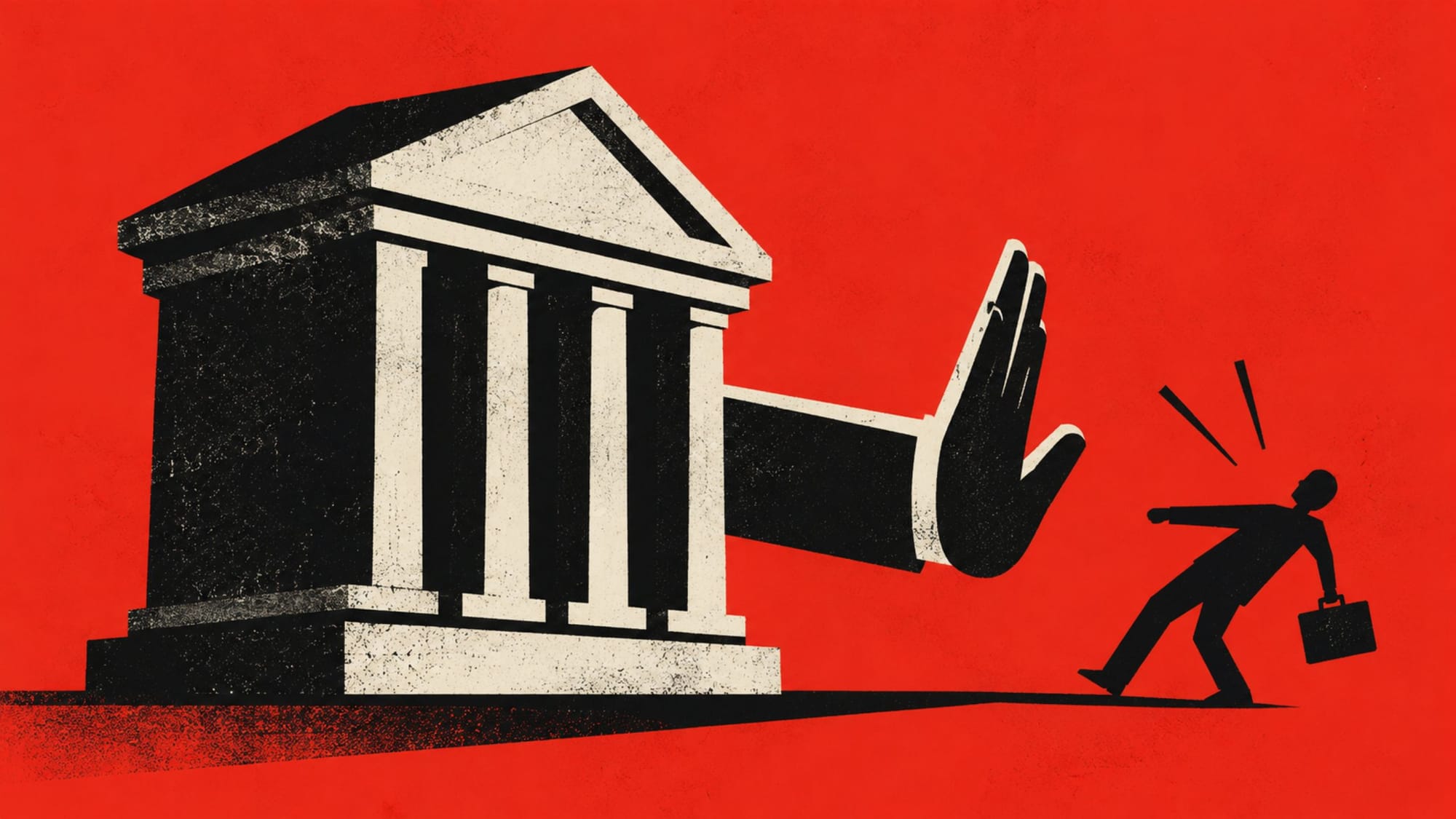
Google has spent years deciding what software a billion Android users are allowed to install. A jury said that it was illegal. Now, after losing in court twice and facing regulators on three continents, the company is changing how it runs Android’s app distribution. Whether the changes go far enough is still before a federal judge.
The core of what Google announced: rival companies can register as app stores, pay a one-time fee, and offer their own catalogs on Android devices. Google’s standard 30% cut on developer revenue drops to as low as 10% on recurring subscriptions, with a flat 5% option for developers who just want to use Google’s billing system. Developers can also route customers to external payment processors entirely.
“Anybody can launch a competitive app store now,” said Epic Chief Executive Officer Tim Sweeney. “Google is opening up Android all the way with robust support for competing stores, competing payments, and a better deal for all developers,” Sweeney posted on X.
That sentence would have been unremarkable a few years ago. For most of Android’s history, it wasn’t true.
How Google kept the gates closed
A jury concluded in 2023 that Google’s Android policies violate antitrust law. The evidence showed a company that cut deals with developers, manufacturers, and carriers to ensure Google Play remained the only practical way to distribute apps on Android.
Rival stores faced what the court called “install frictions,” an arsenal of warning screens and technical barriers designed to make alternatives feel unsafe or cumbersome. The message to users was that other app stores are a risk.
Judge James Donato issued an injunction ordering Google to open its app catalog to rival stores, ban preferential treatment for Google’s own services, and let developers steer customers to cheaper payments elsewhere. Google appealed. The Ninth Circuit upheld the ruling. Google asked the Supreme Court for relief. The Supreme Court said no.
The new proposal, filed Wednesday in San Francisco federal court, follows the shape of Donato’s original order. Google and Epic said it should resolve concerns the judge raised about an earlier settlement he described as a “sweetheart deal” for Google. Donato still needs to approve it.
What changes, and what it means
The practical changes are no small deal. Registered app stores will get a neutral install screen, equal treatment to Google Play on Android devices, and access to distribute their own app catalogs. The friction that made sideloading feel dangerous to ordinary users is supposed to disappear.
That matters beyond price competition. App stores that operate outside Google’s rules can carry software Google won’t. That includes apps from developers who’ve been removed from Play, apps that serve communities Google’s content policies don’t accommodate, and alternatives to Google’s own services that Google has historically had every incentive to disadvantage.
When one company controls distribution on a platform used by billions of people, it controls more than commerce. It controls what software exists in practice for most of the world’s Android users.
Google has faced EU fines for competition violations. The European Commission flagged the company in March 2025 for blocking developers from steering users to offers outside the Play Store, with potential fines reaching 10% of global annual revenue.
The UK’s Competition and Markets Authority designated Google as having Strategic Market Status in mobile platforms, giving regulators power to mandate exactly the kind of changes announced Wednesday. Fee changes for the US, UK, and EU are expected by June, with Australia, Korea, and Japan following before the end of 2026.
The revenue question
Documents from the Epic litigation put Google Play’s 2020 revenue at $14.66 billion. Alphabet doesn’t break out figures for the Play Store separately. Analysts estimated the combined effect of litigation and new regulations could cost Google around $1 billion in gross profit.
Google’s willingness to settle, after years of fighting these changes through every available court, tells you what the stakes looked like from inside the company.
Whether that remains true once legal scrutiny fades, and whether Google enforces its new openness with the same energy it once spent closing the platform down, are questions the next few years will answer.
Still, a looming problem
The court victory and the settlement, though, only go so far. Google has a separate policy in the works that would effectively reassert gatekeeping control through a different mechanism.
Starting September 2026, any app installed on a certified Android device must be registered by a Google-verified developer. No registration means no installation, even for apps distributed entirely outside Google Play, through stores like F-Droid or the Amazon Appstore.
That means government-issued ID, agreement to Google’s terms, and a $25 fee, just to reach users on hardware Google doesn’t own, through stores Google doesn’t run.
A coalition of organizations signed an open letter to Sundar Pichai demanding the policy be scrapped.