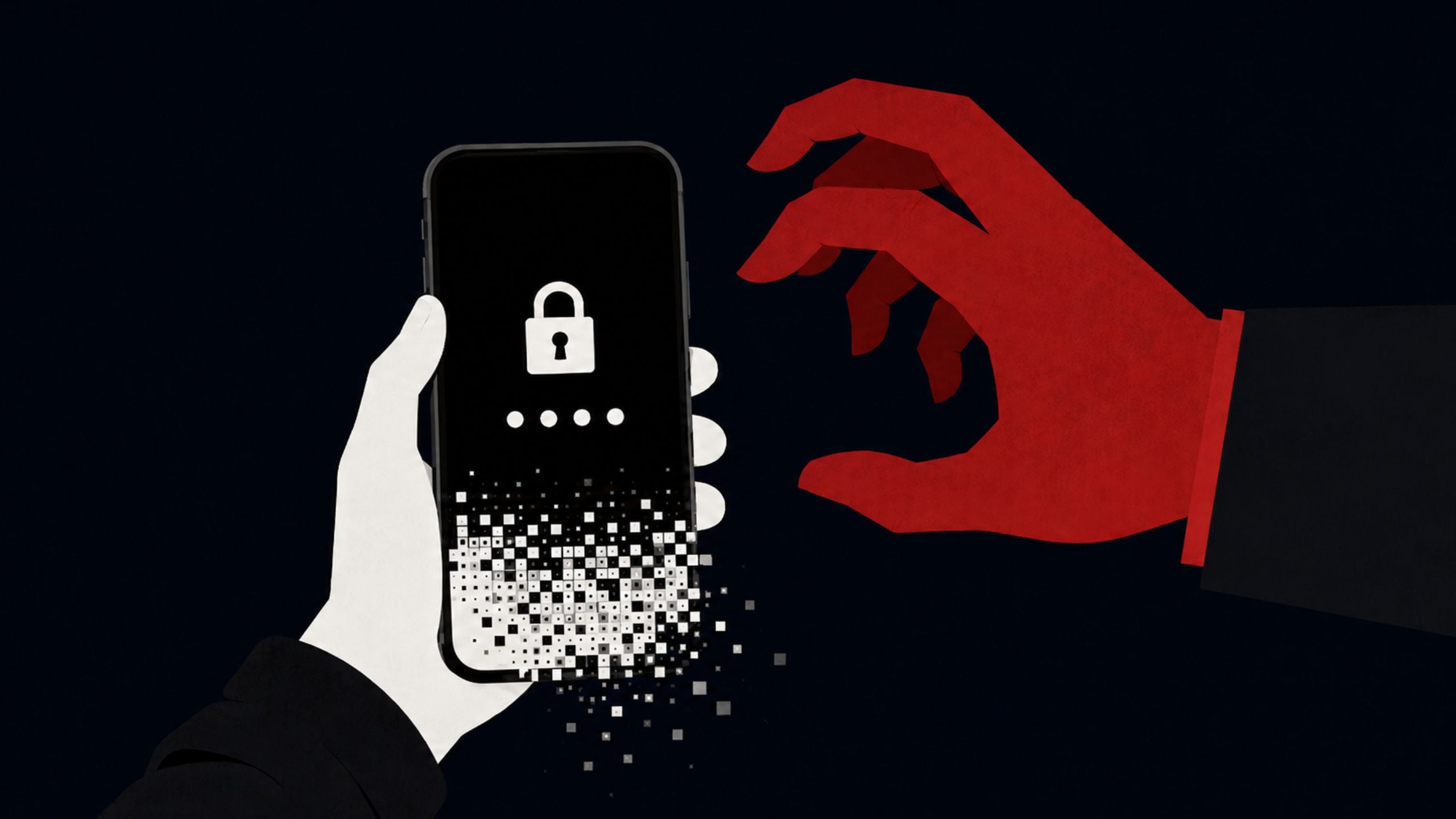
The Justice Department is asking a federal court in Atlanta to treat a man’s erasure of his own phone as destruction of property, in the first known US prosecution built on a phone’s duress password.
Samuel Tunick faces one count under Title 18, Section 2232(a), a statute covering the destruction of property to stop the government from taking it. Prosecutors say he handed Customs and Border Protection officers a passcode that deleted the contents of his Google Pixel instead of unlocking it. His lawyers appeared before the court for the first time on Monday, arguing that officers ran a custodial interrogation without Miranda warnings, denied him a lawyer, and searched him unlawfully. They want everything obtained from the encounter suppressed.
CBP pulled Tunick into secondary inspection at Hartsfield-Jackson on January 24, 2025, as he returned from the Dominican Republic. An FBI Joint Terrorism Task Force officer and an FBI special agent had coordinated with CBP in advance to question and search him on arrival. The account comes from the defense filing, which draws on the government’s own reports. Officers from CBP’s Tactical Terrorism Response Team opened by telling him they were “looking for people who are pedophiles.”
Officers never read Tunick his Miranda rights. He said early in the interview that he did not want to keep talking without a lawyer, then asked to call one repeatedly. Questioning continued. One officer told him his refusal to talk gave them authority to go through his phone. When he asked again about his attorney, an officer told him customs and immigration work was a different matter, “and we have search authority, we don’t need a warrant.”
Tunick eventually provided a password for his phone and his e-reader. The screen “went blank, flashed several times and the phone appeared to restart,” according to the government’s report. Officers seized the devices anyway and told him they would be returned after thirty days. A third officer took him to another room for a pat-down that was not recorded. A DHS agent then told him he was free to leave once the other agents were finished with him.
The government’s reports contain no indication that anyone suspected Tunick of carrying illegal images, his lawyers wrote. The reports record an interest in his association with Defend the Atlanta Forest, the movement opposing the clearing of the South River Forest for the Atlanta Public Safety Training Center. Opponents call the 85-acre, $115 million police facility Cop City. Federal documents label the movement an “Anti-Government, Anti-Authority Violent Extremist Group.” Tunick has not been charged with any offense connected to it.
Eleventh Circuit precedent favors the government. Its 2018 ruling in United States v. Touset permits forensic searches of electronic devices at the border with no warrant, no probable cause, and no individualized suspicion. Tunick’s lawyers cite decisions from the First, Fourth, and Ninth Circuits going the other way, including a Fourth Circuit holding that warrantless border searches of devices cannot be used to hunt for evidence of domestic crime. They also argue that surrendering a passcode is testimonial, relying on a 2012 Eleventh Circuit decision that decrypting and producing the contents of a hard drive triggers Fifth Amendment protection.
Courts allow suspicionless border searches to keep contraband out of the country. The accusation here is that data left a phone rather than entered the United States, and digital files move across borders over the internet anyway. A ruling on the motion is not expected before the end of October.
GrapheneOS, the hardened Android build that replaces the stock software on Pixel devices, lets an owner set a second PIN or password that irreversibly wipes the device and any installed eSIMs when entered at a credential prompt. No confirmation dialog appears, and nothing distinguishes it from a normal unlock.
Bill Budington, senior staff technologist at the Electronic Frontier Foundation, and Runa Sandvik, founder of the security firm Granitt, both said they had seen no comparable prosecution. Sandvik said she had discussed the scenario with activists and journalists for years and advised travelers to leave sensitive data off devices they carry across borders rather than count on wiping it. Christophe Boutry told the Guardian the prosecution “sends the message that [GrapheneOS] is criminal by default.”
Matthew Dodge, an assistant federal public defender on Tunick’s legal team, said the statute is rarely seen in an indictment. Tunick was arrested about ten months after the airport stop. His crowdfunding page says he was pulled over for a purported tail light fault and cuffed by FBI and DHS officers when he stepped out of the car. He has pleaded not guilty. The single-count indictment accuses him of acting to delete the digital contents of a Google Pixel to impair the government’s lawful authority to take it, in violation of Title 18 of what the document calls the “Untied States Code.”