Step over a line that South Wales Police gets to draw and an officer can open a file on you for saying the wrong thing about Islam. That file can follow you to a job interview, no crime required.
The force has told its officers to keep records of conduct it regards as “hostile” toward Muslims whenever that conduct goes past what it deems “legitimate” debate about the religion.
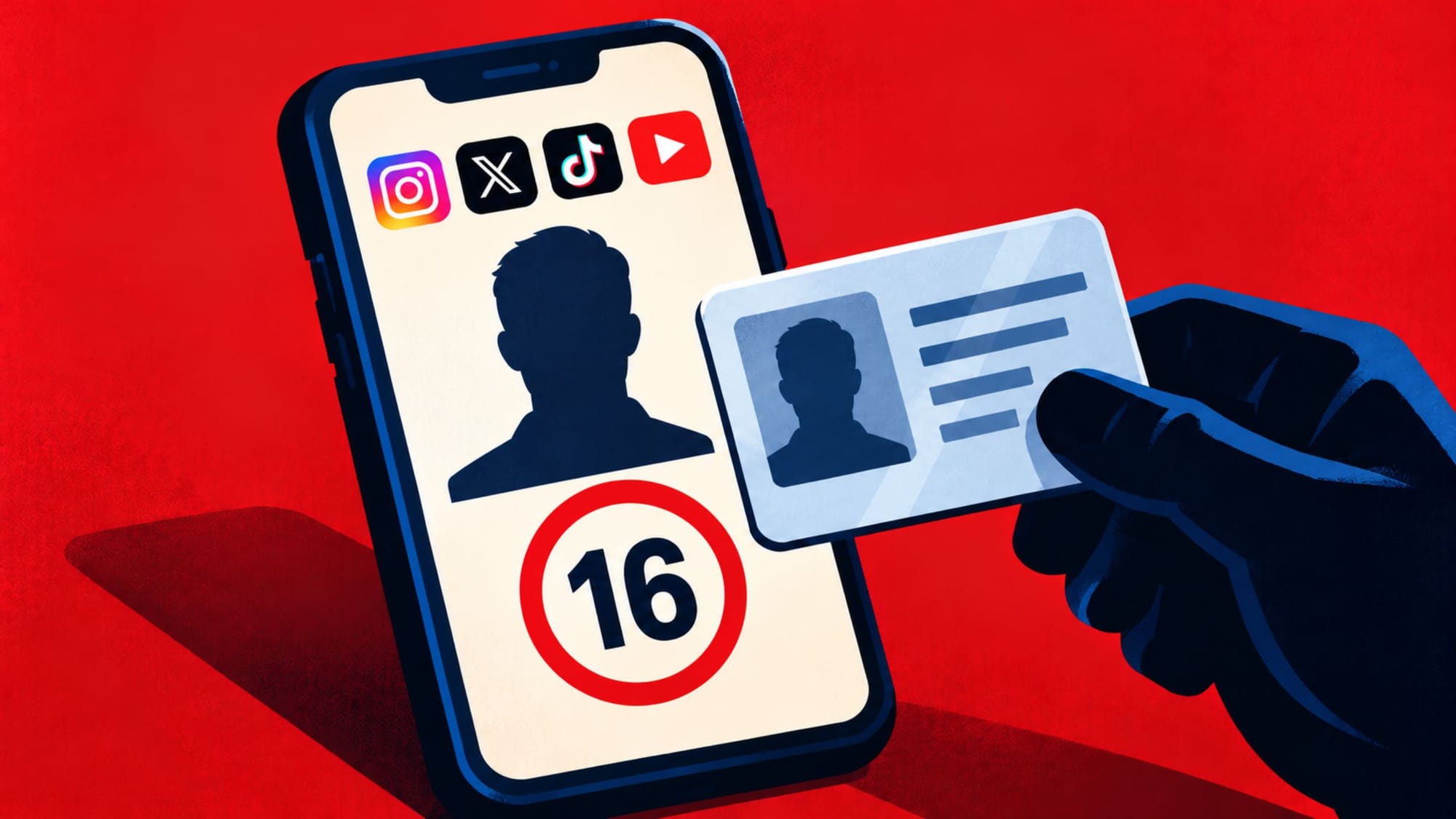
Where an officer decides someone has crossed those “boundaries,” the force opens an anti-social behavior incident record. That record then surfaces in enhanced DBS checks, the vetting many employers run before hiring, which means a future boss can see that the police once filed you away as a problem for something you said.
Who decides where legitimate debate ends and hostility begins? Under this guidance, a single officer.
More: UK Met Police Will Stop Investigating (But Will Still Record) “None-Crime Hate Incidents”
According to the Telegraph, the Free Speech Union has demanded the constabulary scrap the policy and threatened a judicial review if it refuses.
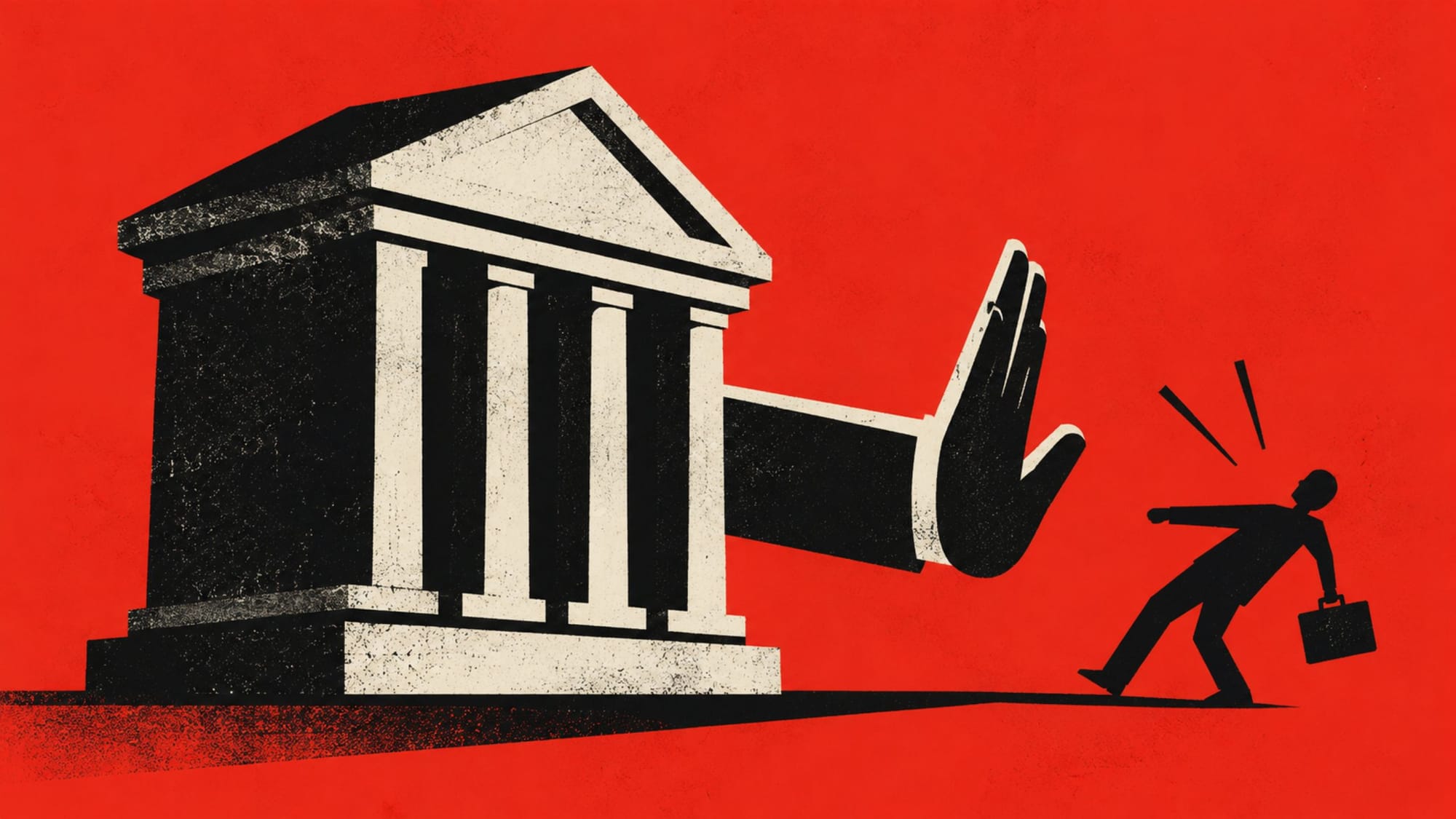
Its lawyers told the force the internal memo “gives rise to an unjustified chilling effect on lawful expression and belief.” People do not need to be arrested to be silenced. They only need to know a record might be made.
People, the lawyers wrote, “are deterred from expressing religious, philosophical or political views, or from manifesting their beliefs, by the knowledge that doing so may result in police categorisation and recording as an instance of hostility notwithstanding the absence of any criminal conduct.”
Fear of the file does the censoring before any officer has to.
Lord Young, who founded the union, said the policy risks “penalising people for expressing misgivings about Islam,” in his view a clash with statutory free speech protections.
He said more on how forces handle the government’s wider definition, warning that public bodies would “gold-plate it, ignoring the free speech protections and penalising people for expressing any misgivings about Islam, even when it’s clear those misgivings are rooted in evidence, not prejudice.”
His read on the likely default is officers logging reports of anti-Muslim hostility as anti-social behavior incidents even when those reports sit plainly outside the definition, because the incidents stay disclosable in enhanced DBS checks.
There is a national backdrop here. The Labour government rolled out its official anti-Muslim hostility definition in March, after dropping earlier efforts to define Islamophobia following warnings that such a definition would function as a blasphemy law.
The government’s version covers “prejudicial stereotyping” of Muslims and those taken to be Muslim, treating them as a collective fixed by negative traits with intent to stir hatred, whatever any individual actually thinks or does.
Ministers wrote in explicit safeguards for the right to criticize or mock the religion.
South Wales Police took that definition and added wording of its own. That extra language, opponents of the policy argue, hollows out the safeguards the government attached.
The force says its definition is not designed to shut down “legitimate discussion, scrutiny, or differing viewpoints,” while still instructing officers to record relevant conduct “appropriately.” Both things cannot comfortably be true at once. You cannot promise open debate and simultaneously order your officers to file paperwork on the people having it.
The union’s letter returns to the structural flaw; individual officers should not be the ones ruling on what counts as “legitimate” expression, a setup it says produces “an unacceptable risk of unlawful interference with protected rights.”
Asked about it, a South Wales Police spokesman confirmed only that the force had “received correspondence from the Free Speech Union and the matter is ongoing.” The guidance, for now, stands.