
Privacy
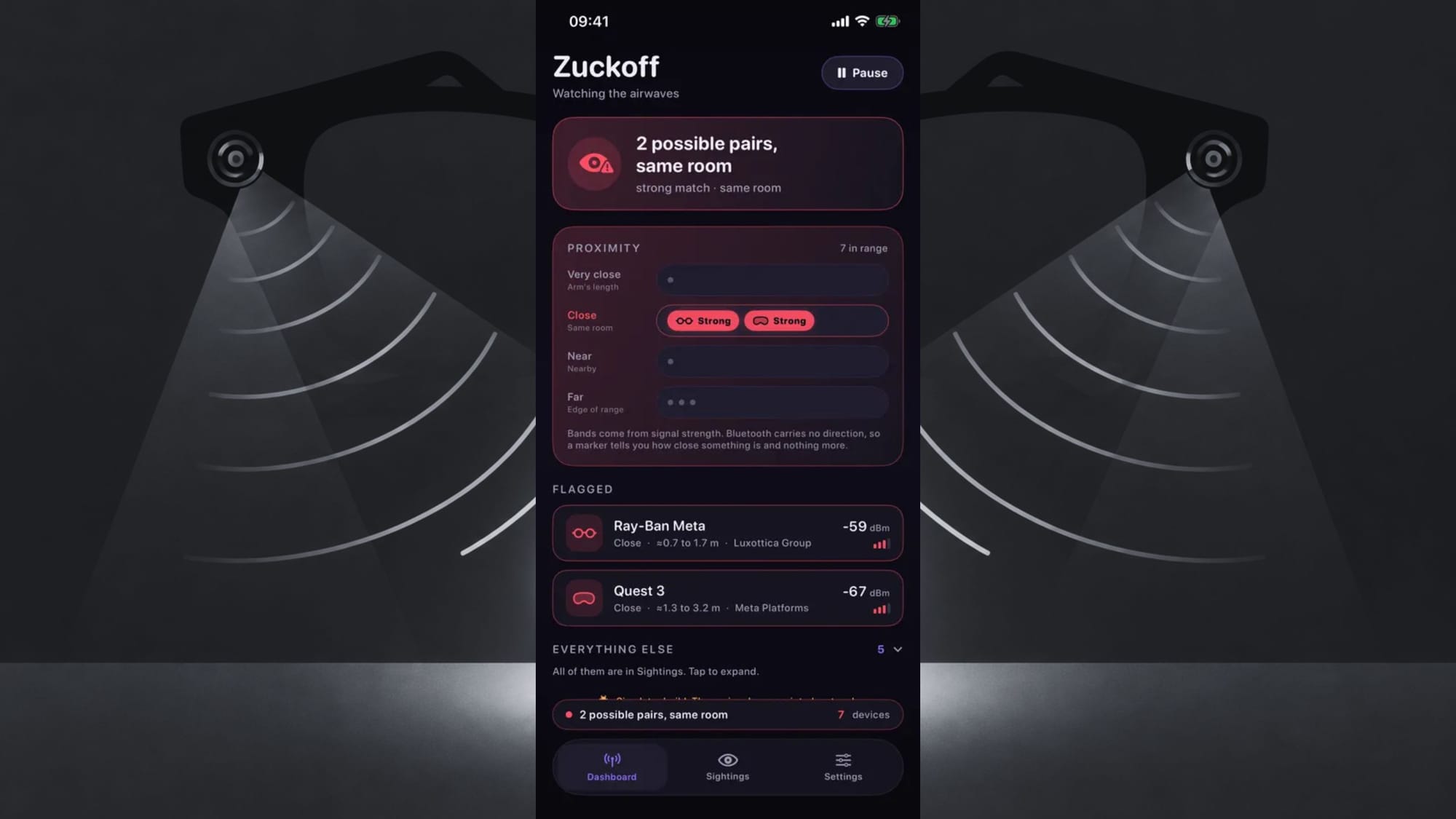
ZuckOff App Detects Nearby Camera Glasses Through Bluetooth Signals
It cannot tell you who is recording, but it can tell you that the future has wandered nearby.

EU’s Social Media Ban Could Bring ID Checks for Adults
The EU wants to keep children off social media, but enforcing the rules could mean adults increasingly having to prove their age or show ID online.
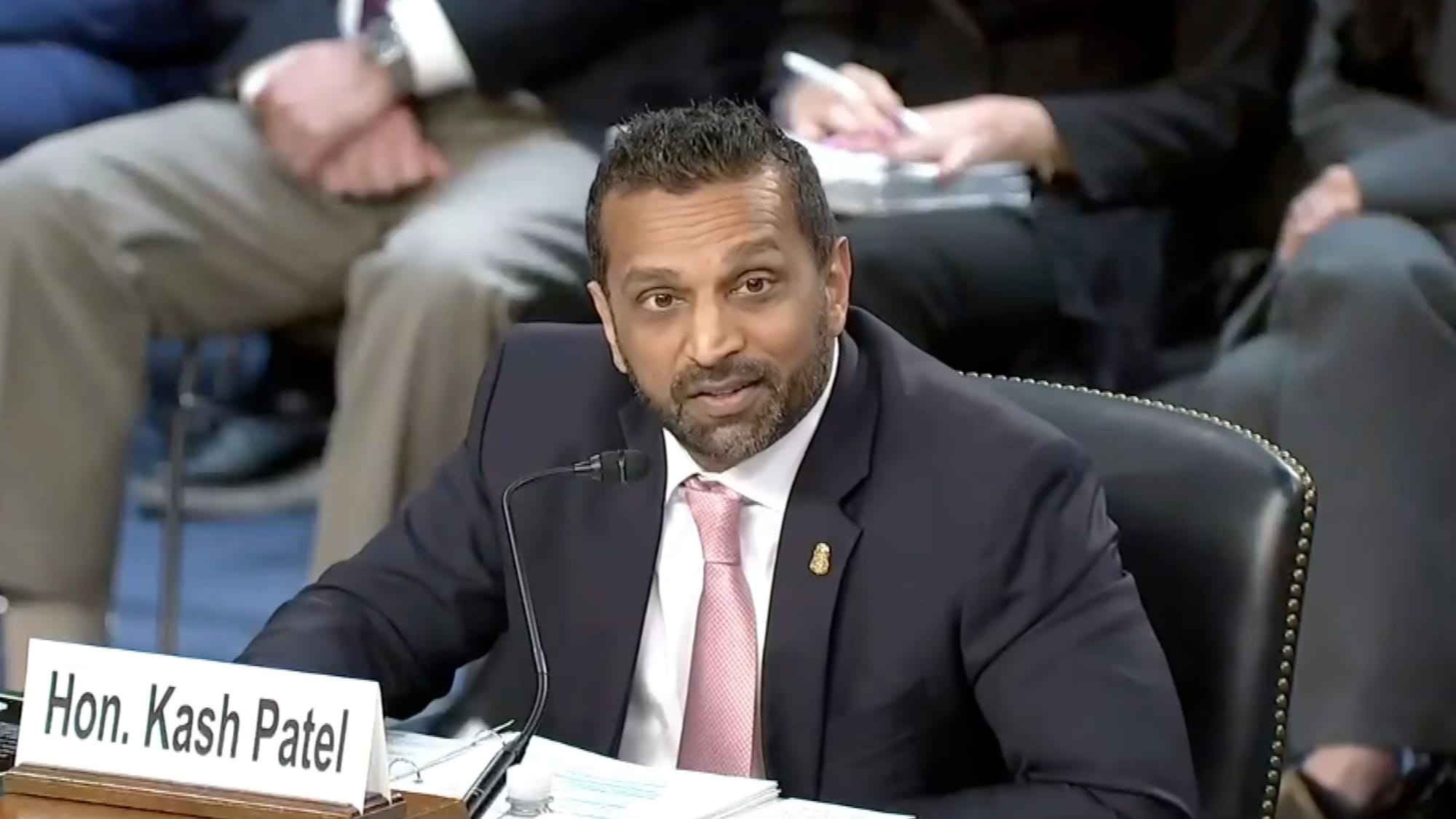
FBI Surveillance, Social Media, AI, Partnerships Draw Scrutiny at Senate Hearing
FBI Director Kash Patel defended access to Flock license plate reader data at a Senate Judiciary hearing.
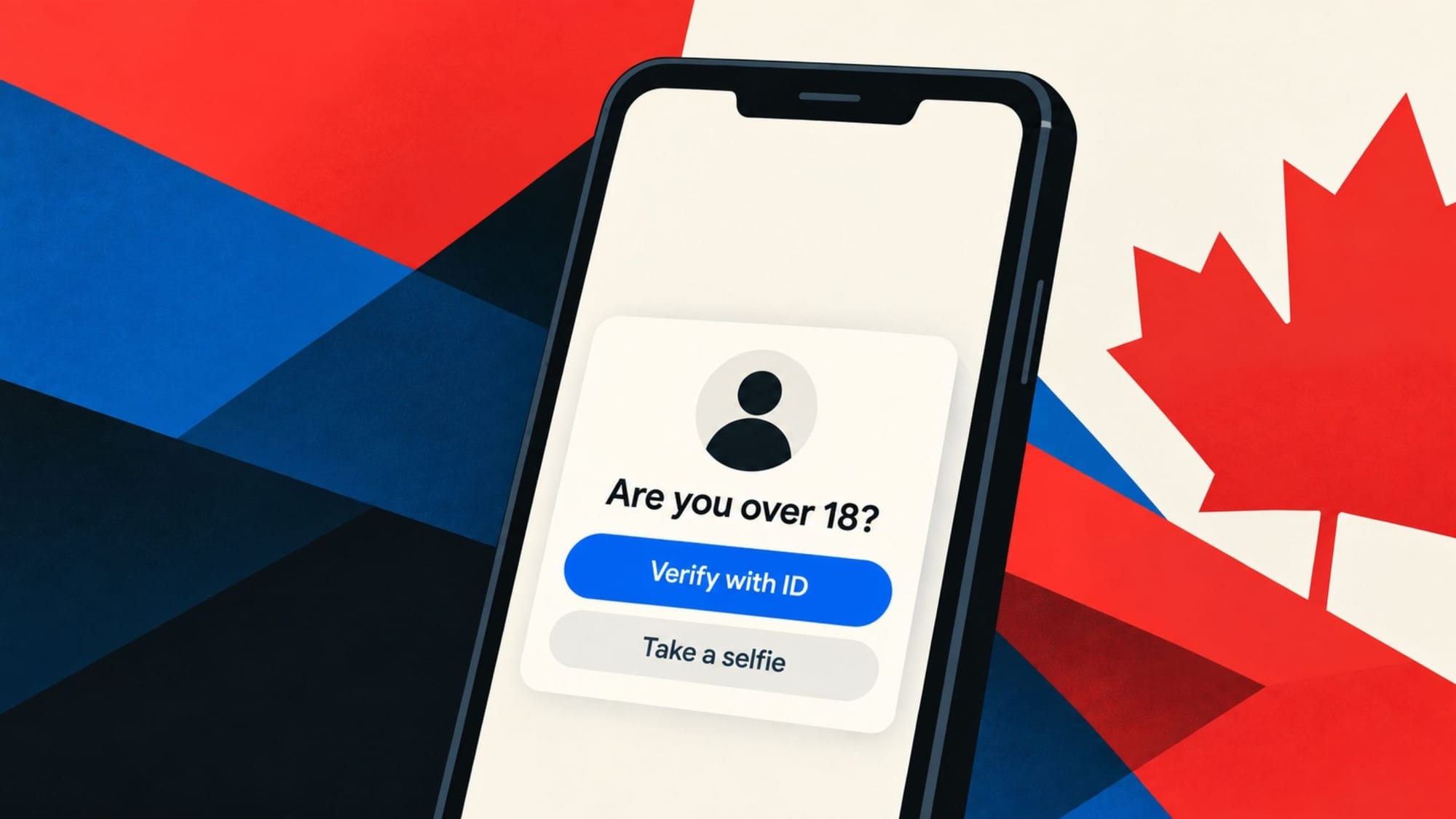
Google May Ask Canadian Adults for ID or Selfies
This is becoming more about platforms watching what people do, guessing who they are, and demanding proof when the guess goes wrong.
Bipartisan House Bill Would Ban Social Media Accounts For Under 16s
The legislation stops short of mandatory ID checks for every user, but its incentives point directly toward more intrusive age verification.
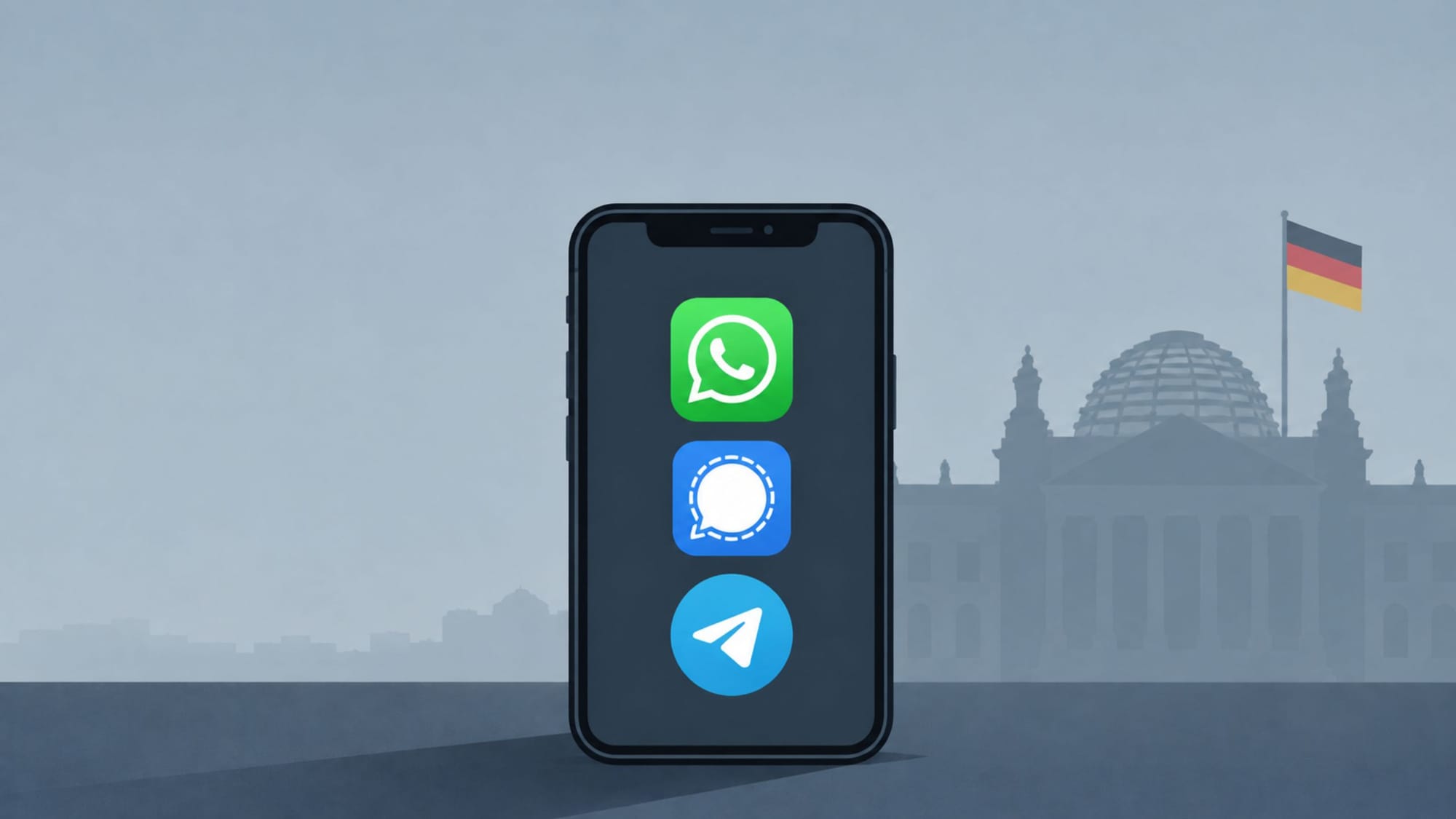
German Customs Made Secret Messenger Surveillance Permanent
A leaked directive reveals how exceptional access became routine procedure.
 Members
What the Military’s Ad Tracking Problem Can Teach You About Your Phone
Your phone does not need your name to tell a stranger where you sleep and work.
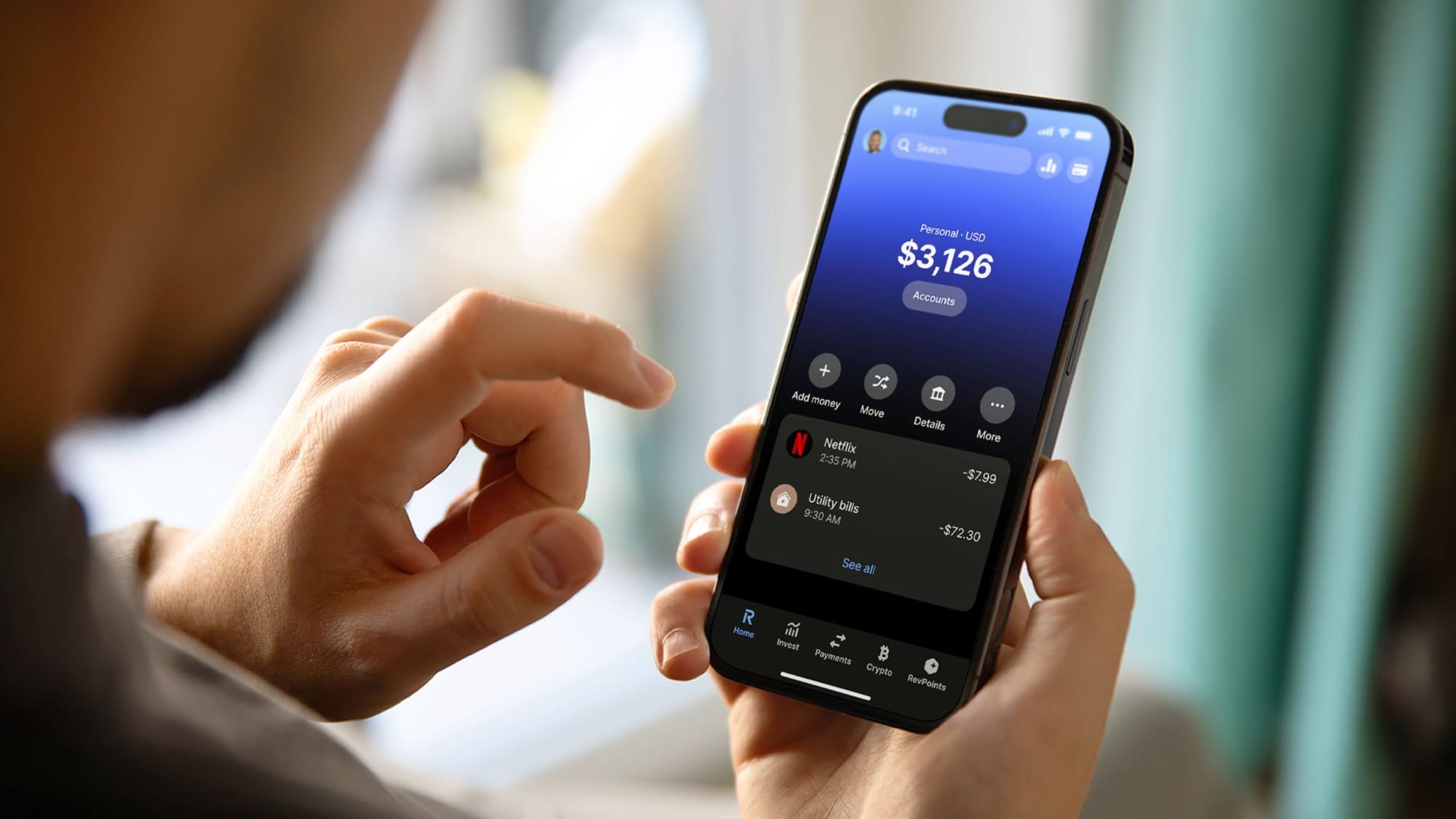
Revolut Leak Shows the Cost of Constant ID Collection
Revolut’s mistake is the news, but the bigger problem is the growing number of companies being encouraged or required to keep copies of our most sensitive identity documents.
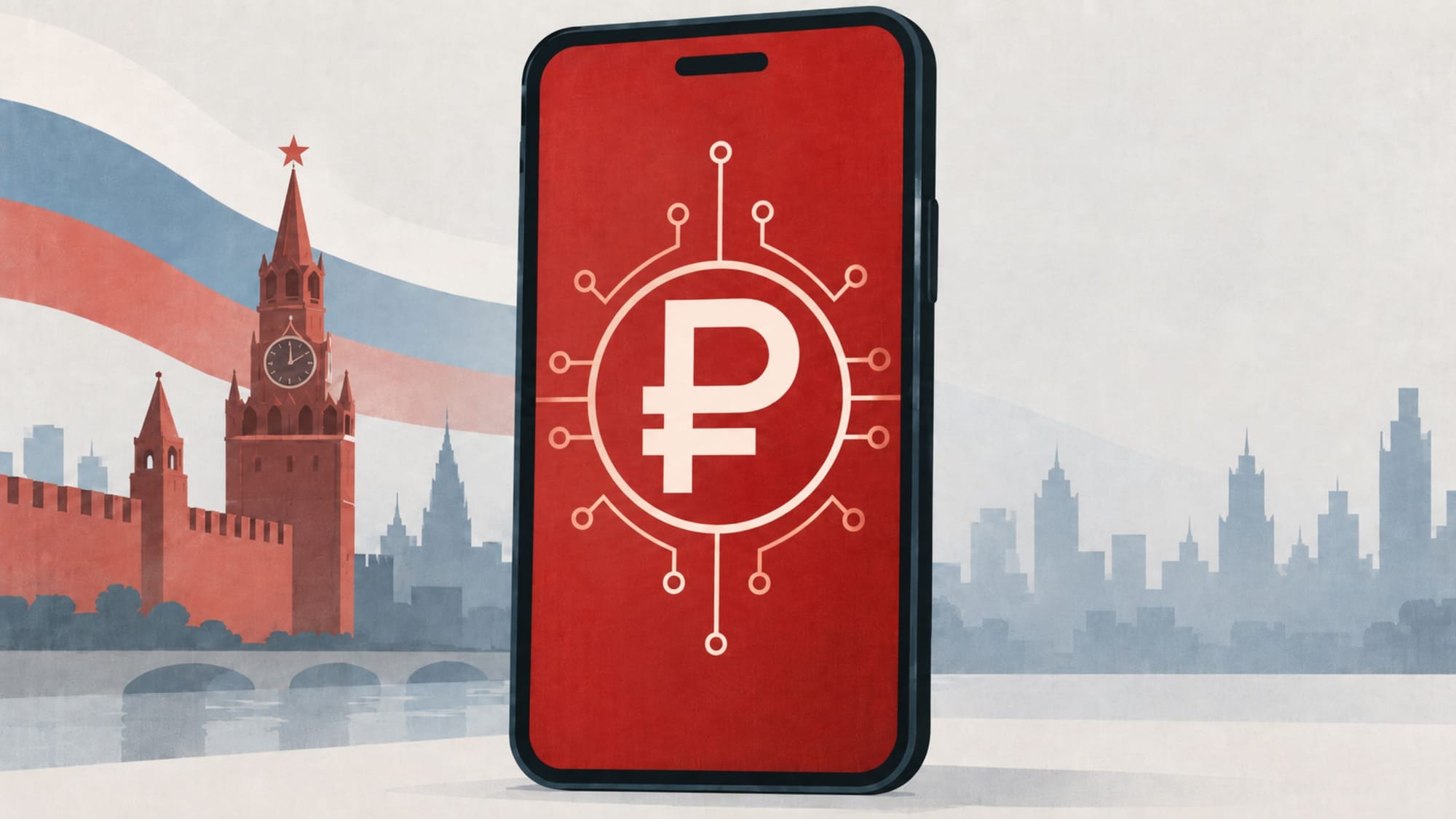
Russia Begins Large-Scale Digital Ruble Rollout
The first wave brings banks, retailers, and the state onto one highly visible payment rail.
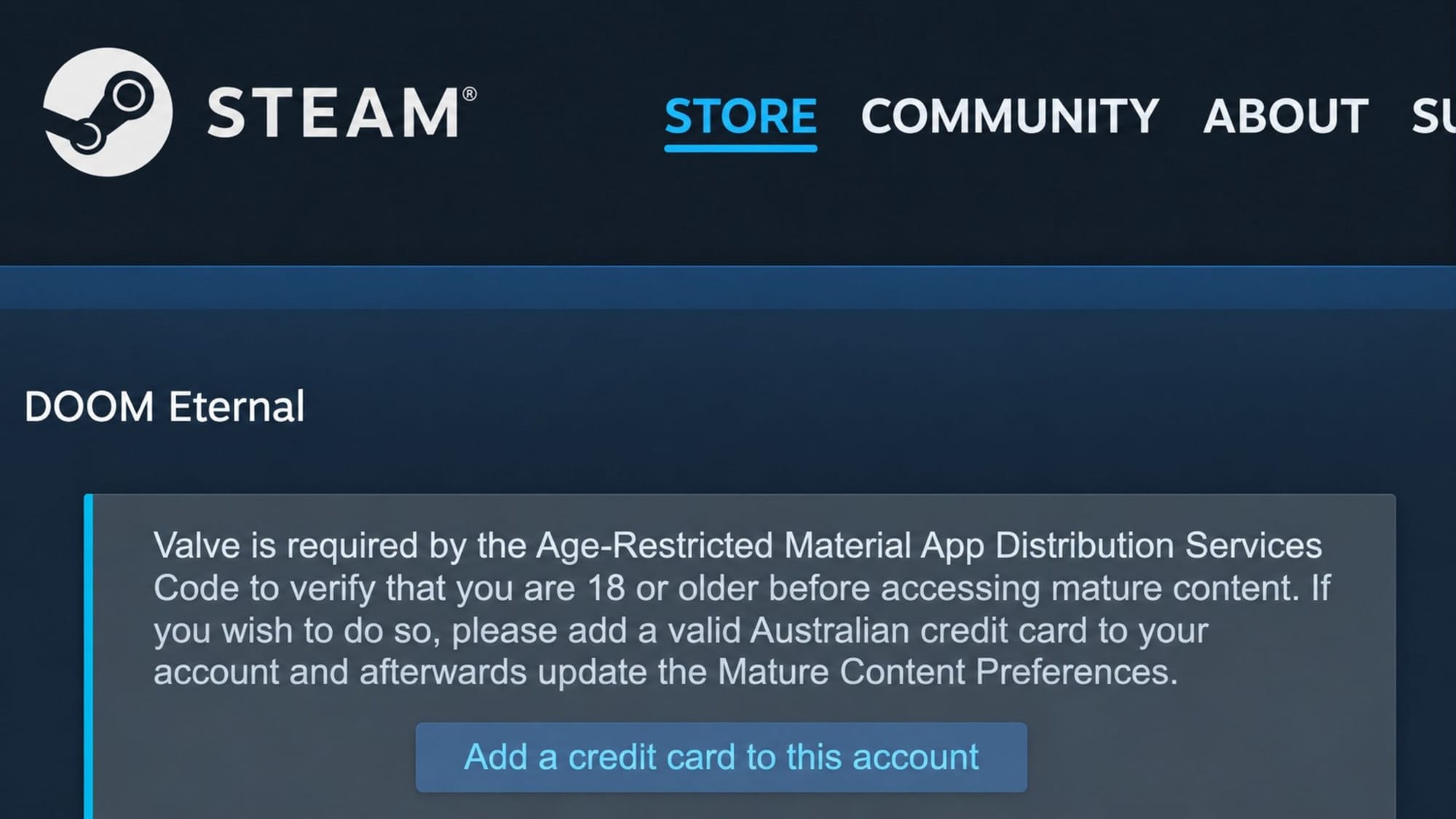
Australia’s Age Verification Rules Push Steam Toward Credit Card Checks
Age assurance was meant to separate children from adult content. Steam's version also sorts adults by banking access.

California Is Building an Internet of Age Checks and Identity Gates
California’s child safety push comes with a passport of sorts for everyone else.

Apple Watch’s New Siri Recap Can Automatically Record Everyday Conversations
Apple calls it memory assistance; everyone else might call it a new kind of social privacy problem.