In the US, the price of an item is no longer what it used to be – a number that means the same thing to everybody. Instead, it’s becoming a reflection of who you are, where you are, and how badly you need something.
In Michigan, two bills that are meant to stop businesses from using what they know about you to charge you more are making their way through the state legislature. HB 6098 and HB 6099 both passed in the House 92-15 in late June, and are now in the Senate Economic and Community Development Committee.
The bills were sponsored by Republican Reps. Steve Frisbie of Battle Creek and Rylee Linting of Grosse Ile. If successful, HB 6098 would add surveillance pricing to the list of unfair practices banned by the Michigan Consumer Protection Act, while HB 6099 would do the same with the Shopping Reform and Modernization Act, which is a price display law. However, HB 6099 is contingent on HB 6098 becoming law first.
The bills define surveillance pricing as a pricing system that raises the price of an item based on personally identifiable data, such as device type, MAC address, IP address, cookies, geolocation, search history or purchasing habits.
This is not the same as dynamic pricing, which is legal and changes prices based on supply and demand.
The practice the bills want to ban is described by Kyle Zawacki, legislative director of the ACLU of Michigan, as “when tracking cookies on your phone and all the information that websites and social media collect about you would be weaponized to charge you more for things because they know you need something.”
He added that “if your economic rights are being impacted because you are being charged more because of who you are, the color of your skin or your zip code, that’s a problem.”
There have been several instances of “surveillance pricing” reported in the media, such as a Consumer Reports investigation that found Instacart running AI-powered pricing experiments at a major retailer, while a TV investigation in Minnesota discovered that some prices in Target’s app were higher when shoppers were inside or near a store.
At the federal level, the Federal Trade Commission (FTC) has been looking into the issue, and in January 2025 published a report that said third-party pricing services can use consumers’ location, demographics, browsing habits, and shopping history to tailor prices and promotions.
In August 2026, the FTC proposed an enforcement policy statement on the matter, saying that “the more sophisticated personalized pricing practices become, the less likely consumers are to benefit.”
The regulator also admitted that Congress has not given it the power to ban personalized pricing outright, so it would only go after what it considers to be “concealed” personalization that is deceptive or unfair.
In Michigan, the proposed legislation has been criticized for leaving out some important pieces of the puzzle. For one, the bills exempt dynamic pricing and retailer loyalty programs. The latter are themselves a way to collect consumer data, so this loophole would cover a lot of tracking. Another issue is that the bills would not allow shoppers to sue if they are hit with surveillance pricing – the attorney general and prosecutors would be the ones to enforce the ban.
As for what the bills do and don’t do, Zawacki has explained that the goal is not to stop data collection, but its use to raise prices.
On the other hand, the Michigan Retailers Association wants a law that would clearly separate surveillance pricing from discounts, seasonal sales, and supply-and-demand changes, while NetChoice, a trade association, opposed the bills, saying they give businesses “no clear way to know whether routine pricing practices violate the law.”
Similar legislation is being considered in other states. In California, AB 2564, which we track, has passed the state Senate and would ban retailers from setting customized prices based on personal data collected electronically.
In New York, a federal judge has upheld the Algorithmic Pricing Disclosure Act, which makes retailers inform shoppers if personal data was used to set a price. The message must be in capital letters, and fines are $1,000 per violation.
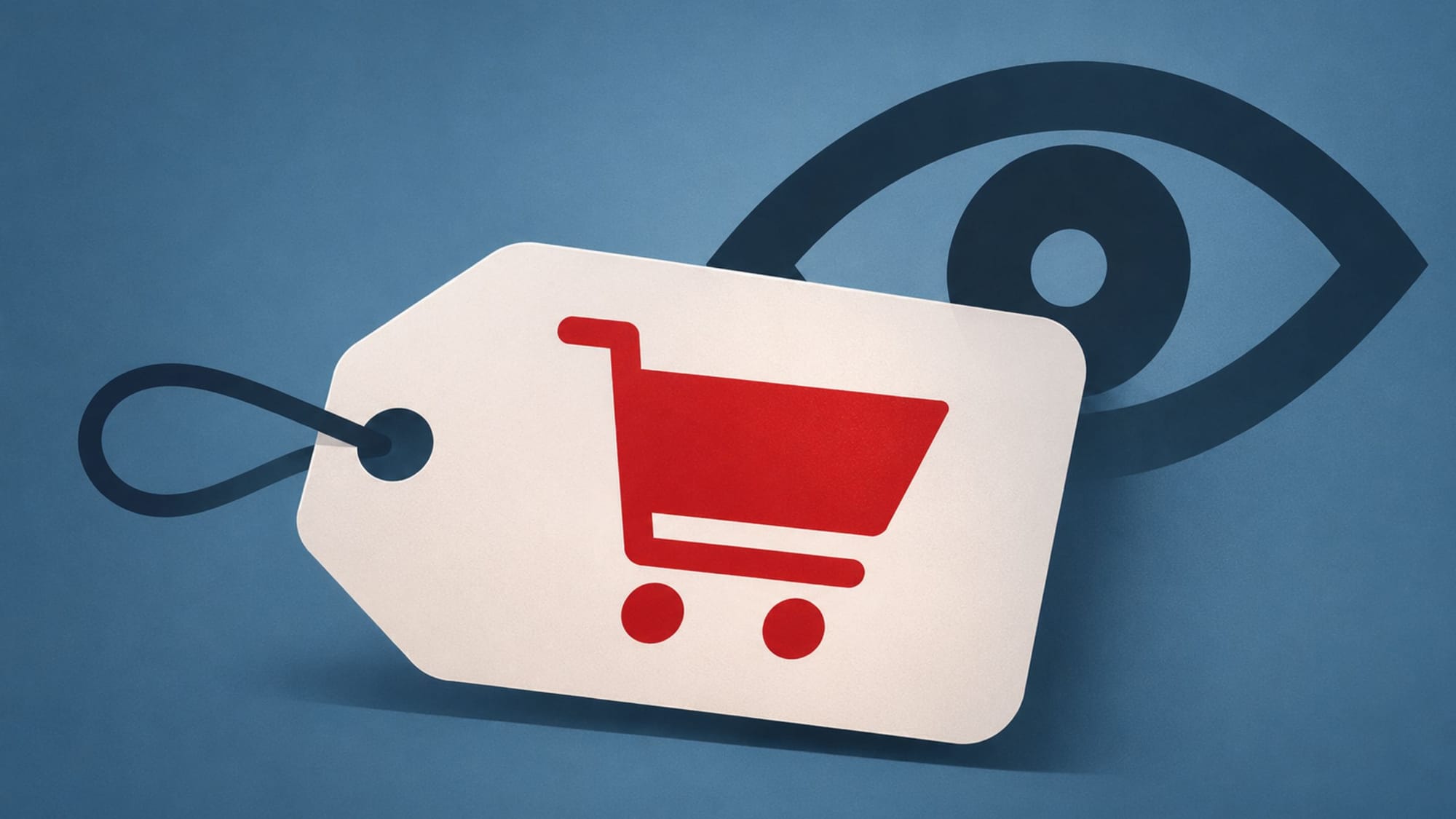
In the end, it all comes down to the fact that the price you see on the screen is becoming a verdict on the person looking at it. While Michigan’s bills may go after some of the most egregious instances of abuse, the carve-outs, such as the one concerning loyalty programs, and the fact that shoppers have no way to sue, means that the data collection machine would keep running, and the price tag would still be watching you.