The British government is broadening its effort to move official credentials and services onto digital platforms, even as initial public interest in existing digital ID options remains very low.
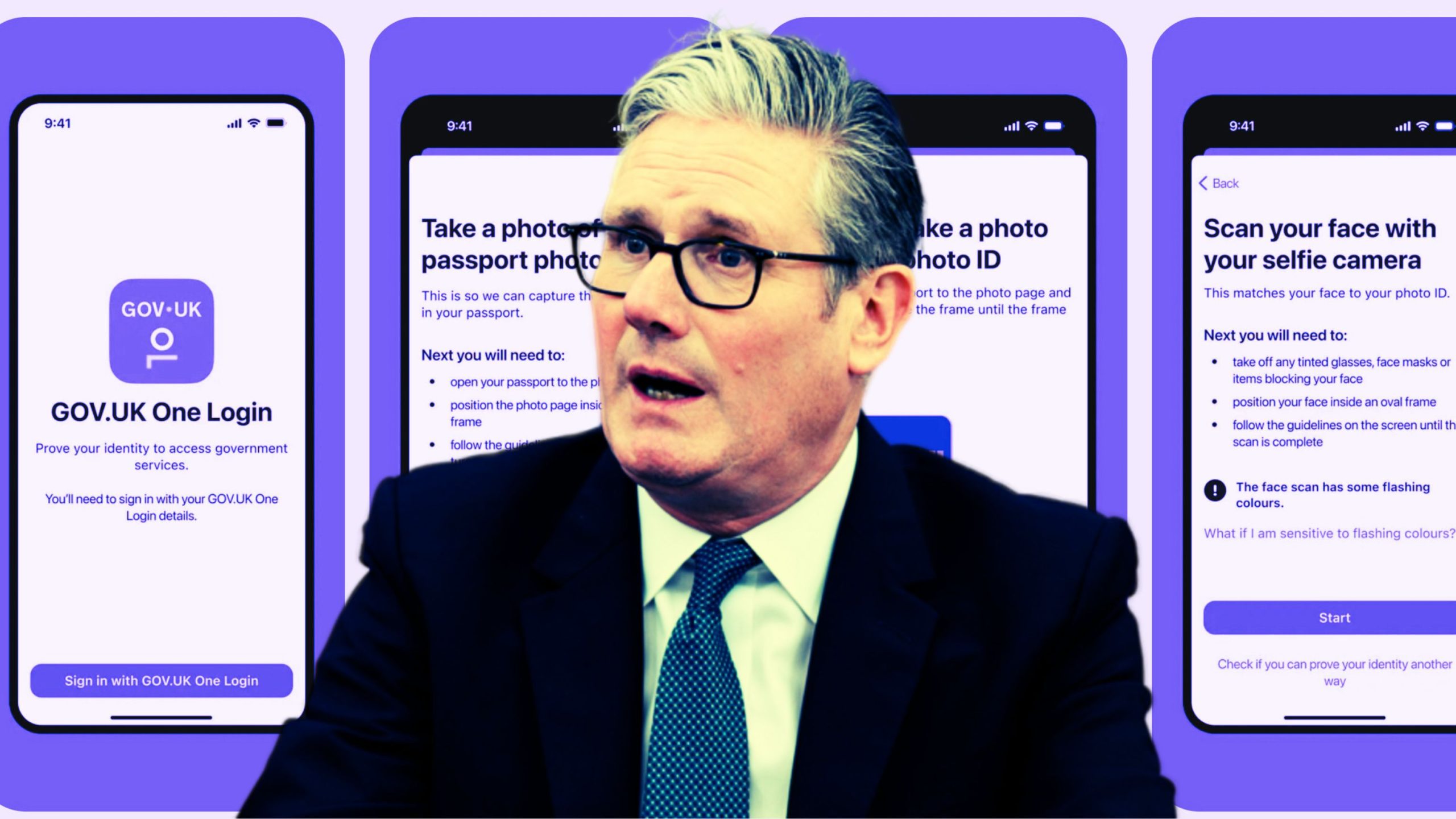
In December 2025, authorities began private trials of a digital driver’s license using the GOV.UK One Login app and this week they released a comprehensive plan outlining how digital identity technology will play a central role across government services.
Despite the long-term vision, uptake so far has been extremely limited. Government figures show that only 15,000 veterans have successfully added the digital Veteran Card to the GOV.UK One Login app, an adoption rate of about 1%. This suggests that most people are not choosing to use the digital ID tools currently available.
The newly released roadmap for “modern digital government” lays out how digital identity is expected to connect numerous public services. Multiple sections of the plan reference efforts to promote and expand digital ID.
A government blog post in the plan says the government is “strengthening our digital public infrastructure.”
The digital public infrastructure (DPI) program is widely championed by external organizations, including the United Nations (UN), the European Union (EU), the World Economic Forum (WEF), and the Bill Gates collective to describe systems meant to support digital identity and digital payments by 2030.
One section titled “Making people’s interactions with government easier and public services work better with digital ID” focuses on issuing digital ID credentials to all British citizens and others legally present in the UK, as well as mandating digital right-to-work checks.
Another part of the document titled “Delivering personalised and proactive services through the GOV.UK app” discusses using artificial intelligence-powered features. The plan also describes testing “making local government services available through the GOV.UK app.”
A section called “Enabling access to government documents on the go with GOV.UK Wallet” lays out intentions for a GOV.UK Wallet app in which all government credentials will be available by the end of 2027.
On health services, a section titled “Digitising the NHS to give patients more control over their care” discusses evolving the NHS app into a central digital health ID and calls it the “secure single digital front door to the NHS, allowing patients to control their health records and access care.”
The plan also mentions a “Single Unique Identifier” for children included in the Children’s Wellbeing and Schools Bill, the same bill with broad age verification requirements for social platforms and VPNs, and notes that this identifier has already been piloted, a description that echoes what many see as a form of digital ID for children.
Motorists in the UK are now experiencing the first practical use of a digital government credential. The government has begun private trials of a digital driver’s license, making it possible for participants to store their license securely on a smartphone through the GOV.UK One Login app.
The trial started with staff from the Government Digital Service (GDS) and the Driver and Vehicle Licensing Agency (DVLA) among the first users.
A GDS spokesperson said the digital license trial is the “culmination of the team’s efforts in building, stress-testing, designing, iterating, and speaking to users, all done in close partnership with the DVLA.”
Transport Secretary Heidi Alexander described the change as significant: “This is a game-changer for the millions of people who use their driving licence as ID. Innovation puts power back in the hands of the people, making everyday interactions faster, easier, and more secure. We are delivering on the Plan for Change by making public services work for everyone.”
Technology Secretary Liz Kendall emphasized that the digital license forms part of the government’s broader digital roadmap: “We want people to quickly check their car’s MOT status, renew their driving licence online, or prove their identity securely, putting power and control back in your hands.”
Recent headlines suggested the Labour government had backed away from plans for mandatory digital ID. But as we previously reported, that isn’t exactly true. What has changed is the language, not the structure. The government is still advancing compulsory digital identity checks, only distributed across work, services, and online access, rather than presented as one formal requirement.
Under the government’s emerging model, digital ID checks are expected to work very differently from the informal, human inspection used today.
Instead of briefly showing a physical card to another person, citizens would be required to pass through an active electronic verification each time their identity is checked.
The intention is to prevent digital credentials from being treated like static documents that can be glanced at and accepted on sight.
Josh Simons, the minister overseeing the digital ID program, confirmed everyone’s worst fears and made clear that the government does not want digital IDs to function as simple visual substitutes for passports or driver’s licenses.
Answering a written parliamentary question from Conservative MP Blake Stephenson, Simons said, “To help guard against fake digital IDs, we propose that any checking of such IDs will be done via a robust digital process.”
He added, “For example, we do not think people should be able to flash their digital ID on their phone screen. This will help ensure a digital ID has not been faked, tampered with, or revoked.”
Those who said that showing ID on a smartphone was just like showing a physical ID could not have been more wrong.