
Topic: AI Act
The AI Act represents a significant regulatory effort by the EU, aimed at controlling AI technologies under the guise of combating disinformation and ensuring safety. However, it raises serious concerns about enabling mass surveillance and censorship, as it could empower governments and corporations to monitor and restrict individual expression. The implications for privacy and free speech are profound, as these regulations may prioritize control over innovation and personal liberties.
-
EU Leaders Advocate Stronger Censorship Regulation to Counter “Disinformation” Threats
Europe’s push against disinformation doubles as a battle to define who gets to frame reality online.
-

Von der Leyen Defends EU Censorship Rules Amid Criticism, Targets X, Meta, Apple, and TikTok Under DSA, DMA, and AI Act
EU enforces Digital Services Act, AI Act, and Digital Markets Act against X, Meta, Apple, TikTok, and Elon Musk.
-
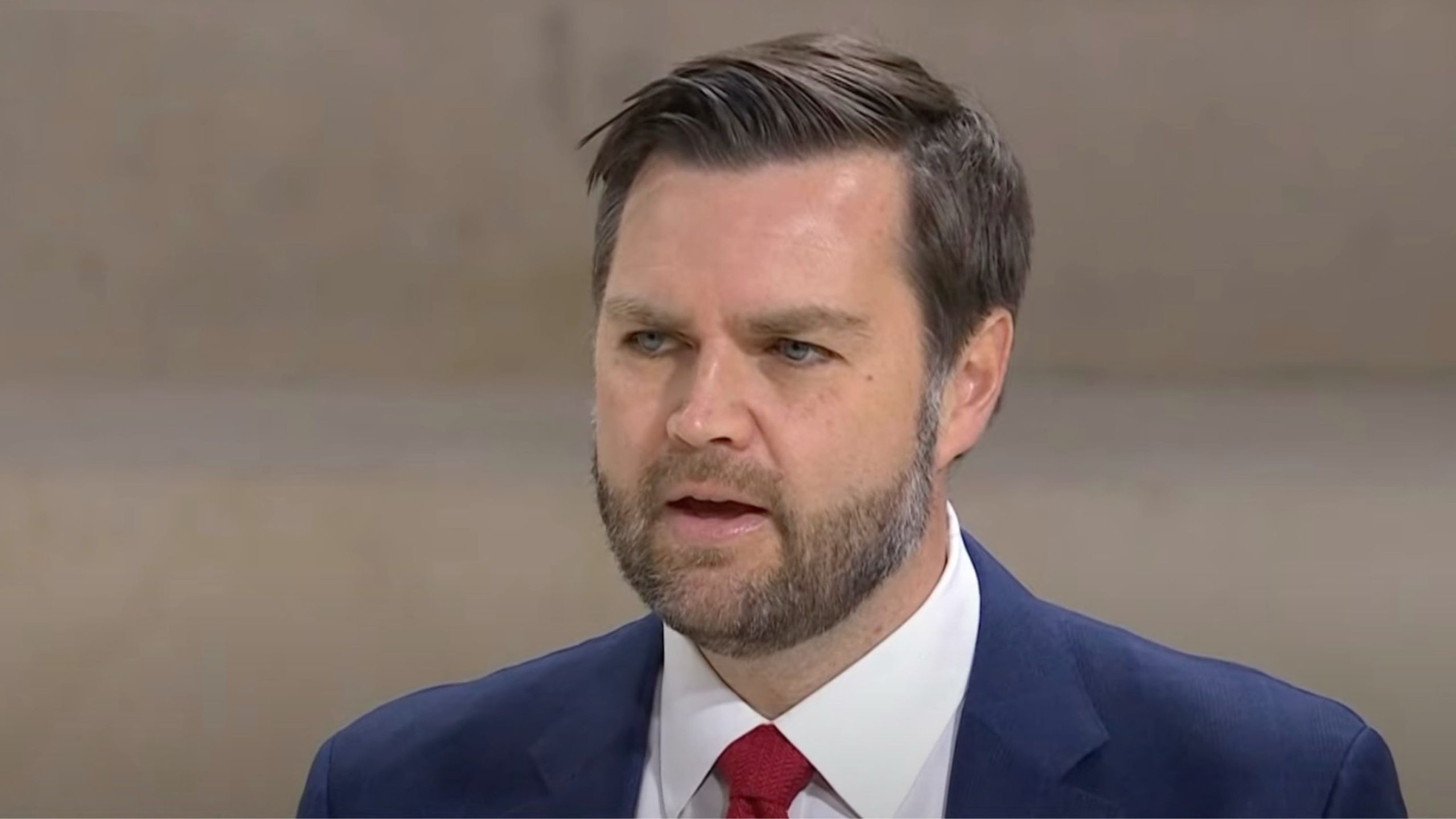
JD Vance Draws a Line on AI Rules at Paris Summit, Defends Free Speech and US Tech
Vance rejects global AI regulations at Paris summit, warning they threaten US innovation, free speech, and tech leadership.
-
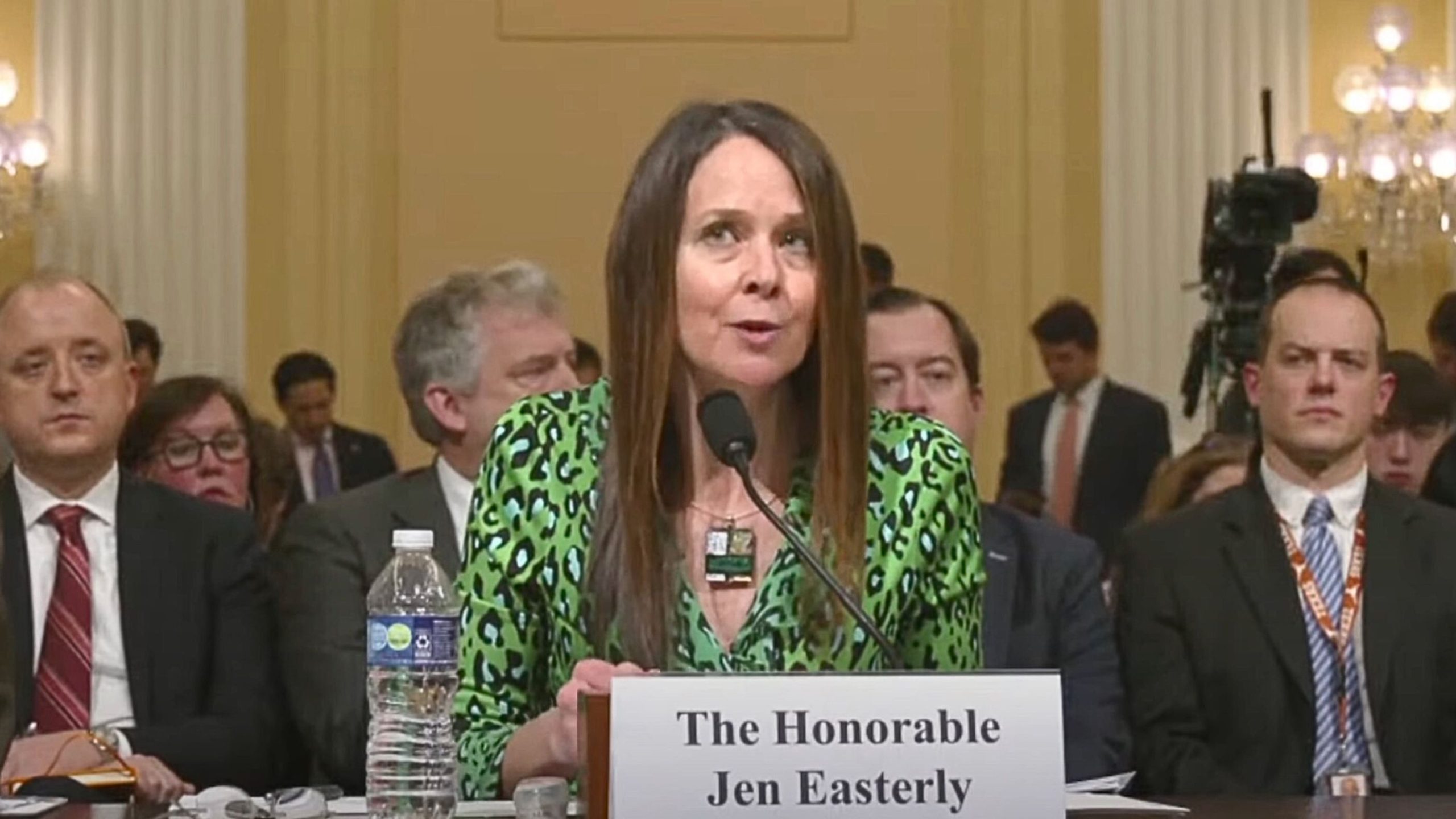
CISA Chief Calls For AI Image-Labeling Legislation
Does the push for regulation mask an agenda to control political discourse under the guise of combating disinformation?
-

European Council Approves the AI Act — a Law Accused of Legalizing Biometric Mass Surveillance
The EU’s European Council has followed the European Parliament (EP) in approving the AI Act – which opponents say is…
-
EU Passes the AI Act — A Law Accused of Legalizing Biometric Mass Surveillance in Europe
Particularly as it relates to travel.
-

US Pushes for Global AI Regulations at UN, Calling for “Effective Safeguards”
The resolution calls for “responsible” and “inclusive” AI.
-

EU Commission President Ursula von der Leyen Praises EU Censorship Bill
During the State of the European Union.
-

France plots unprecedented AI surveillance for 2024 Olympics
Constant surveillance.
-
European Parliament requested facial recognition CCTV cameras, despite its public opposition to the technology
Privacy groups are asking questions.
-
Think tank criticism of open source AI regulation protects Big Tech
Ulterior motives.