
Topic: EU
The EU has implemented various policies that raise significant concerns regarding privacy, surveillance, and free speech. From mandatory age verification and social media ID checks to the introduction of chat surveillance and driver-facing cameras, these measures threaten individual liberties and privacy rights. The EU’s approach often prioritizes regulation over the protection of free expression, making it essential to scrutinize these developments.
-

Microsoft Decided Your Windows Settings Belong in Its Cloud
Microsoft turns Windows Backup on by default in Windows 11 26H2, sending your settings and Store apps to the cloud.
-
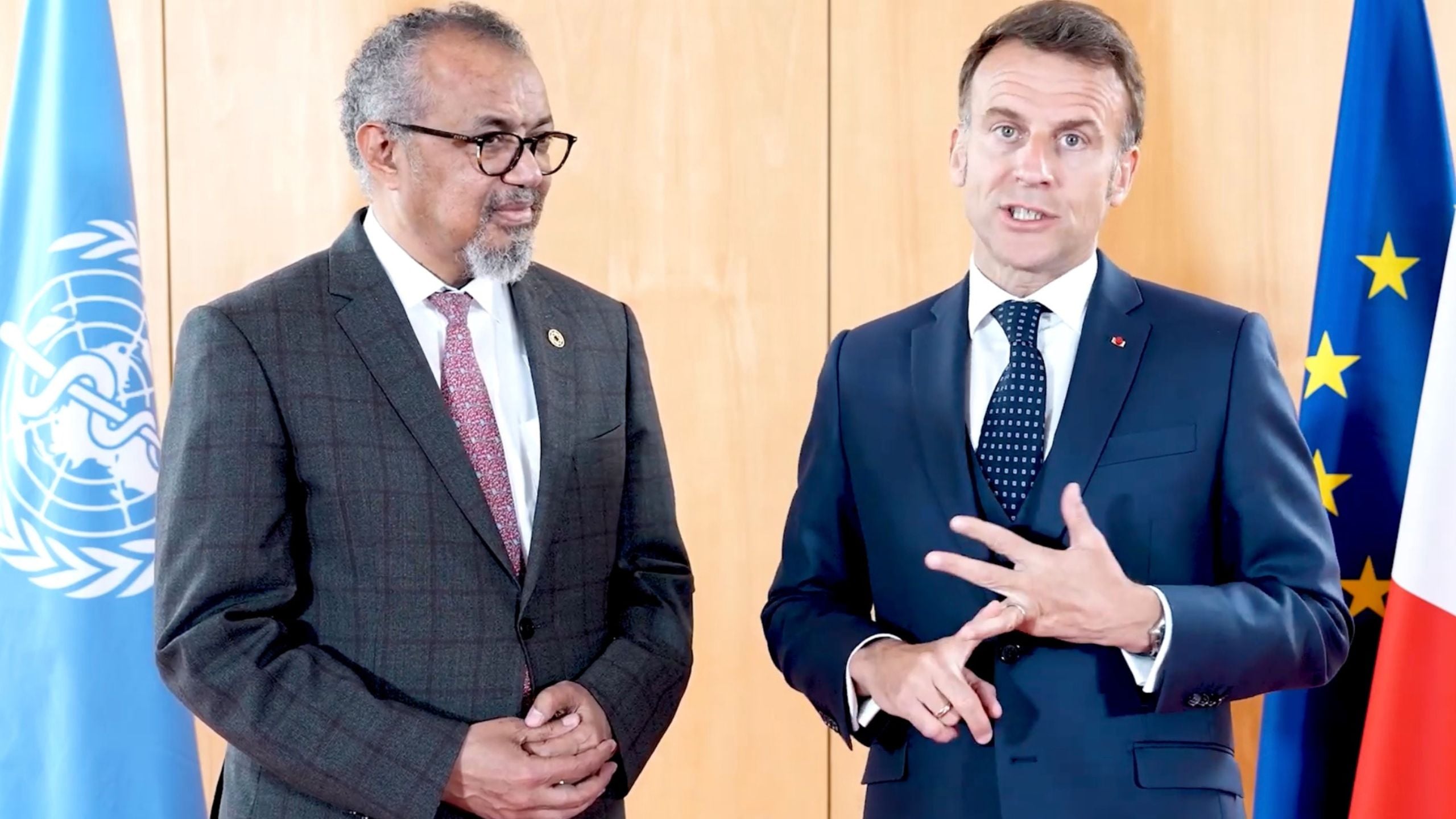
France and WHO Push Social Media ID Checks
The pitch is protecting kids from algorithms. The mechanism is a permanent identity checkpoint over the entire internet.
-
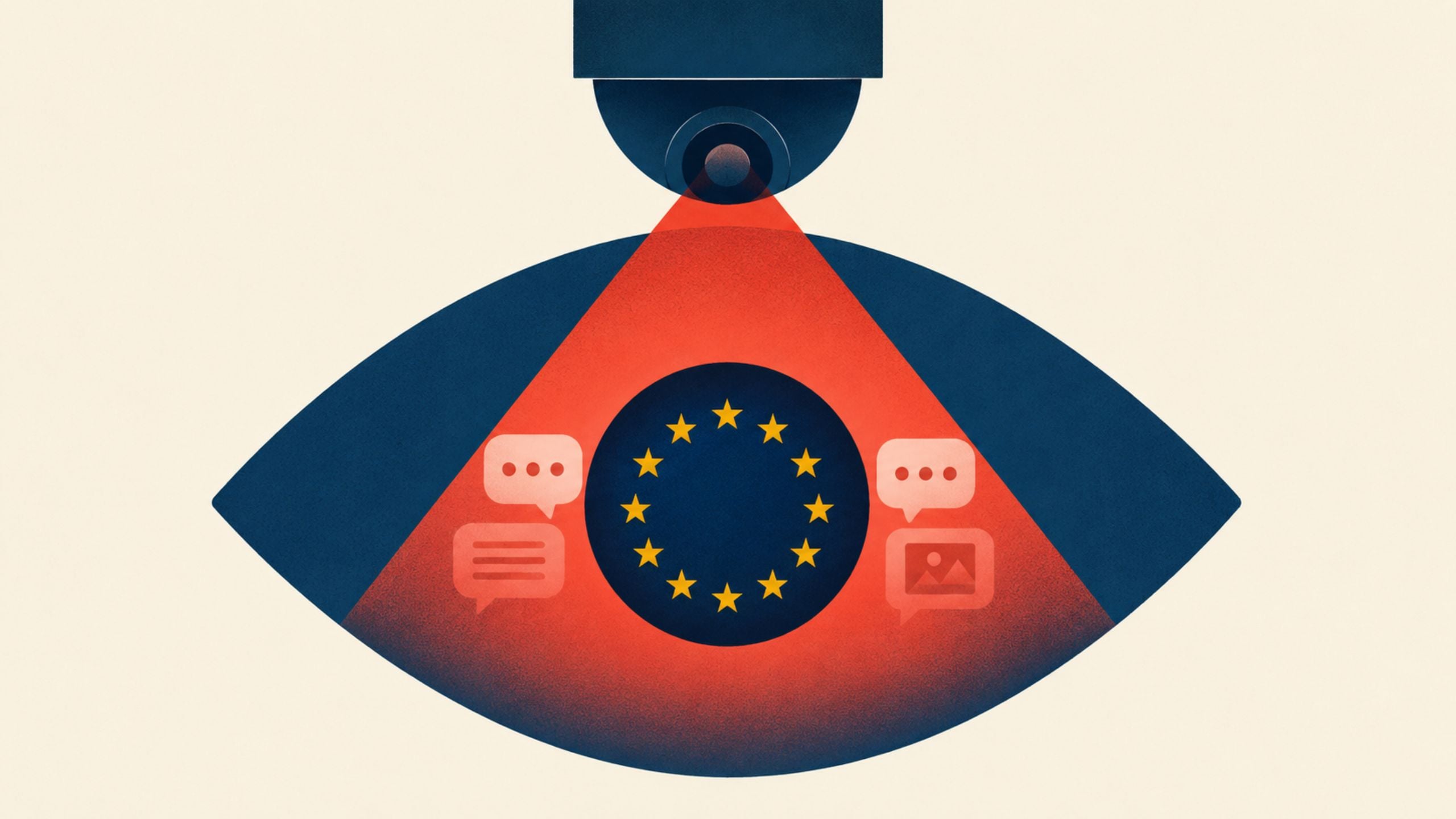
EU Brings Back Chat Surveillance, Even As More MEPs Vote No
Every empty chair in Strasbourg counted as a vote for the surveillance nobody in the room had the numbers to…
-
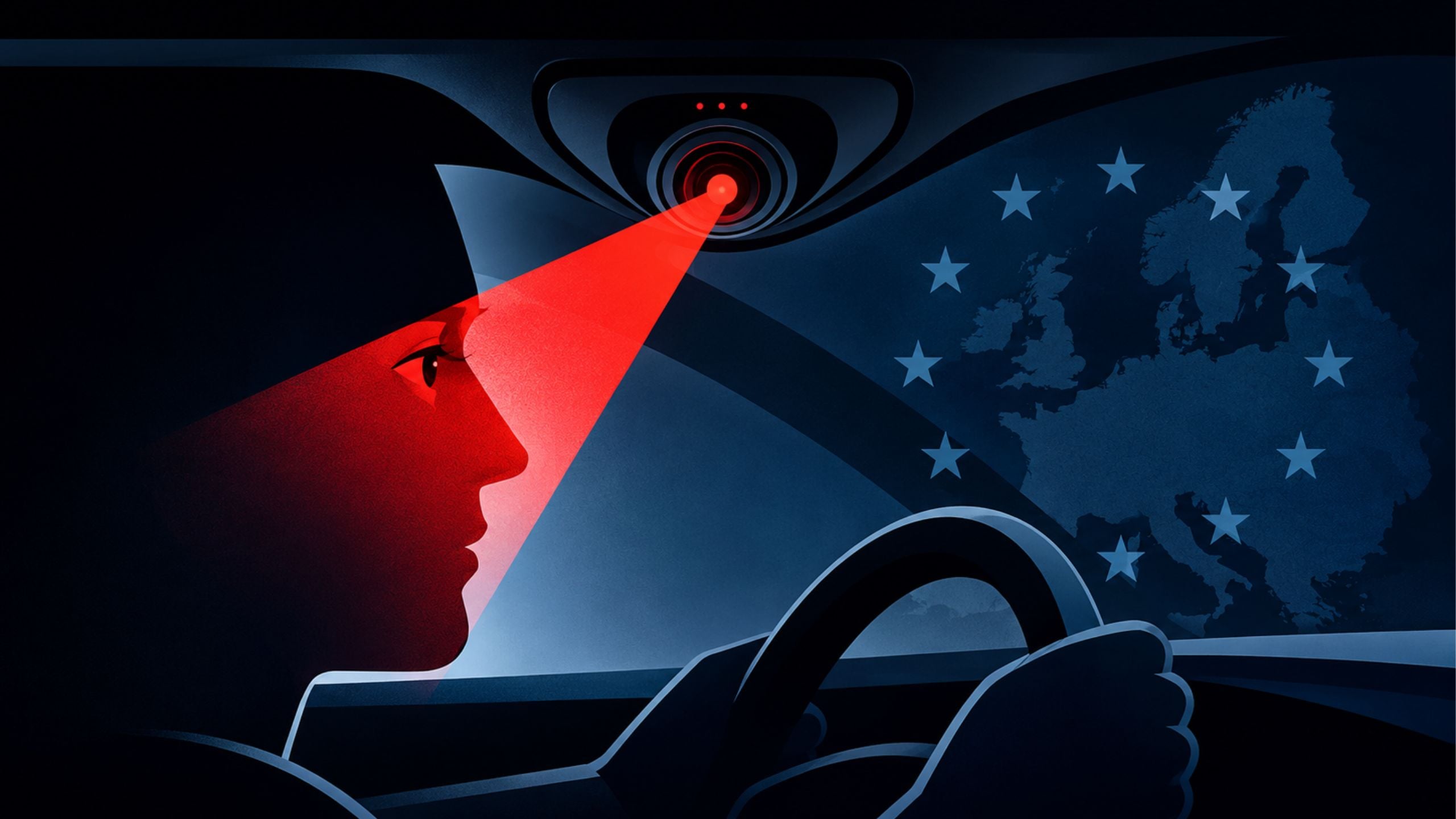
EU Mandates Driver-Facing Cameras in New Cars From Today
Surveillance just became a factory-fitted option you can’t decline.
-

EU Reddit Users Must Verify Age With Government ID or Selfie
Child safety is the reason on the label. Look at what’s actually in the box.
-
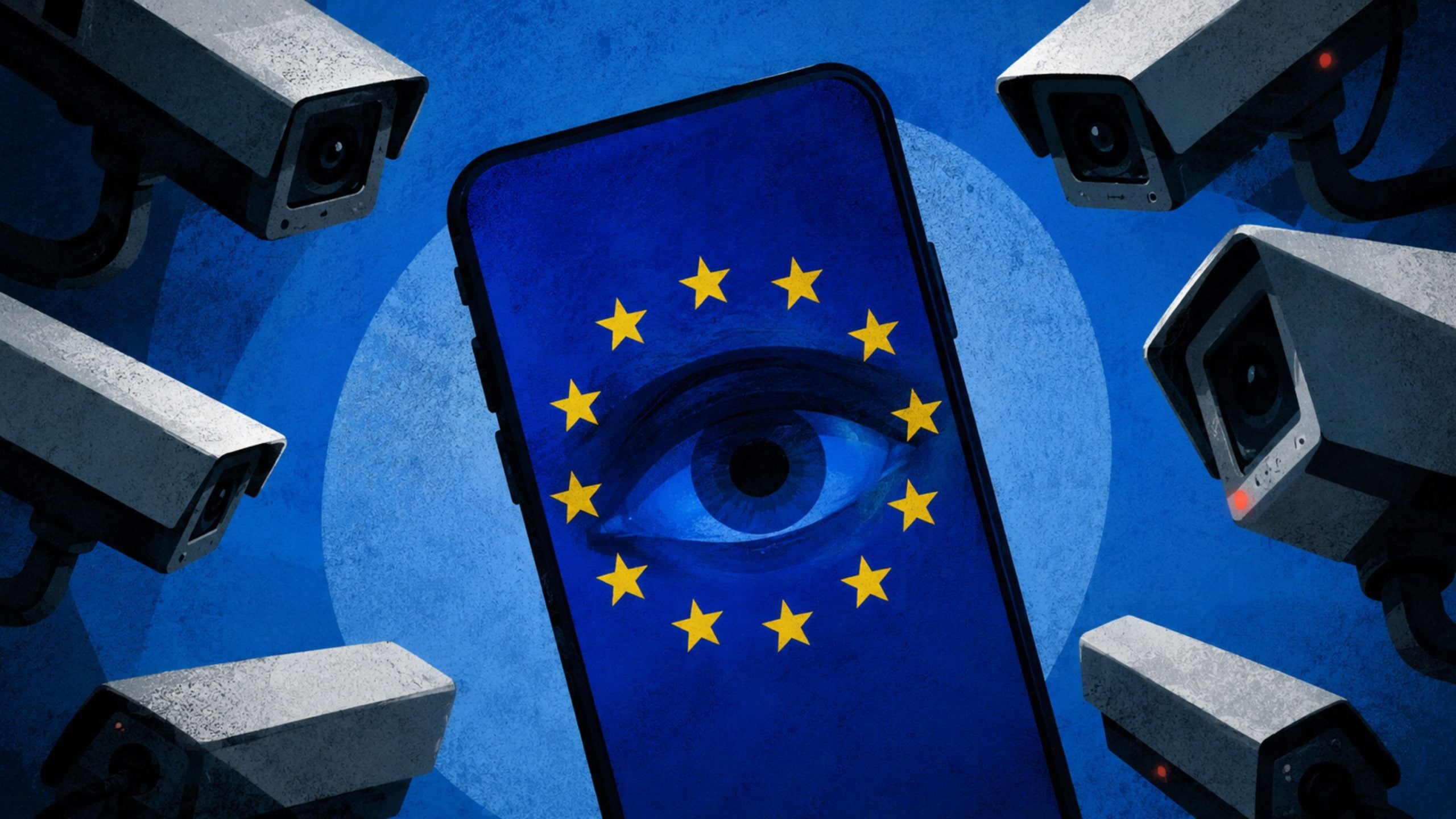
Brussels Could Reopen the Fight to Scan Your Private Chats
Lawmakers killed this in March but Brussels is back four months later asking for a do-over.
-

What to Like and What to Question About Europe’s New Open Source Office Push
The same governments selling you a sovereign office suite are the ones legislating their way past the encryption it would…
-

Google Wants to Be the ID Checkpoint for Europe’s Internet
Google is volunteering to broker your legal identity for every ordinary thing you do online.
-
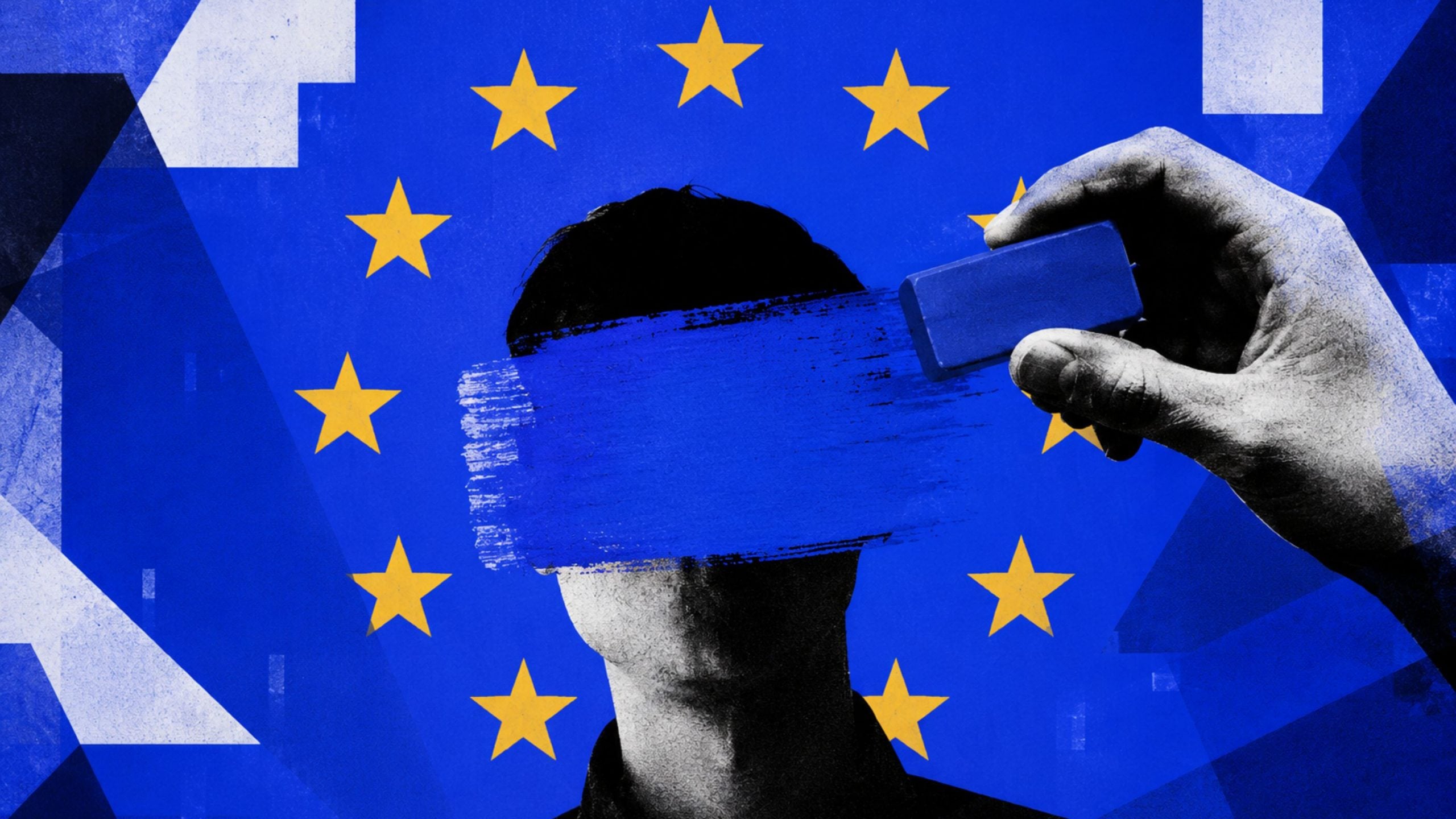
EU-Backed Appeals Center Accidentally Confirms the DSA Censorship Regime Is Unworkable
The body Brussels built to make its censorship regime work just published the numbers proving it can’t.
-
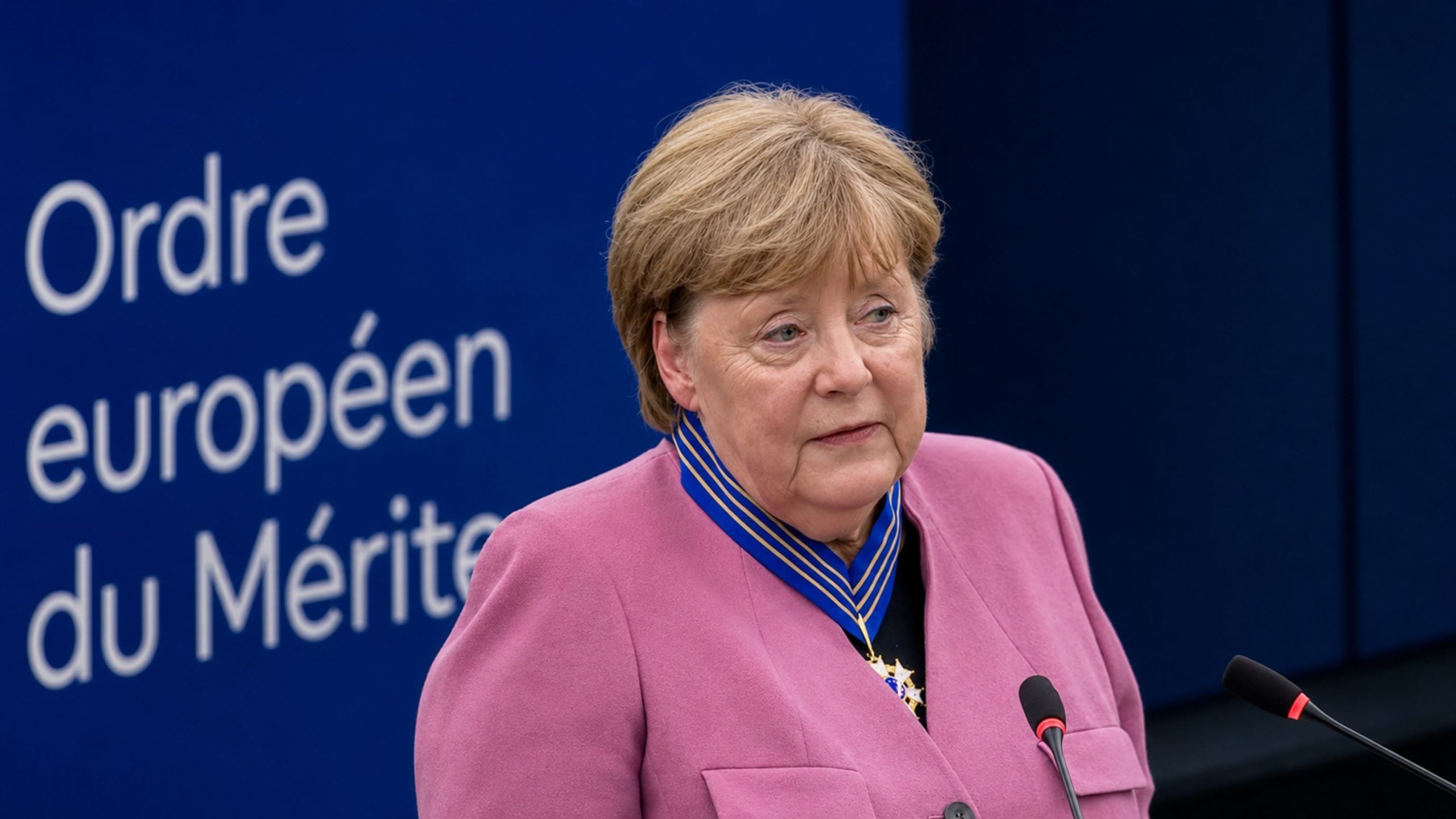
Merkel Urges EU to Keep Regulating Social Media Speech
The architect of Germany’s original internet censorship law now wants the whole continent to stop worrying and learn to love…
-

Europol Ran Secret Data Platforms on Millions of Innocents
The agency tasked with protecting Europe’s data built a secret two-petabyte surveillance machine that its own privacy officer couldn’t account…
-
EU Targets VPNs in EU Age Verification Push
Brussels wants to close the VPN loophole, even as it insists its official age verification app remains a mere suggestion.