
Topic: fake news
Fake news laws and regulations are increasingly being used by governments to suppress free speech under the guise of combating misinformation. These measures often lead to censorship, targeting journalists and independent media while enabling state control over public discourse. The implications for individual liberty and privacy are significant, as such laws can stifle dissent and limit access to diverse viewpoints.
-
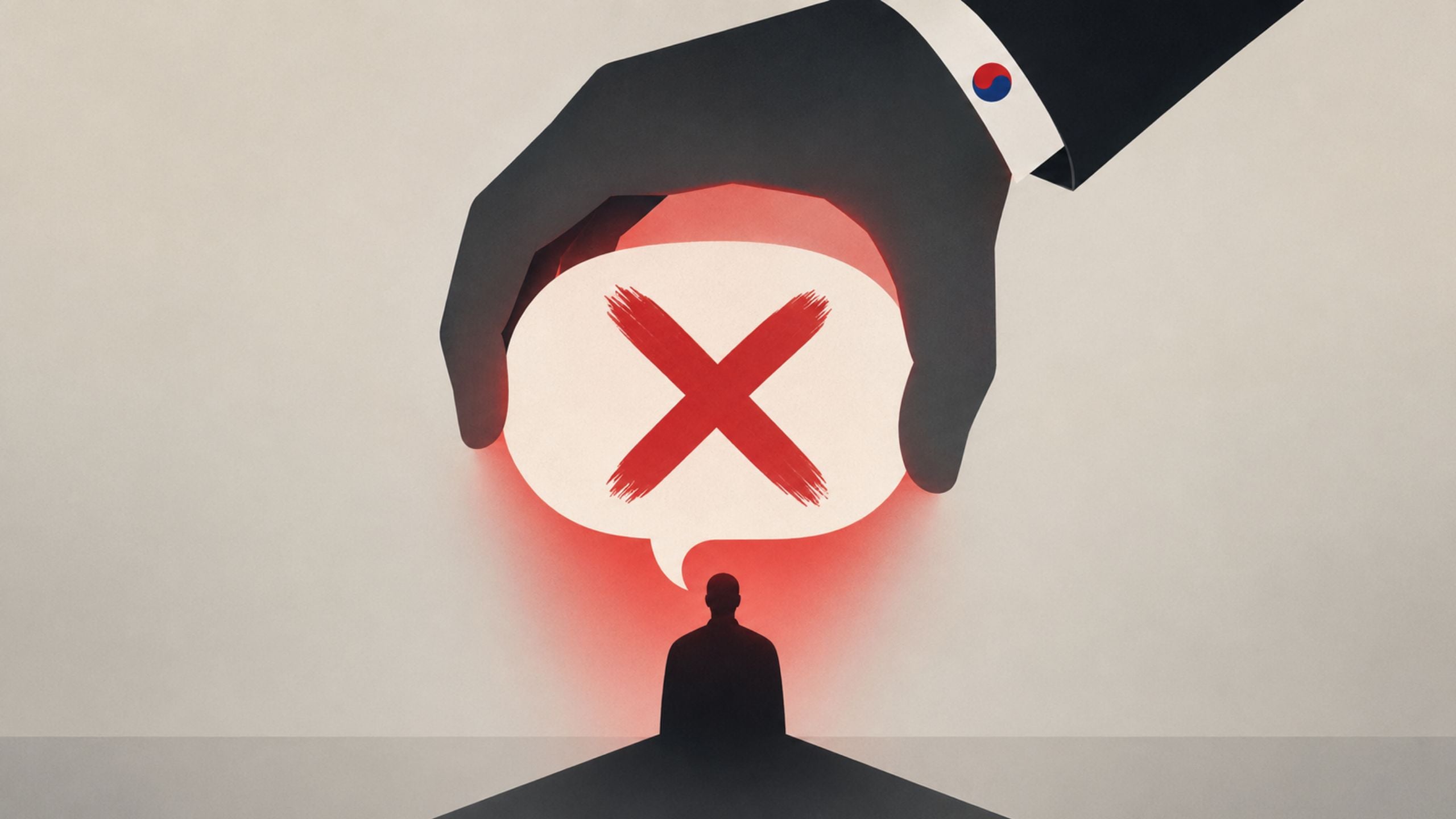
South Korea’s Fake News Law Puts a Price on Online Speech
Washington calls it censorship, the opposition calls it a gag law, and the ruling party calls it protection.
-
Germany’s CDU-SPD Coalition Eyes Stricter Online Speech Controls
Germany’s plan to police online speech reads less like policy and more like a control manual in beta.
-
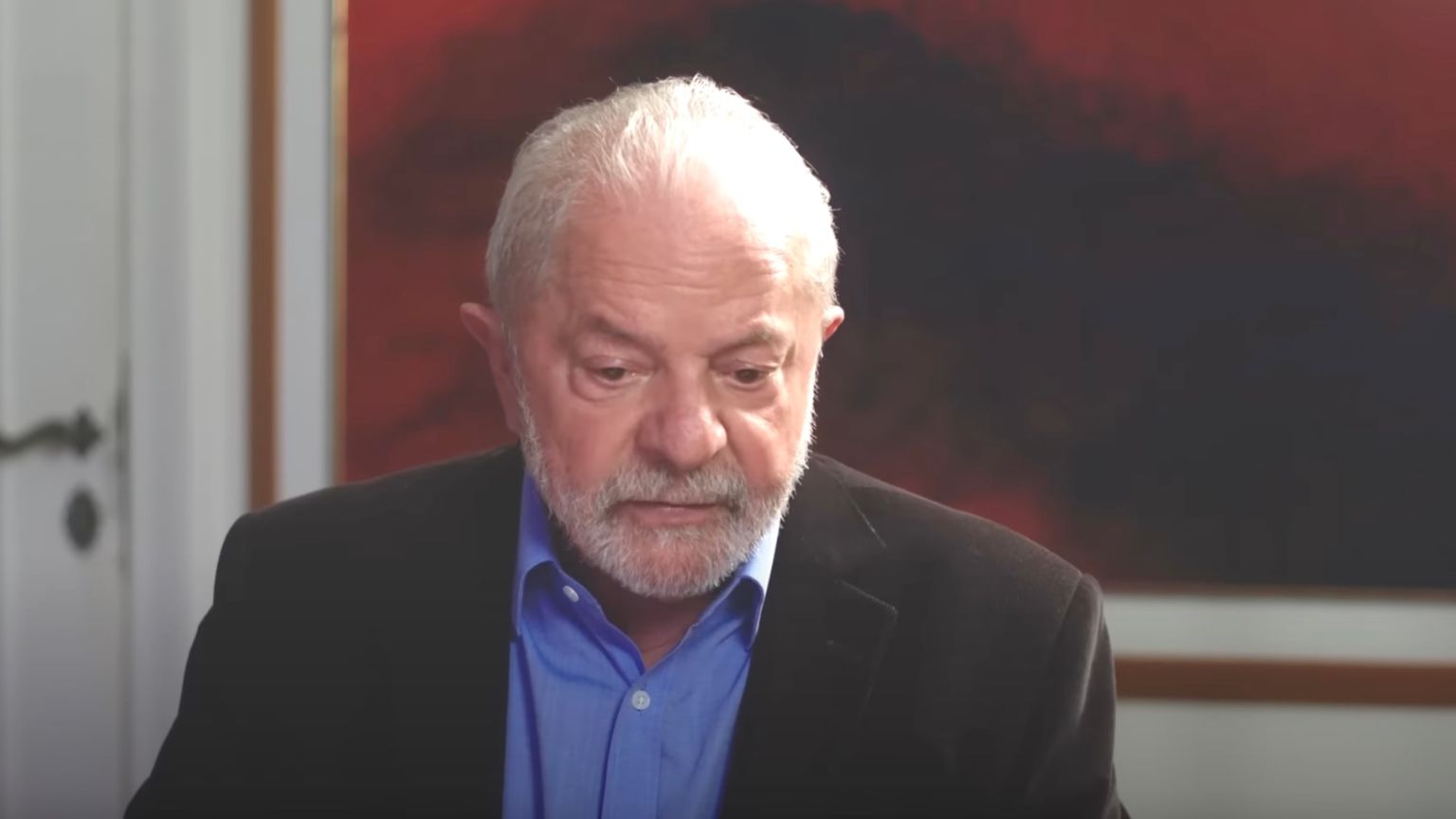
Brazil outlines law to ban online “fake news” and “hate speech”
More speech control.
-
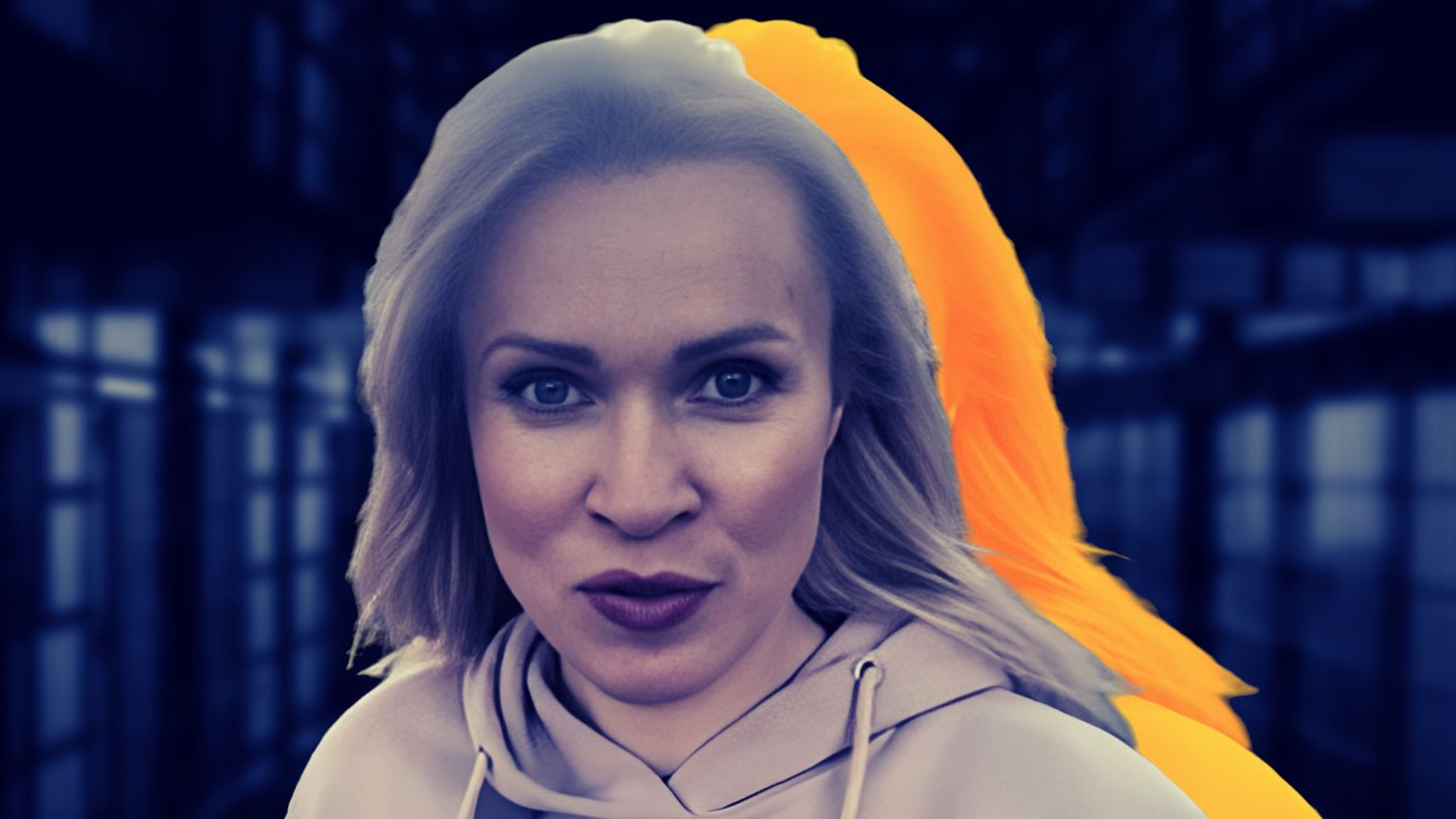
Russian journalist is jailed for sharing “fake news” on social media
Jailed for six years.
-
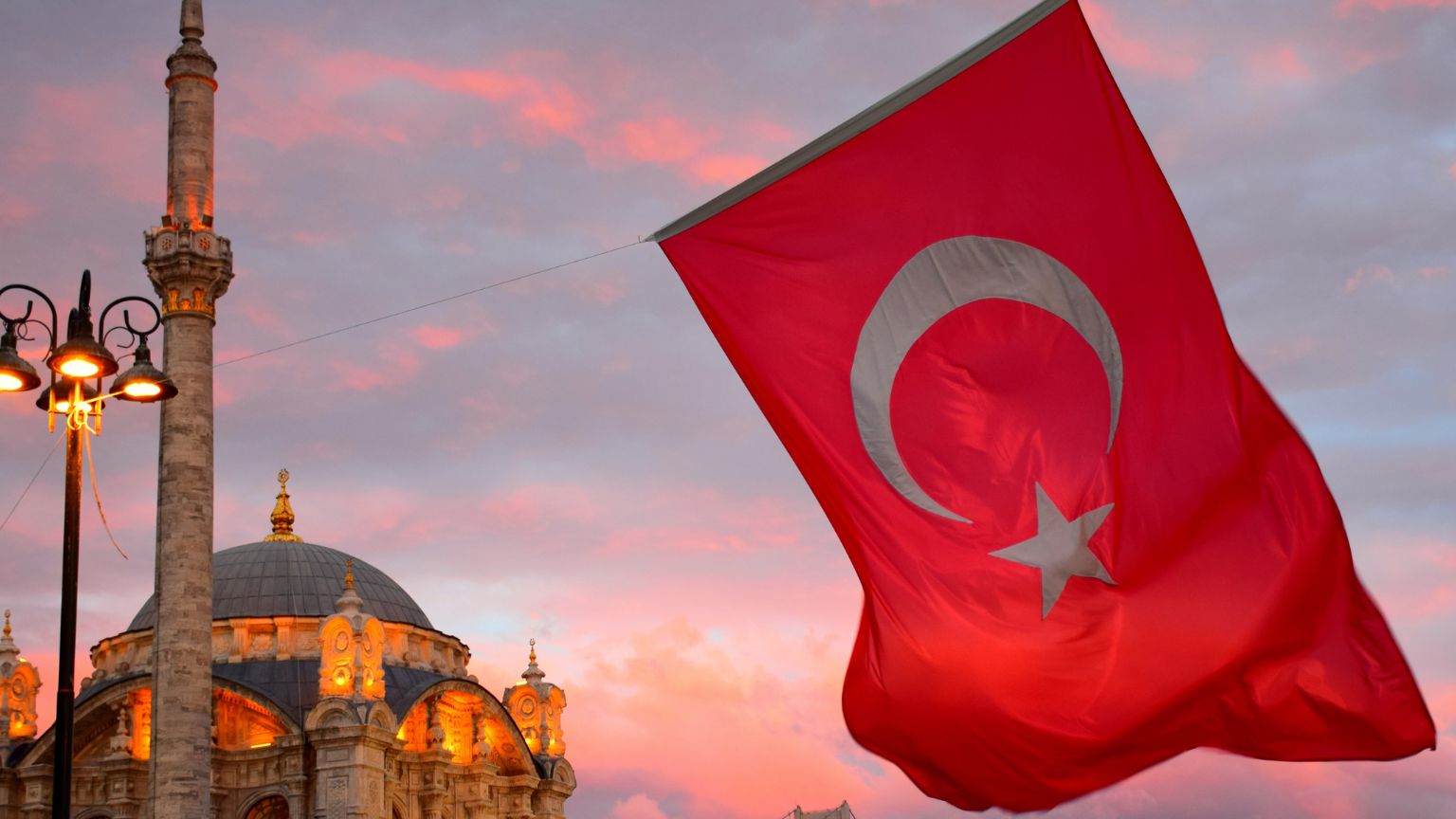
Turkey’s censorship law is harming independent media outlets
The fallout from the “fake news” law.
-
Egypt charges four journalists for “fake news” over article alleging corruption
Suppressing journalism.
-
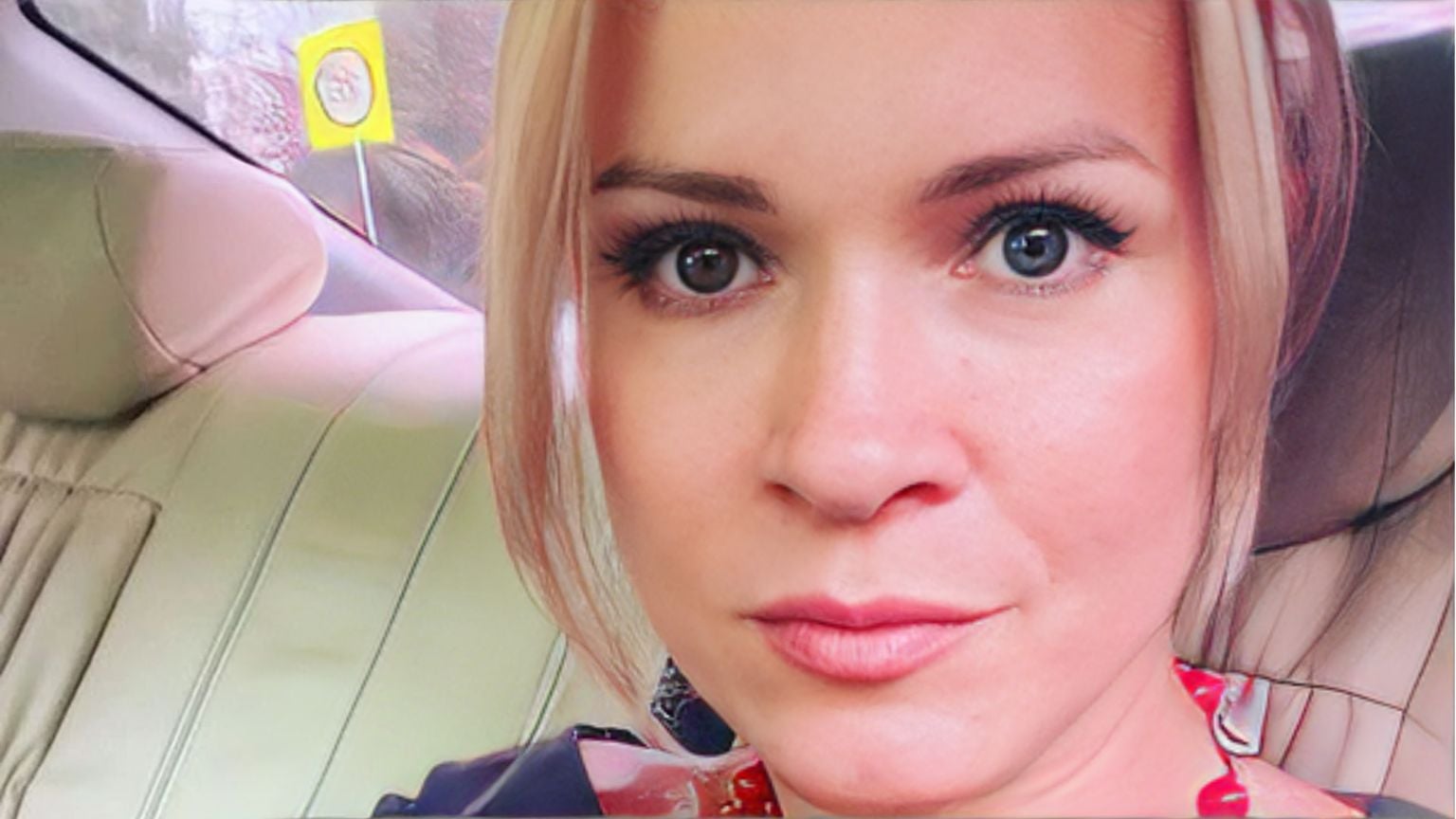
Russian journalist detained in psychiatric hospital over “fake news” posts on Telegram
Suppressing journalists under the guise of them sharing “misinformation.”
-

Telegram to start flagging “fake news” in Brazil
Censoring for the elections.
-
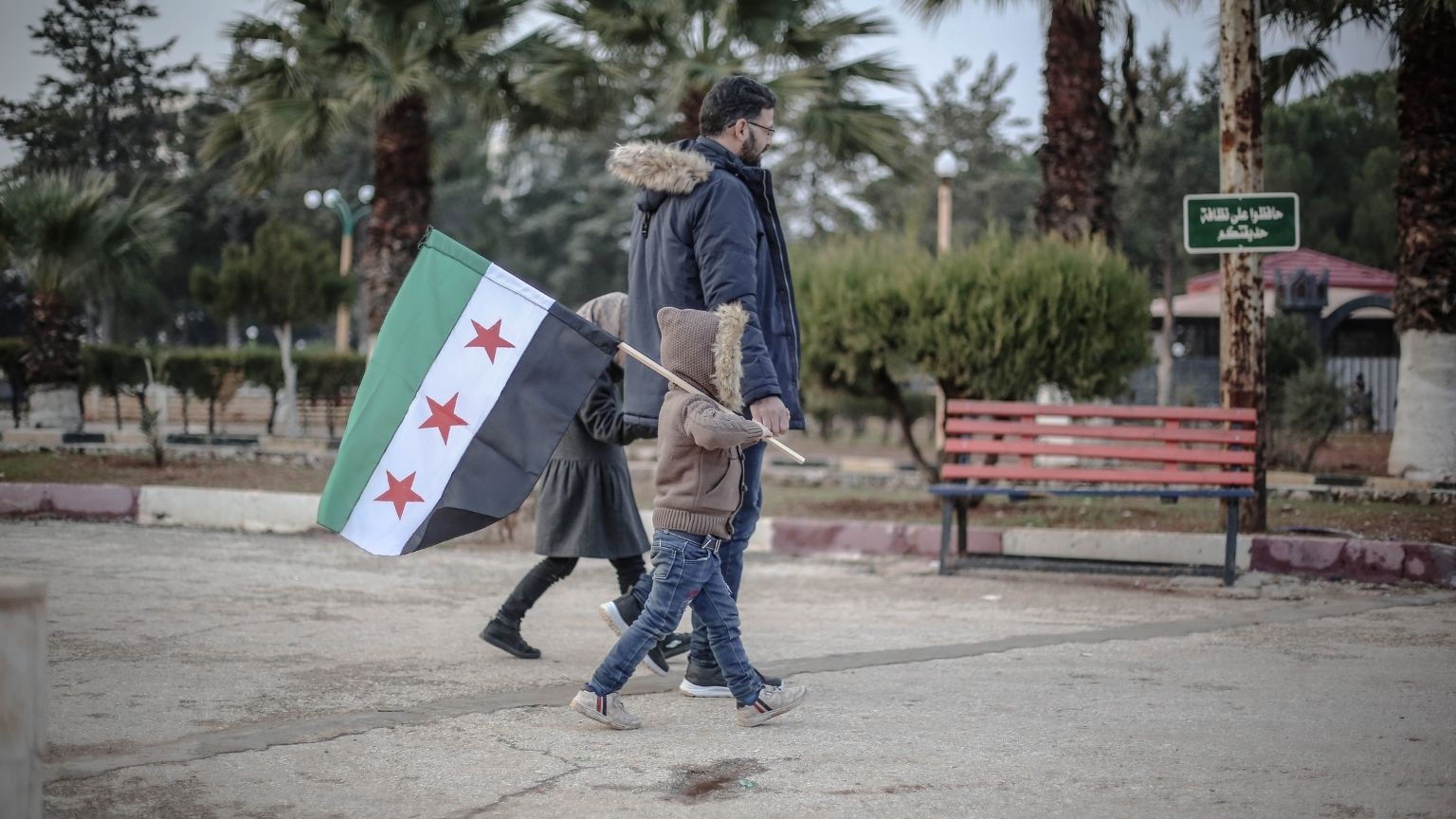
Syrians face 15 years in prison for criticizing the government online
Updating a previous law.
-
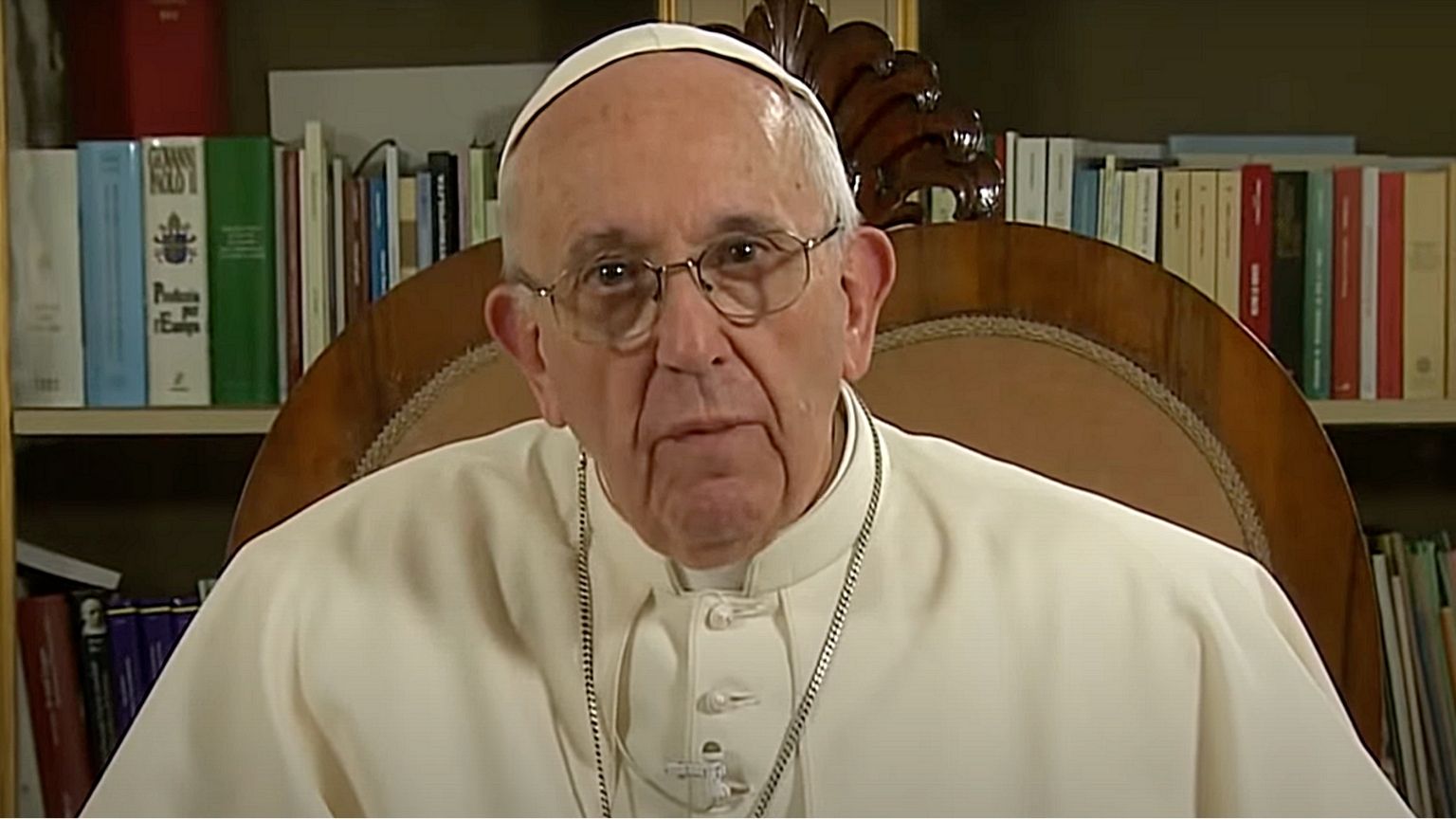
Pope Francis criticizes social media for allowing “misinformation” to spread
The Pope targets social media algorithms.
-
BBC chairman calls for crackdown on speech online
Will likely back calls for regulation.
-
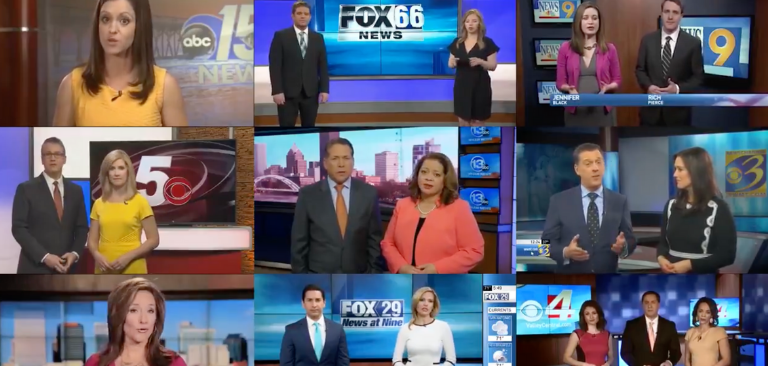
Local news pushing for social media censorship smells like propaganda
Forced narratives.