
Topic: Nigeria
Nigeria’s approach to digital identity and internet regulation raises significant concerns about privacy and free expression. The government’s push for centralized digital ID systems and the blocking of mobile numbers not tied to national IDs exemplify the risks of surveillance and censorship. Additionally, the country’s history of banning social media platforms like Twitter highlights the ongoing threat to free speech in the name of regulation.
-

Nigeria’s Data Breach Allegations Expose Risks of Centralized Digital ID Systems
A single compromised login in Nigeria’s national ID system could become a skeleton key to millions of lives.
-

World Economic Forum Pushes for Interoperability of Centralized Currency To Ensure Global “Success”
CBDCs allow governments to monitor and control how citizens spend their money.
-

Gates Foundation Doubles Down on Push For Digital ID and Payments in Nigeria
Plotting the expansion of digital ID.
-

Florida Governor Ron DeSantis takes a stand against digital currency: Here’s why he’s pushing for a CBDC ban
“What the central bank digital currency is all about is surveilling Americans and controlling behavior of Americans.”
-
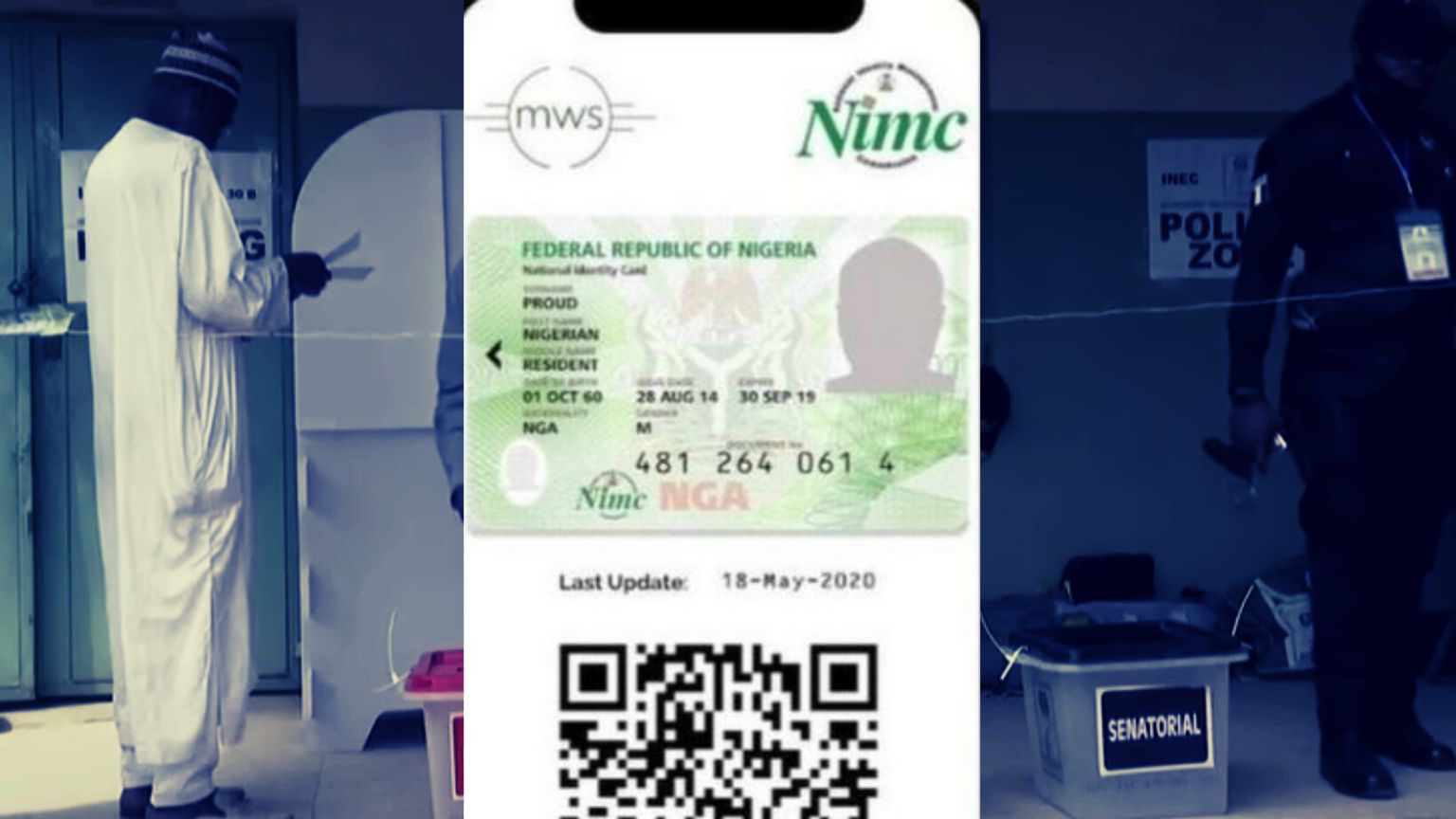
Privacy activists lament after biometrics are used at Nigerian polls
Major privacy concerns.
-

-
Nigeria will be a testing ground for Microsoft’s digital ID tech
Funded by the World Bank.
-
Nigeria plots new internet regulation
A new draft bill.
-
Nigeria blocks 73 million mobile numbers for not being tied to national ID system
Major privacy and civi liberties concerns.
-
Nigeria ties all SIM cards to national ID system
Hindering privacy rights.
-

Nigeria is ordered to amend internet censorship law
Particularly the sections against “fake news” and “cyberbullying.”
-

Facebook censored UK Catholic charity
No explanation was given.