
Topic: reCAPTCHA
reCAPTCHA, developed by Google, raises significant privacy concerns as it often requires extensive user data, including camera access and behavioral tracking, to distinguish between humans and bots. This technology not only contributes to a more controlled online environment but also reflects a growing trend of surveillance and data collection that undermines individual privacy. The implications of reCAPTCHA extend beyond user experience, as it can create barriers to access for those who prioritize privacy and resist intrusive data practices.
-

Google’s New reCAPTCHA Wants Your Camera Access and 21 Points of Your Hand
The same company that monetizes everything you do online would like to switch on your camera.
-

The Web Is Splitting Into Approved and Unapproved Humans
Google asked permission to gate the open web in 2023, got rejected, and just shipped the same thing as a…
-

Google Broke reCAPTCHA for De-Googled Android Users
The company that decides whether you’re a bot now also requires you run its software to prove otherwise.
-

Google’s “I am not a robot” reCAPTCHA can easily be beaten by a robot
It doesn’t take a lot of time, either – 14.86 seconds in the first, and 5.27 in the second scenario.
-
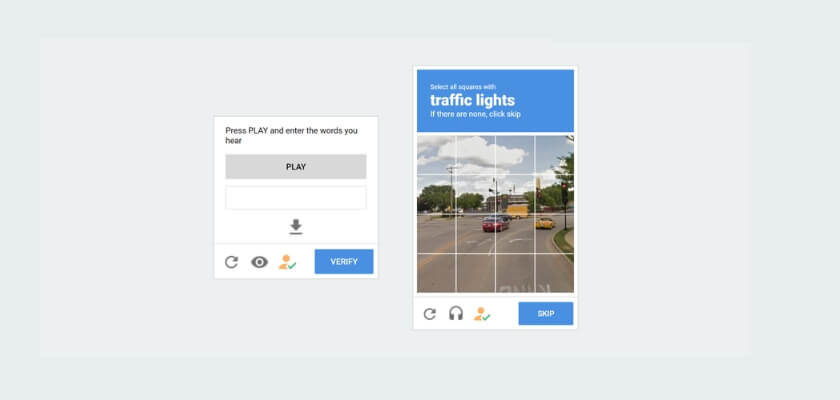
Buster is a new browser extension that automatically solves annoying CAPTCHAs for you
A new open-source plug-in, Buster, will solve these tests for you by employing automatic speech recognition to solve reCAPTCHA audio…