
Topic: Take It Down Act
The Take It Down Act represents a significant threat to free speech and privacy by establishing a mechanism for rapid online censorship without adequate safeguards. This legislation, aimed at addressing deepfakes and non-consensual imagery, risks enabling arbitrary takedowns and increased surveillance under the guise of protecting individuals. Advocates for digital rights warn that such measures could undermine the First Amendment and pave the way for broader censorship.
-
Days Away: The TAKE IT DOWN Act Creates a Censorship Mechanism With No Safeguards
The law Congress unanimously passed to fight revenge porn also handed anyone with an internet connection and a grudge a…
-
White House AI Framework Pushes Age Verification ID Mandate
Calling age verification requirements “privacy protective,” is a bit like calling a honeypot “security infrastructure.”
-
As Expected, a Hearing on Kids Online Safety Becomes a Blueprint for Digital ID
The room buzzed with moral urgency, but the real agenda was control disguised as compassion.
-
Senator Amy Klobuchar Can’t Take A Joke, Demands Censorship Law
A senator’s wounded ego just became the blueprint for federal speech policing.
-
Senators Champion NO FAKES and TAKE IT DOWN Acts to Combat “Deepfakes,” Despite First Amendment Alarms
Congress is building a censorship machine disguised as child protection and artist rights.
-
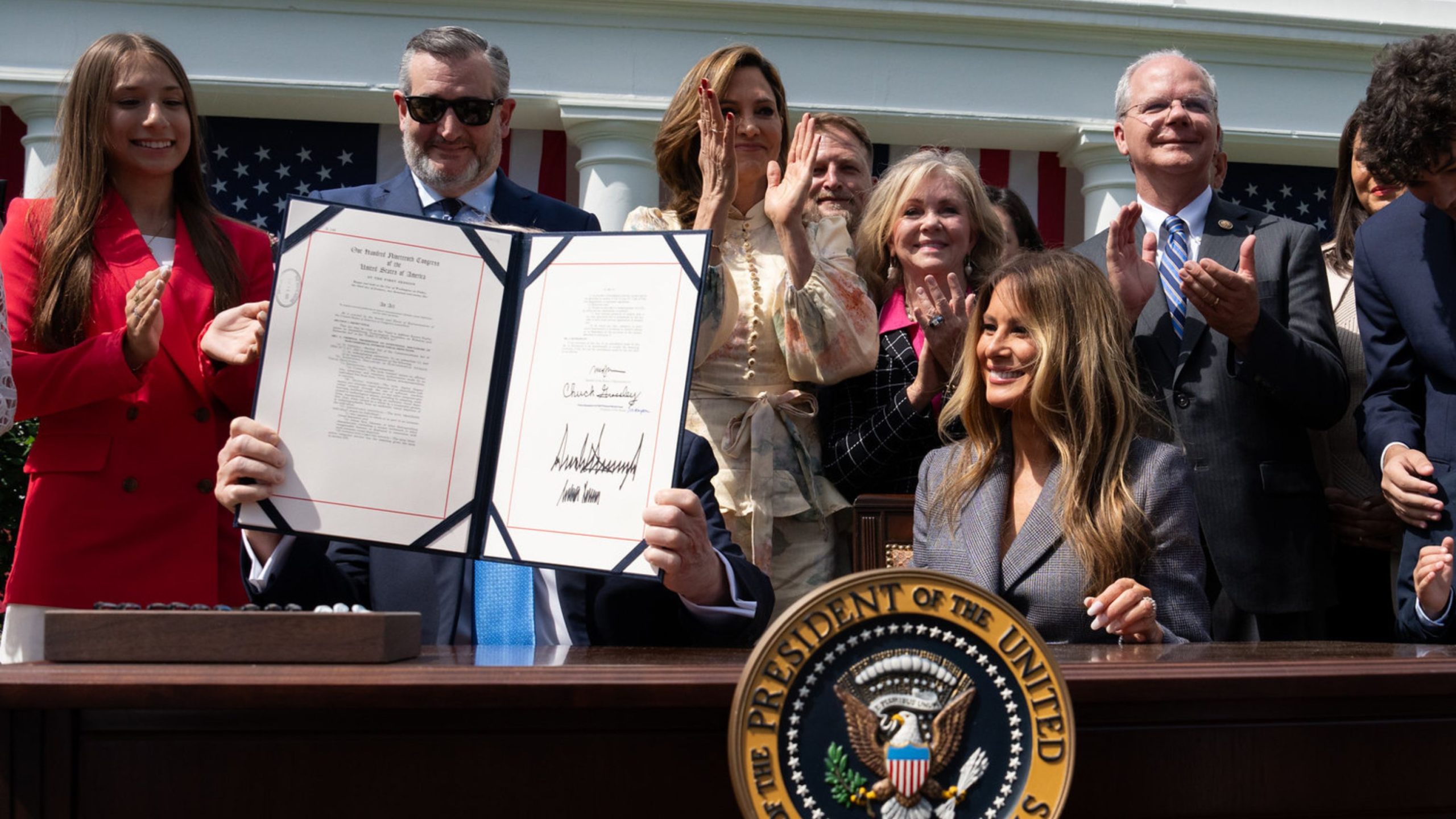
Trump Signs Take It Down Act
A law signed with ceremony and bipartisan applause, but built on the same brittle scaffolding that once turned copyright into…
-
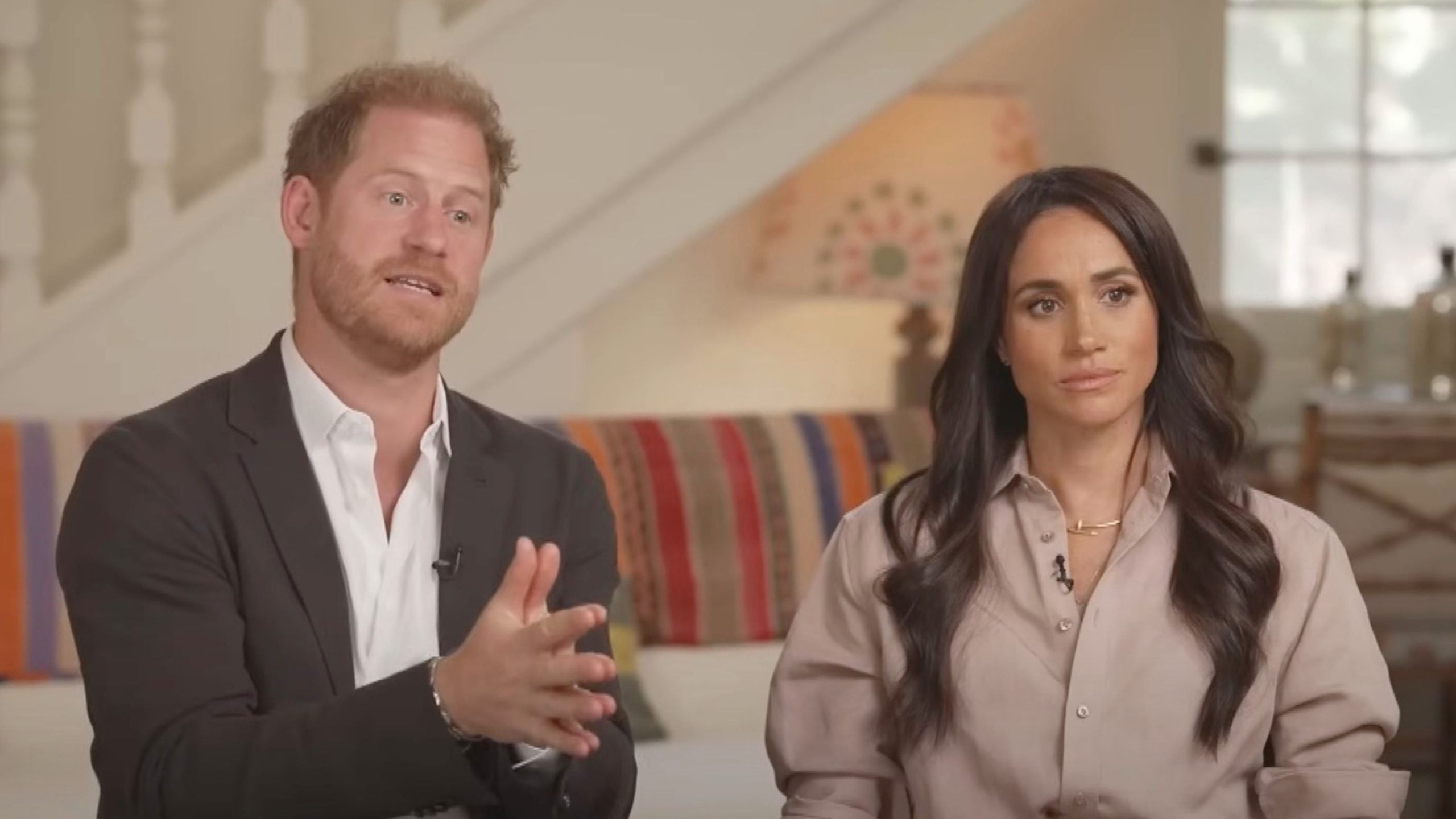
Prince Harry and Meghan Markle Push For Controversial Online “Safety” Legislation
Framed as guardians of digital childhoods, Harry and Meghan are backing a movement that risks baking censorship into the architecture…
-
House Overwhelmingly Passes “Take It Down Act” Mandating Rapid Online Deepfake, Non-Consensual Imagery Takedowns
A law built to scrub AI nudes from the internet might also be used as a no-questions-asked censorship mechanism.
-
TAKE IT DOWN Act Advances in House Despite Major Censorship Concerns
A bill with bipartisan shine and a name fit for a blockbuster masks a blank check for online erasure.
-
Lawmakers Clash Over KOSA and TAKE IT DOWN Act as Digital Rights Advocates Warn of Censorship
Lawmakers push child safety laws that could gut online anonymity.
-
The Take It Down Act: A Censorship Weapon Disguised as Protection
A shoot-first-ask-questions-later censorship mechanism with no recourse.
-
TAKE IT DOWN Act: A Trojan Horse for Online Censorship?
The bill’s broad wording could erode free speech and endanger encrypted platforms.