
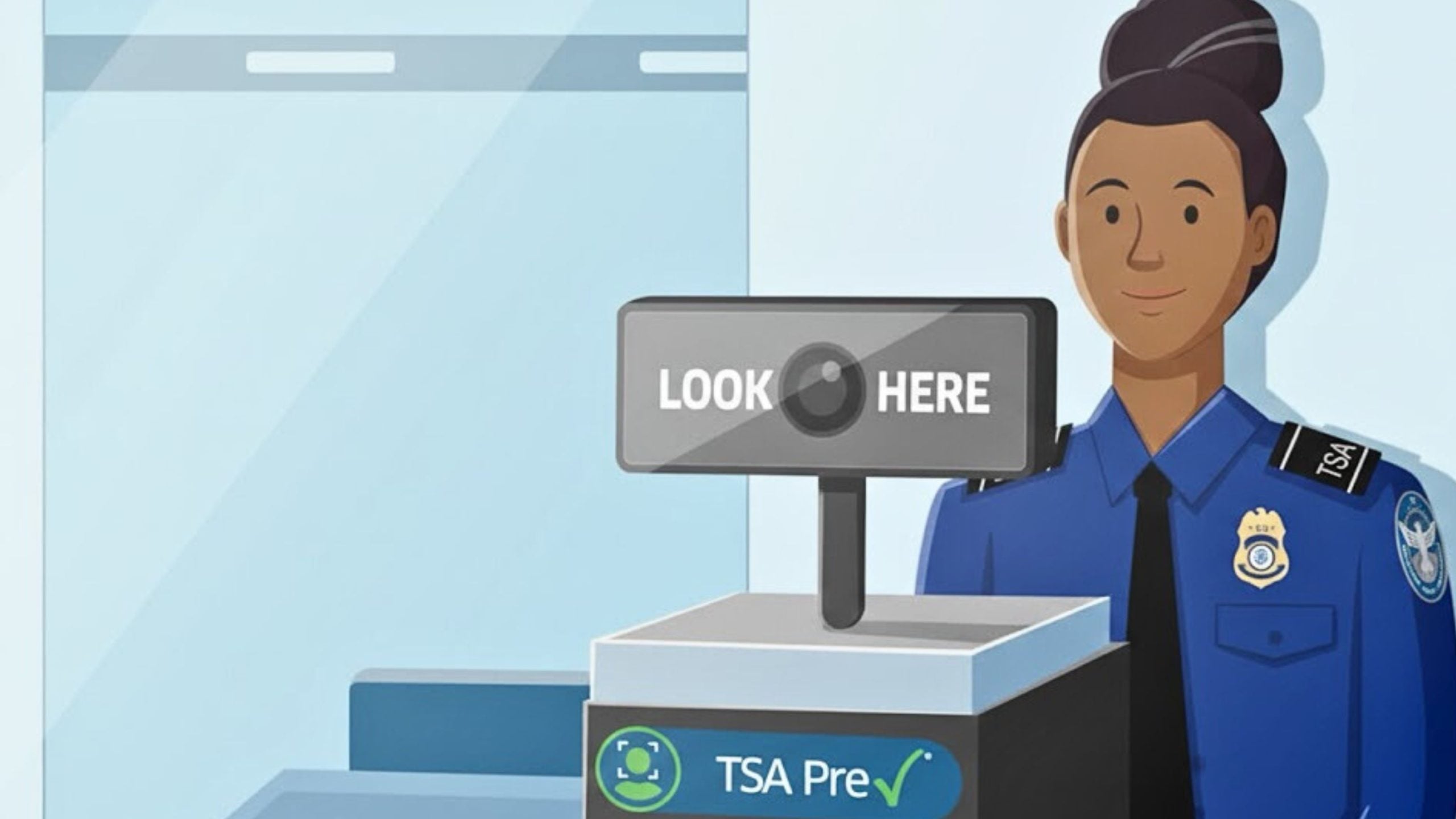
The Transportation Security Administration is reshaping how it verifies the identities of US air travelers, proposing a major update that merges biometric data, mobile credentials, and government authentication platforms into one expanded framework.
Published in the Federal Register, the notice outlines a new form of digital identification, the MyTSA PreCheck ID, which would extend the agency’s existing PreCheck program into a mobile environment requiring more detailed data from participants.
More: TSA Fast Track Programs Are a Deal With The Devil
Under the plan, travelers who want to activate the new digital ID on their phones would have to provide additional biographic and biometric details such as fingerprints and facial imagery, along with the information already collected for PreCheck enrollment.
The proposal appears alongside TSA’s recently finalized ConfirmID program, a separate fee-based service designed for passengers who arrive at checkpoints without a REAL ID or another approved credential.
More: A $45 Fee and Three Ways to Lose Your Privacy Before You Fly
TSA is seeking approval from the Office of Management and Budget to revise its public data collection process for trusted traveler programs.
The public comment window remains open until March 16. According to the agency, the updates would align PreCheck enrollment with a “modernized” identity infrastructure, consolidating personal and biometric data under a more unified system.
Travelers applying for or renewing PreCheck would continue to provide core information such as name, date of birth, and citizenship status, but the new system would further integrate fingerprints and facial data into DHS databases for continuous identity verification.
TSA said these biometrics will be compared with FBI records through the Next Generation Identification system, with ongoing checks conducted under the FBI’s Rap Back service for as long as individuals remain active in the program.
In addition, biometric data would feed into DHS’s Automated Biometric Identification System, a database that supports continuous vetting and identity confirmation at airport security points.
Alongside the new mobile ID, TSA is introducing a Customer Service Portal to centralize how travelers manage their program details.
Users would log in through Login.gov, the government’s shared authentication service, to upload documents, change preferences, or opt in and out of certain features.
The agency also detailed a cooperative arrangement with U.S. Customs and Border Protection that would allow PreCheck data, both biographic and biometric, to be reused for Global Entry processing if travelers choose to participate.
The TSA says this would cut down on duplication across trusted traveler programs.
Over the next three years, TSA projects it will process data from more than 25 million people, representing roughly 4.7 million annual administrative hours. Enrollment and renewal fees will stay consistent: $80 for a new application, $70 for online renewals, and $75 for in-person renewals.
Meanwhile, the updated ConfirmID program is set to begin on February 1. It offers passengers a way to verify their identity for $45 if they reach a checkpoint without proper identification. The process can be initiated online before arriving at the airport.
“TSA ConfirmID will be an option for travelers that do not bring a REAL ID or other acceptable form of ID to the TSA checkpoint and still want to fly,” said Adam Stahl, the senior official performing the duties of TSA deputy administrator. He added that the fee structure is meant to discourage travelers from arriving unprepared while ensuring they can still complete their journey.
While TSA presents these changes as a modernization effort, the combination of mobile credentials, biometric retention, and expanded data sharing signals a gradual move toward a more centralized identity model.
Travelers are being encouraged to exchange increasing amounts of personal and biological information for convenience at the checkpoint, a tradeoff that continues to reshape what “voluntary” participation means in the context of air travel security.