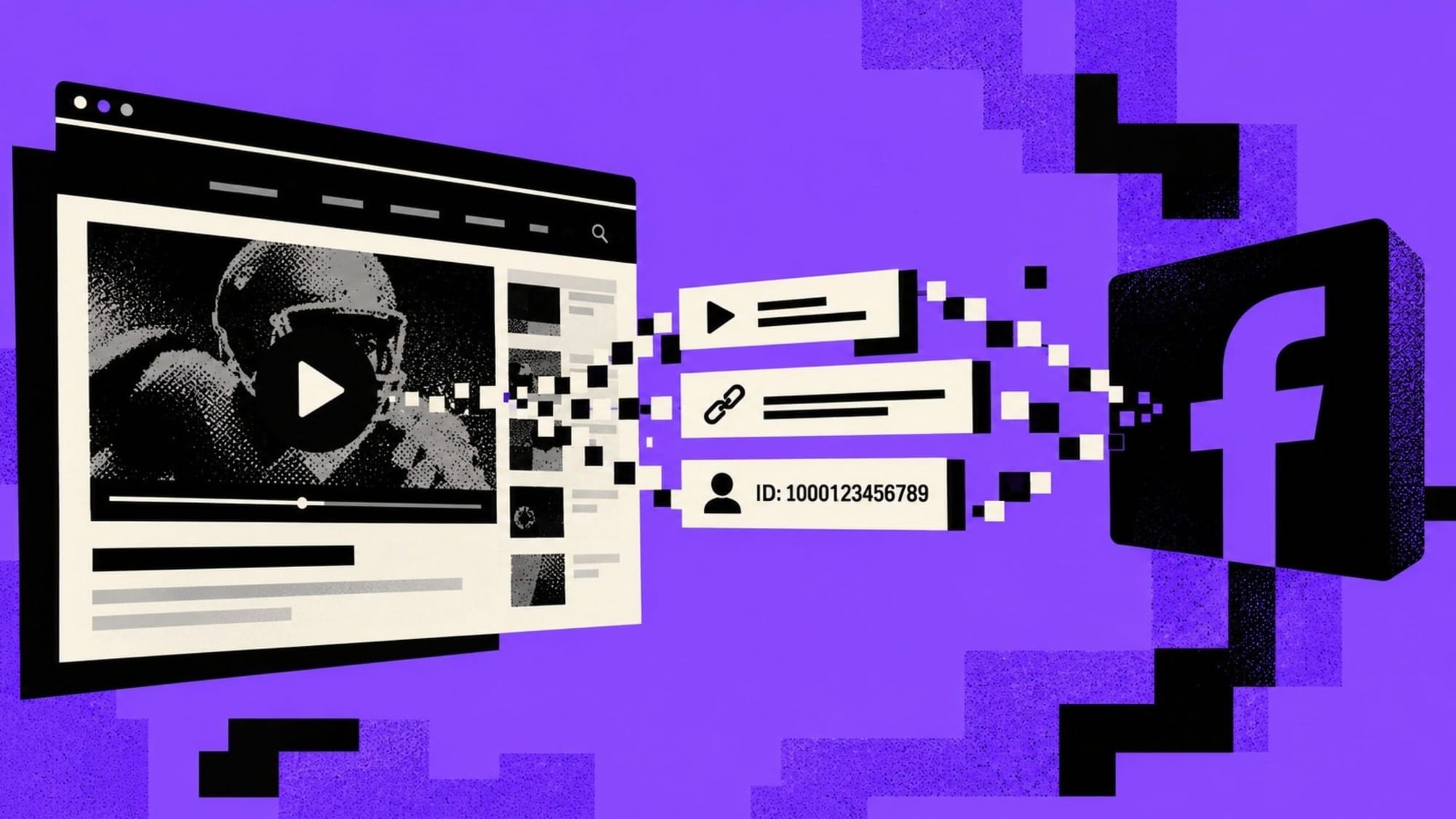
Every social media account in Turkey is about to be tied to a government-issued identity number. Justice Minister Akın Gürlek announced on April 3 that global platforms have agreed to the system and that a three-month transition begins once legislation passes parliament. Accounts that remain unverified get shut down.
“Social media will now be accessed with real information and personal identity. We have reached an agreement with social media platforms,” Gürlek said. He didn’t name which companies signed on.
The plan requires users to submit their TC Kimlik number, the unique 11-digit identifier assigned to every Turkish citizen from birth, linked to government databases containing names, birth dates, family records, and biometric data. Gürlek framed anonymous accounts as engines of disinformation and harassment. “If someone insults others or carries out a smear campaign online, they must face the consequences,” he said.
The official justification doesn’t survive contact with Turkey’s own record. Cybersecurity specialists have pointed out that IP addresses and internet access logs already let authorities trace anonymous users. The government doesn’t need your national ID on every post. It needs you to know it’s there.
Turkey has blocked over 1.26 million websites since 2007. In 2024 alone, authorities restricted approximately 17,000 X accounts, 75,000 posts, and tens of thousands of items across YouTube, Facebook, and Instagram.
Citizens giving brief street interviews to independent media have been detained after clips circulated online. Article 217 of the Penal Code carries prison sentences of up to three years for spreading information deemed misleading, with penalties increasing for anonymous posts. Anonymous accounts were one of the last spaces where Turkish citizens could voice political opinions without immediately identifying themselves.
The regulation also only applies inside Turkey. Foreign-operated accounts face no verification, meaning disinformation networks with offshore resources continue anonymously while ordinary Turkish users lose that option.
South Korea tried a nearly identical real-name system in 2007. Its Constitutional Court struck it down unanimously in 2012, finding no meaningful reduction in harmful content while the real-name databases became targets for massive breaches affecting 35 million citizens. Users simply migrated to foreign platforms.
Turkey’s system faces the same vulnerabilities, with one key difference: its judiciary has moved in the opposite direction, upholding laws that penalize online speech.
Gürlek called social media “definitely not a space for freedom.” The system he’s building proves it.