The British government has made up its mind and it would quite like people to believe it hasn’t. A consultation on whether to restrict social media for under-16s is currently underway. Submissions remain open until May 26. Tens of thousands of parents and children have already filled in their views.
However, on Monday night, after 11 PM, an education minister stood up in the Commons and announced what the answer is going to be.
This is, by any reasonable definition, not how consultations are meant to work.
More: The Age Verification Con
Education Minister Olivia Bailey told MPs the government “will impose some form of age or functionality restrictions” on social media for under-16s.
Whatever the consultation says, whatever the public submits, whatever the evidence reveals, the mechanism is up for discussion. The fact of it is not.
“On the remaining question on access to social media, we have listened carefully to the concerns raised across both Houses about the importance of the Government acting swiftly once the consultation has concluded,” Bailey said, performing the parliamentary ritual of pretending you’ve been persuaded by the people you’ve already agreed with.
“The Government has said repeatedly that it is a question of how we act, not if, but to put beyond any doubt, we are playing a clear statutory requirement that the Secretary of State must, rather than may, act following the consultation.”
She went on. “Let us be clear, the status quo cannot continue.” And then, removing any remaining doubt about whether your submission to the consultation might actually achieve anything, she added: “We are consulting on the mechanism, and that is the right thing to do. But we are clear that under any outcome, we will impose some form of age or functionality restrictions for children under 16.”
Curfews, by the way, are still very much on the menu. Bailey confirmed that “consideration of restrictions such as curfews will be in addition, not instead of this.”
This is a way of saying that even if you’ve been writing to the consultation explaining why a digital curfew for British teenagers feels less like child protection and more like a Black Mirror episode pitched by a government think tank, the curfew option survives anyway. Possibly alongside the other options. Possibly stacked on top.
The choreography continued the next morning. Technology Secretary Liz Kendall told the Press Association, “It’s not a question of whether we act, but how.” Education Secretary Bridget Phillipson, doing the LBC breakfast slot with Nick Ferrari, deployed the same script almost word-for-word. “The question is not whether we take action to keep young people safe, it’s the question of what that looks like.”
She also informed the country that she remains “open-minded” about the specifics.
Kendall plans to bring proposals before summer and legislate by the end of 2026. The pace is brisk and the destination feels fixed.
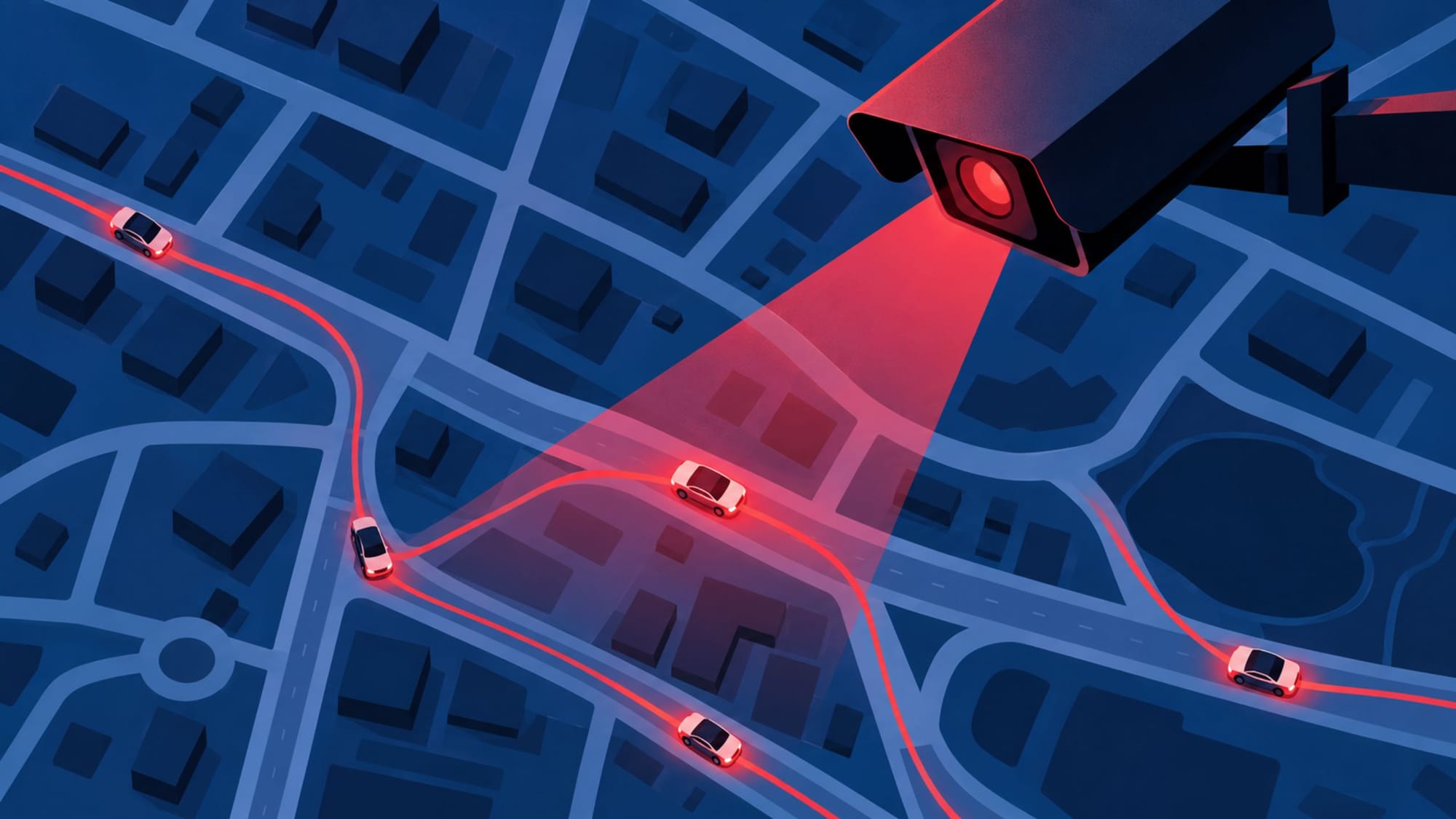
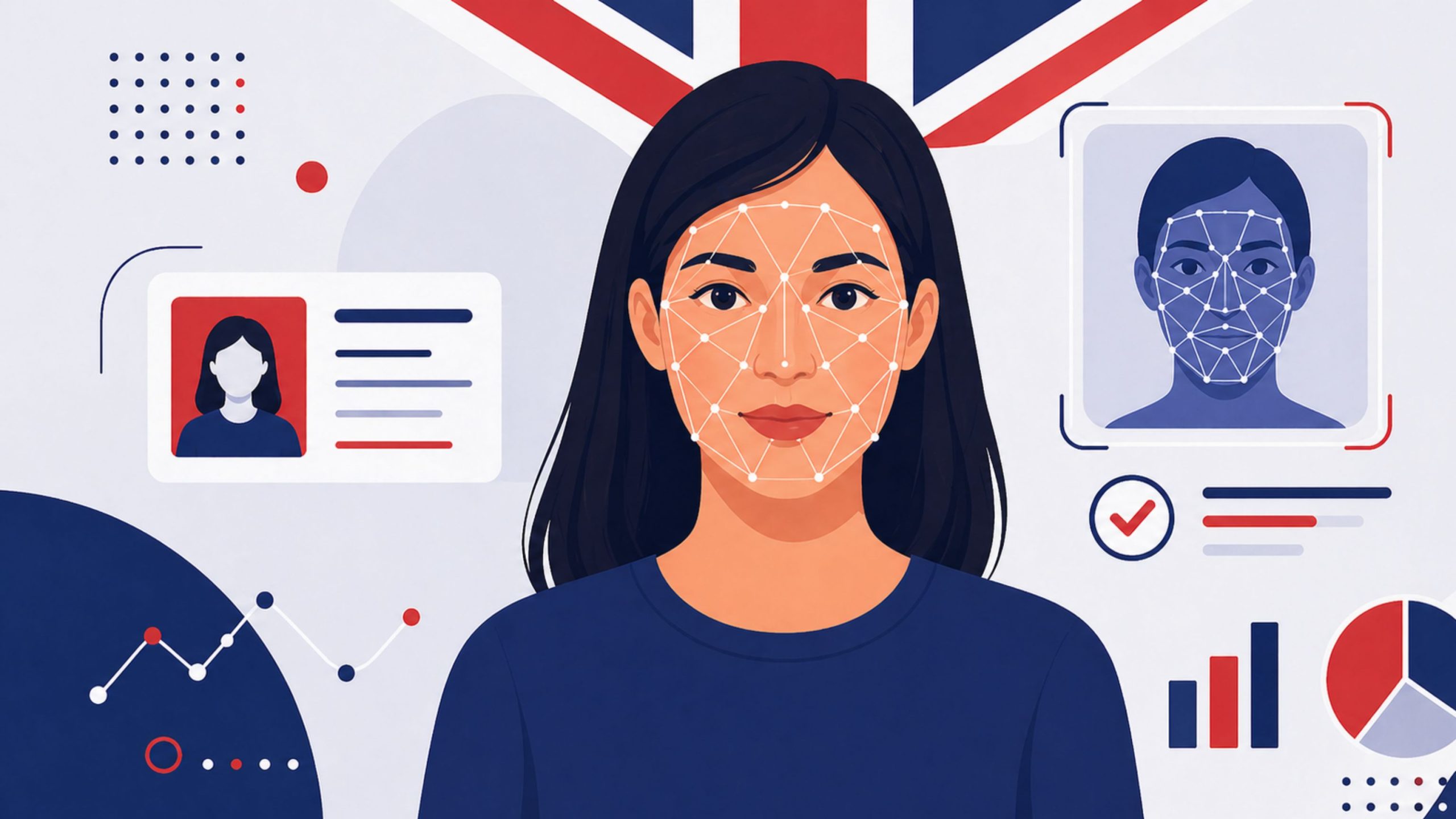
Now, here is the thing that nobody on the front benches seems particularly keen to talk about. To stop a 15-year-old from logging into Instagram, you have to know who isn’t 15. This means everyone has to prove it.
The infrastructure for a child-protection law and the infrastructure for nationwide identity surveillance are, awkwardly for ministers, the exact same infrastructure.
Add curfews and it gets worse. A digital curfew that stops under-16s scrolling at midnight requires the platform to know, at midnight, who is under 16. This means continuous verification, which means continuous data, which means somewhere, perhaps on somebody’s server, a record of who you are, what you were doing online, and at what hour.
This is the small print the government would prefer you didn’t read.
Baroness Fox, the crossbench peer, did read it. She warned last week that “Normalizing censorship in the name of ‘safetyism’ is dangerous” and pointed out that powers granted in the name of children rarely stay there. “It could extend beyond 16… beyond 18,” she said. “Who decides what is harmful?”
The bill in its current form has an answer. The Secretary of State for Science, Innovation and Technology decides. That’s it. The Children’s Wellbeing and Schools Bill hands the minister authority to determine what gets restricted, for whom, and when, without having to demonstrate specific harms.
Ofcom, the regulator that has spent years building a framework under the Online Safety Act censorship law, gets stepped around. The detail moves from an independent body to a government office.
Meanwhile, Meta’s UK Director of Public Policy told a parliamentary committee last week that the Australian model the government keeps gesturing at demonstrates that blanket social media bans don’t actually work.
The Prime Minister set the mood earlier this month, hauling tech executives from X, Meta, Snap, TikTok and Google into Downing Street for a dressing-down. “Things can’t go on like this, they must change because right now social media is putting our children at risk,” Keir Starmer told them. He then offered the bargain in its purest form. “In a world in which children are protected, even if that means access is restricted, that is preferable to a world where harm is the price of participation.”
It’s a tidy line but it treats access and harm as the only two variables in the equation, while quietly removing privacy, surveillance, and adult freedom from the workings entirely. The access being restricted, of course, belongs to everyone. The verification cost is paid by every adult who wants to use a website. The data generated by all of this won’t politely delete itself the moment a teenager turns 17.
People have until May 26 to send in their views. The government has already told everyone what they’re worth.