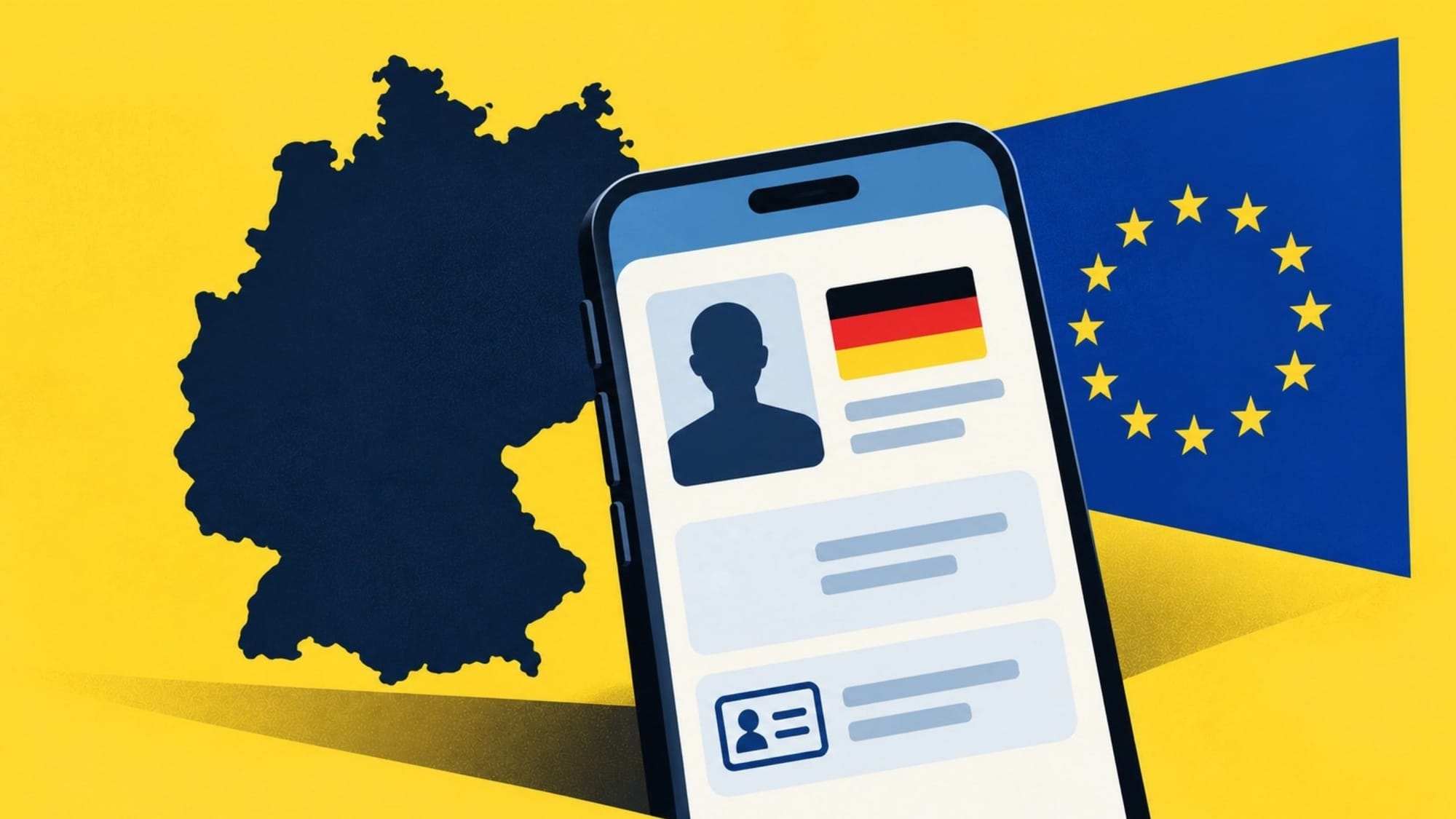
The WHO, its Alliance for Health Policy and Systems Research, and the Singapore-based Temasek Foundation have launched a three-year program to replace paper health records across Southeast Asia with digital health wallets.
The stated purpose is to give people portable, verified access to their medical information. But this is the same WHO that spent the COVID pandemic building a global censorship apparatus with Silicon Valley, pushing vaccine passport systems that restricted citizens’ freedom of movement, and amplifying Chinese authorities while demanding the power to police everyone else’s speech.
The organization now wants to be trusted with the digital health records of hundreds of millions of people across ASEAN.
The program targets ASEAN member states, moving them from paper-based records like vaccination Yellow Cards and child health booklets to cryptographically verified digital wallets processed through WHO’s Global Digital Health Certification Network (GDHCN).
Countries will start with digital vaccination certificates, then expand into routine immunization records, maternal and child health data, and eventually broader personal health summaries. Each phase widens the scope of what gets digitized, collected, and made verifiable across systems and borders.
Mr Kee Kirk Chuen, Head of Health & Well-being at the Temasek Foundation, said, “The COVID-19 pandemic showed how important it is for health records to be trusted, verifiable and able to travel with people across borders.”
He added, “Through our partnership with WHO, the Temasek Foundation hopes to support countries in moving from fragmented paper records to secure Digital Health Wallets that individuals can carry with them wherever they go. By testing this approach in pilot ASEAN Member States, we aim to demonstrate how trusted digital tools can strengthen health systems, improve continuity of care – including for families and children – and build the local capabilities needed for governments to scale these systems nationally. If successful, this effort can help turn global digital health standards into practical solutions that benefit communities across the region.”
The GDHCN that underpins these wallets isn’t new technology built for a new purpose. The WHO adopted the European Union’s digital COVID vaccine passport framework to create this global network of digital health certificates. The EU’s COVID certificate system was issued to over 2.3 billion people and became the backbone of a checkpoint society that conditioned basic freedoms, from entering a restaurant to boarding a flight, on vaccination status.
That system is now being repurposed and expanded well beyond its original scope into a permanent platform for digitizing all personal health information. What started as emergency pandemic infrastructure is becoming the default architecture for how governments manage their citizens’ health data.
The WHO’s record as custodian of this kind of power deserves serious scrutiny. During the pandemic, the WHO partnered with YouTube, Facebook, Wikipedia, and other platforms to censor or label COVID-19 content it deemed “misinformation.” YouTube alone deleted over 800,000 videos for contradicting the WHO.
Many of those deletions targeted content that turned out to be accurate, including claims about vaccinated people being able to transmit COVID and the possibility that the virus leaked from a laboratory.
The WHO’s post-pandemic posture has done nothing to rebuild trust. A senior WHO official, Andy Pattison, has publicly advocated for a permanent partnership between global health authorities and major tech platforms, proposing what he called “a health online collective” designed to replicate COVID-era levels of corporate cooperation on a constant, institutional basis. The stated goal isn’t merely distributing information.
Pattison acknowledged that “the actual proof of the pudding…is actually behavior change,” making clear that the WHO’s metric for success is influence over people’s decisions, not just visibility. This is the organization now asking ASEAN nations to hand over their populations’ health data to a system it controls.