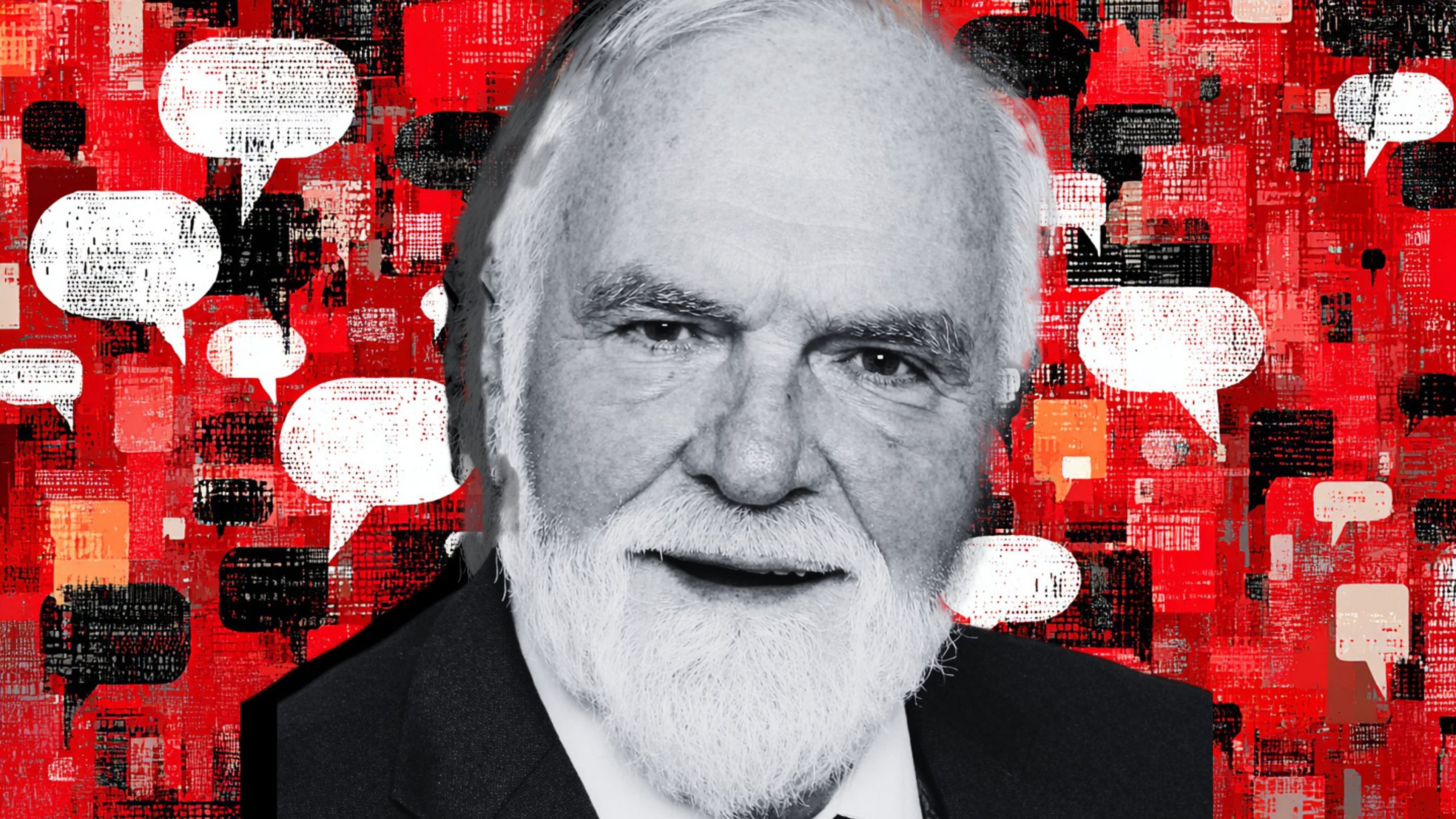
A British Columbia tribunal has ordered a former school trustee to pay $750,000 for saying things about gender ideology that the body deemed “hate speech.”
We obtained a copy of the decision for you here.
Barry Neufeld, who served on the Chilliwack school board, now faces a financial penalty most individuals could never satisfy, for comments made in social media posts, board meetings, and public rallies over a five-year period.
The tribunal called 24 of his 30 reviewed “publications” merely discriminatory. Six crossed into what it labelled “hate speech.”
“Hate speech” under section 13 of the B.C. Human Rights Code means speech “likely to expose a person or a group or class of persons to hatred or contempt” because of a protected characteristic. The tribunal gets to decide which speech crosses that line. No jury. No criminal standard of proof. A quasi-judicial administrative body makes that call, then attaches a $750,000 price tag.
Neufeld’s statements were blunt. He called “gender-affirming support” for trans children “child abuse.”
He labeled SOGI 123 (a sexual orientation and gender identity education program) a “weapon of propaganda” to instruct children in the “absurd theory that gender is not biologically determined, but a social construct.”
He described himself as “thrown into the role of a prophet: speaking out to the lawmakers in Victoria and trying to motivate lukewarm Christians who are sitting idly by as all of society ‘slouches towards Gomorrah.'”
These are the statements of someone angry about a government education policy. Whether they constitute a legal category of expression serious enough to warrant $750,000 in damages in a nation that says it supports free speech is a different question.
The tribunal answered yes.
“The tribunal found me guilty of hate speech for refusing to agree that there are more than two genders and ordered me to pay $750,000 to the Chilliwack Teachers’ Association to compensate the hurt feelings of their queer union members,” Neufeld wrote in his own statement after the decision. “I am sure they know I can never begin to pay this, but it sets a precedent, and in the future, no one else will ever dare to criticize their sacred gender ideology. So I must try to overturn this draconian decision.”
“No one else will ever dare.” That’s the chilling effect, described plainly by the man experiencing it.
The $750,000 order doesn’t need to be collected to function as a warning against airing opinions. It just needs to exist. Any elected official, parent, or teacher who might share Neufeld’s views now knows what voicing them could cost.
His lawyer, James Kitchen, announced they would seek “a judicial review” of the tribunal’s decision at the B.C. Supreme Court, which is where this gets interesting. A judicial review won’t rehear the evidence, but it will examine whether the tribunal applied the law correctly. That’s a meaningful check on a process that, as it stands, allows an administrative body to declare someone’s political speech illegal and bill them $750,000 for it without a criminal conviction.
B.C. Human Rights Commissioner Kasari Govender, who intervened in the case, praised the outcome. “Publishing statements that deny trans identities and rely on stereotypes create significant harm. When a political opinion comes from a person in power such as an elected official, it may be perceived by the public as having greater weight than the views of the average person,” she said.
That argument suggests elected officials have less latitude to express political opinions than private citizens, because their speech carries more weight. The logic runs directly against the reason we have free expression protections for public officials in the first place.
Robust democracy requires elected representatives to be able say things that are controversial so that citizens can decide whether or not to vote for them or support them. Penalizing them more harshly for doing so doesn’t protect democratic participation. It taxes it.