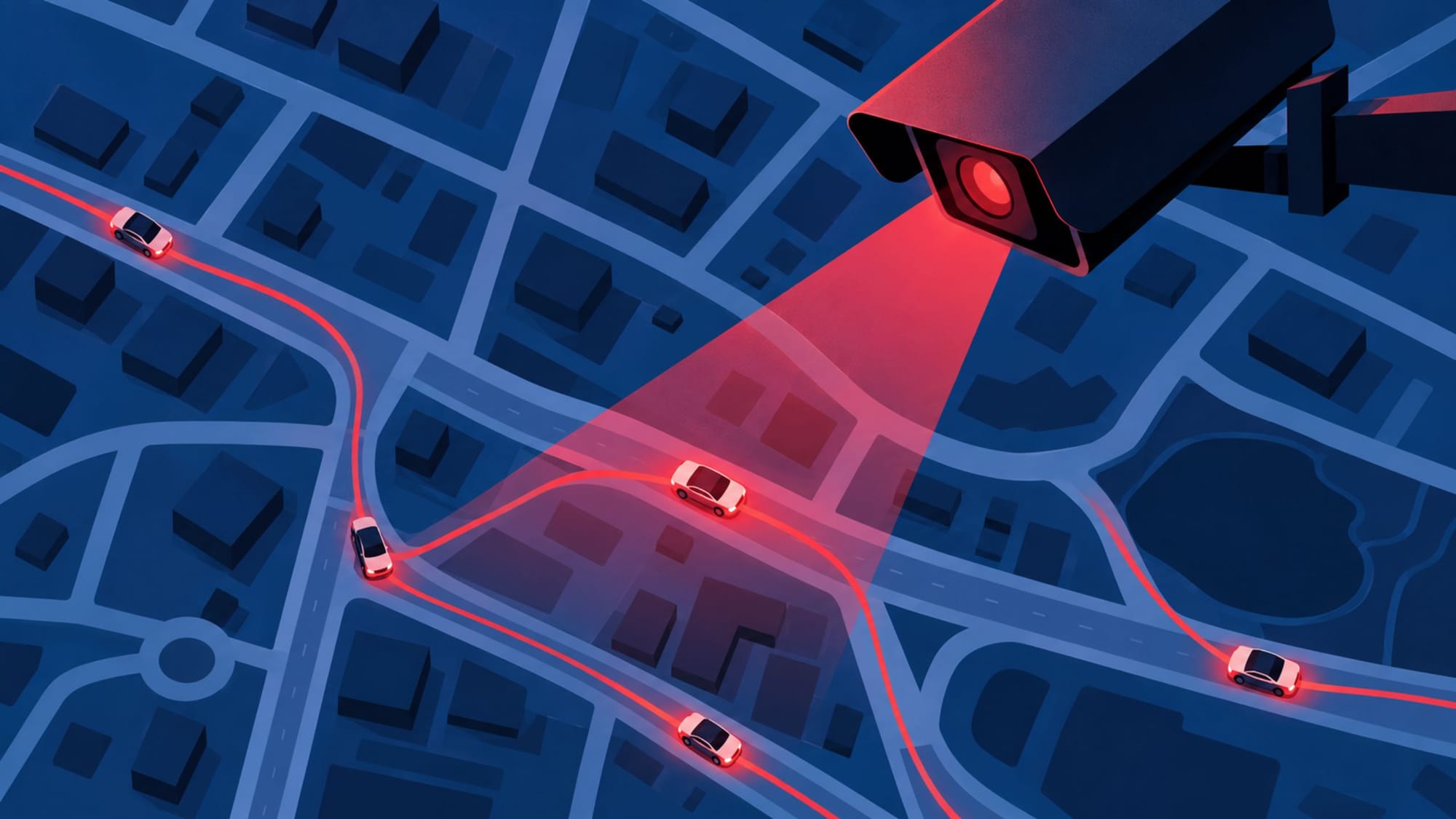

Florida's wildlife regulators found a use for a police database that has nothing to do with policing. They ran the personal files of the people who speak against them.
The Fish and Wildlife Conservation Commission reached into DAVID, the state's Driver and Vehicle Information Database, to pull records on more than a dozen environmental activists who had opposed the agency.
The Orlando Sentinel and Miami Herald first reported the searches, citing state documents. DAVID is not an open registry. It holds Social Security numbers, home addresses, signatures, driver's license photos, emergency contacts, and medical and disability notations, and state law hands the keys to law enforcement for official use only. Florida lawmakers raised the penalties for abusing that access in 2021.
Searches landed days after someone posted online or stood at a commission meeting to oppose a bear hunt or a road cut through protected land. Many were filed under "criminal investigation," a label that would mean more if the agency could name a crime, which it hasn't. The FWC acknowledges there are no active criminal cases against the people it searched.
Looking up someone's home address and Social Security number right after they exercise their right to speak is the sort of thing the First Amendment was written to prevent.
Katrina Shadix runs Bear Warriors United, has fought the state's bear hunts for years, and sued over a manatee die-off. Her record was accessed 17 times between 2023 and 2025. "After a decade of fighting their corruption, they've dug their own hole!" she said. Brent Fannin, who made a documentary faulting the agency's treatment of gopher tortoises, had his file pulled seven times across April and June of last year by two FWC employees. Chuck O'Neal of Speak Up Wekiva drew more searches than anyone. "I think they wanted to find something embarrassing to discredit me," he said.
The logs caught others. Valerie Anderson of Friends of Split Oak Forest landed there after fighting a toll road. So did Rhonda Roff of the Sierra Club's Calusa chapter, a local podcaster, and an elected Republican property appraiser who is preparing a civil rights suit. "This shows what a bunch of bullies they are. Bullies are always scaredy cats," Roff said.
The commission's chair, Rodney Barreto, waved the whole thing off. "When people sign up to speak, their names are checked. That's all," he said. That would be a tidier explanation if a name check required someone's Social Security number and medical history, which it does not. Pulling a full DAVID file to confirm who is holding the microphone is like photographing a passport to see whether a guest is on the list.
The agency says it broke no rules. Spokesperson Shannon Knowles argued the reporting distorted the work of the FWC's law enforcement division and said: "claims that the FWC misuses or weaponizes its law enforcement authority are false." The commission cites threats against officers and commissioners during heated bear hunt debates as the reason for its watchfulness. It has declined to produce evidence of any specific threat tied to the people whose records it pulled.
The Driver's Privacy Protection Act limits who can reach into motor vehicle records and lets people sue when the line is crossed. Several of those named are already talking to attorneys, and at least one has a suit in the works. State Sen. Ed Hooper has said that if the agency broke the law, there should be consequences.